
Thailand warns five Mae Sai subdistricts over arsenic in Sai River
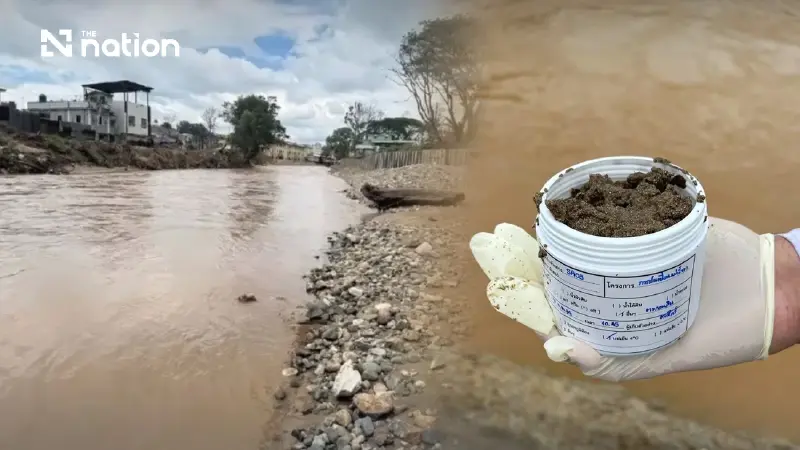


Mae Sai residents in Chiang Rai are urged to use safe water and avoid catching aquatic animals from the Sai River for food after arsenic contamination was found.
- Thailand's Department of Disease Control has warned five subdistricts in Mae Sai about arsenic and heavy metal contamination found in the Sai River.
- Residents are urged to immediately stop using water from the river for drinking, cooking, or making ice.
- The public is also advised to avoid catching and consuming aquatic animals from the river due to the health risks posed by arsenic exposure.
- Authorities recommend switching to safe water sources, such as bottled or quality-checked tap water, and monitoring official announcements.
The Department of Disease Control, under Thailand’s Ministry of Public Health, has expressed concern for residents of Mae Sai district in Chiang Rai after arsenic and heavy metals were found above standard levels in water at certain locations.
Residents, especially those in the five subdistricts of Mae Sai, Pong Pha, Si Mueang Chum, Wiang Phang Kham and Ko Chang, have been urged to closely follow official announcements, avoid using water taken directly from the Sai River for drinking or cooking, and avoid catching aquatic animals for food.
Dr Montien Kanasawadse, director-general of the Department of Disease Control, said on Thursday (October 8, 2026) that arsenic, which he described as a heavy metal, can contaminate the environment and enter the body through contaminated food or water.

Exposure to large amounts of arsenic or prolonged exposure may affect health, he said.
He urged people to follow the principle, “Know the risks, do not panic, but do not be complacent”, and strictly follow advice from public health agencies.
Following the discovery of arsenic contamination in the Sai River, the Department of Disease Control advised local residents to stop using river water directly and follow these precautions:
- Do not drink water from the Sai River.
- Do not use water from the Sai River for cooking.
- Do not use water from the Sai River to make ice or drinks.
- Avoid catching aquatic animals from the Sai River for food.
- Monitor announcements from Chiang Rai provincial authorities and relevant agencies, and follow their advice strictly.
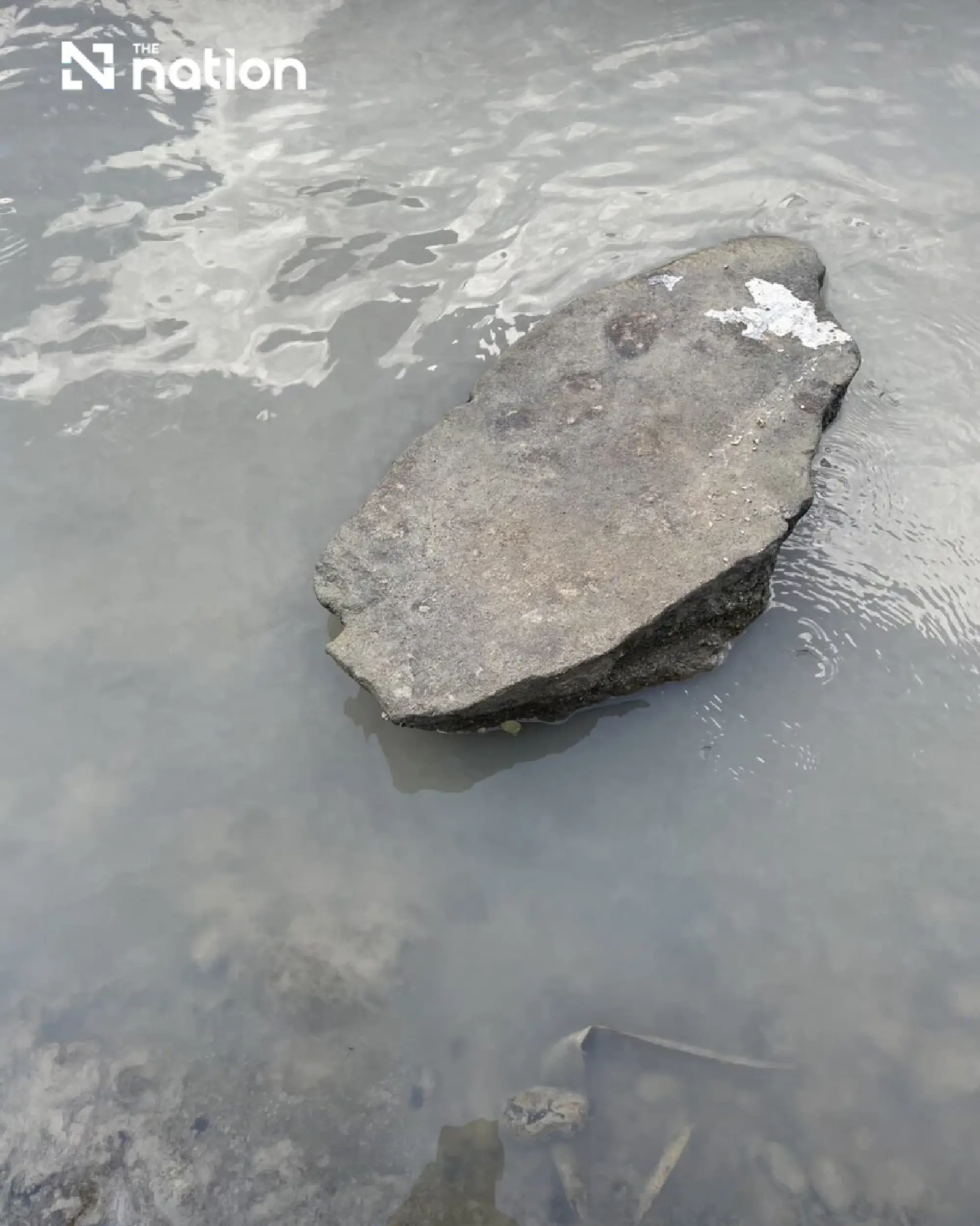

People in at-risk areas urged to stop drinking or using Sai River water
Anyone who has previously drunk or used Sai River water, or who is in an at-risk area, should stop drinking or using that water and switch to safe sources, the Department of Disease Control advised.
Options include bottled drinking water that meets standards, tap water whose quality has already been checked and controlled by local agencies, or water that has been produced and checked for quality in accordance with standards.
The Department of Disease Control advised people working on the Sai River, children, pregnant women, older people, those with underlying medical conditions and vulnerable groups to take particular care.
Those in areas under monitoring should avoid activities that could bring them into contact with the river’s water or allow it to enter their bodies, and use clean water verified as safe for drinking and cooking.
Anyone concerned about possible arsenic exposure from water use in Mae Sai should avoid contact with, or use of, water from sources under monitoring.
Those who develop unusual symptoms or have questions about health effects should consult public health officials or undergo a health assessment as recommended by local agencies.
The Department of Disease Control urged people in areas under monitoring to follow the principle, “Know the risks, do not panic, but do not be complacent”, and closely follow developments and official advice.
