Thai police report 39 scam arrests at October 13 briefing
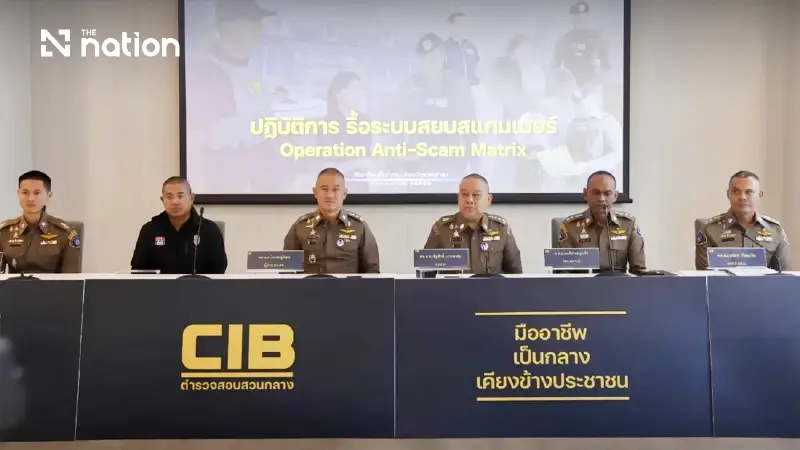


Thai police report over 500 million baht seized after raids on 27 sites in 11 provinces in an alleged investment scam and money-laundering case.
- Thai police arrested 39 suspects (30 Thai, 8 Chinese, and 1 Myanmar national) in a transnational scam and money-laundering case.
- The operation led to the seizure of assets worth more than 500 million baht, including luxury properties, vehicles, and cryptocurrency.
- The suspects allegedly operated a fake stock-trading scheme using a fraudulent app, which defrauded victims of more than 173 million baht.
- The investigation was triggered after authorities identified suspicious financial transfers to Chinese nationals holding Thailand Privilege visas.
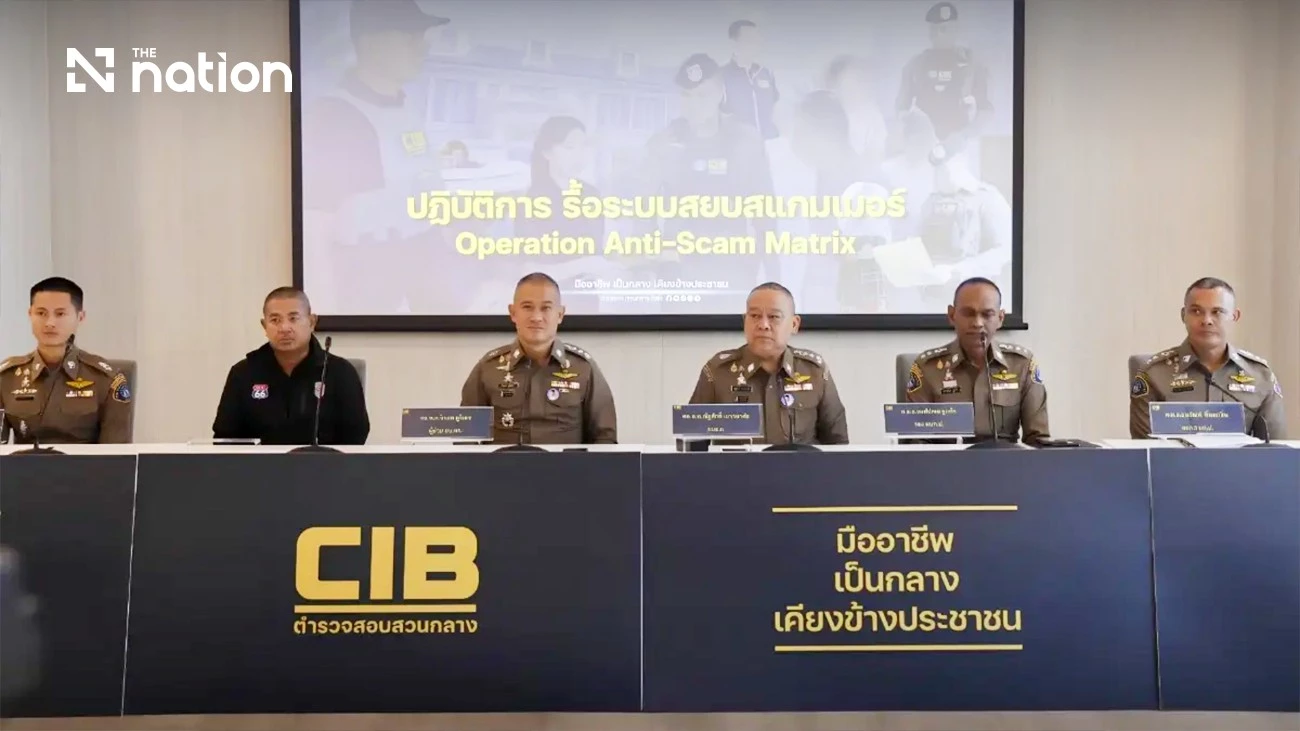
Thailand’s Anti Cyber Scam Center (ACSC) and Central Investigation Bureau (CIB) announced on October 13, 2026, that 39 suspects had been arrested and assets worth more than 500 million baht seized in an alleged transnational scam and money-laundering case. Operation Anti-Scam Matrix involved searches at 27 locations in 11 provinces, police said.
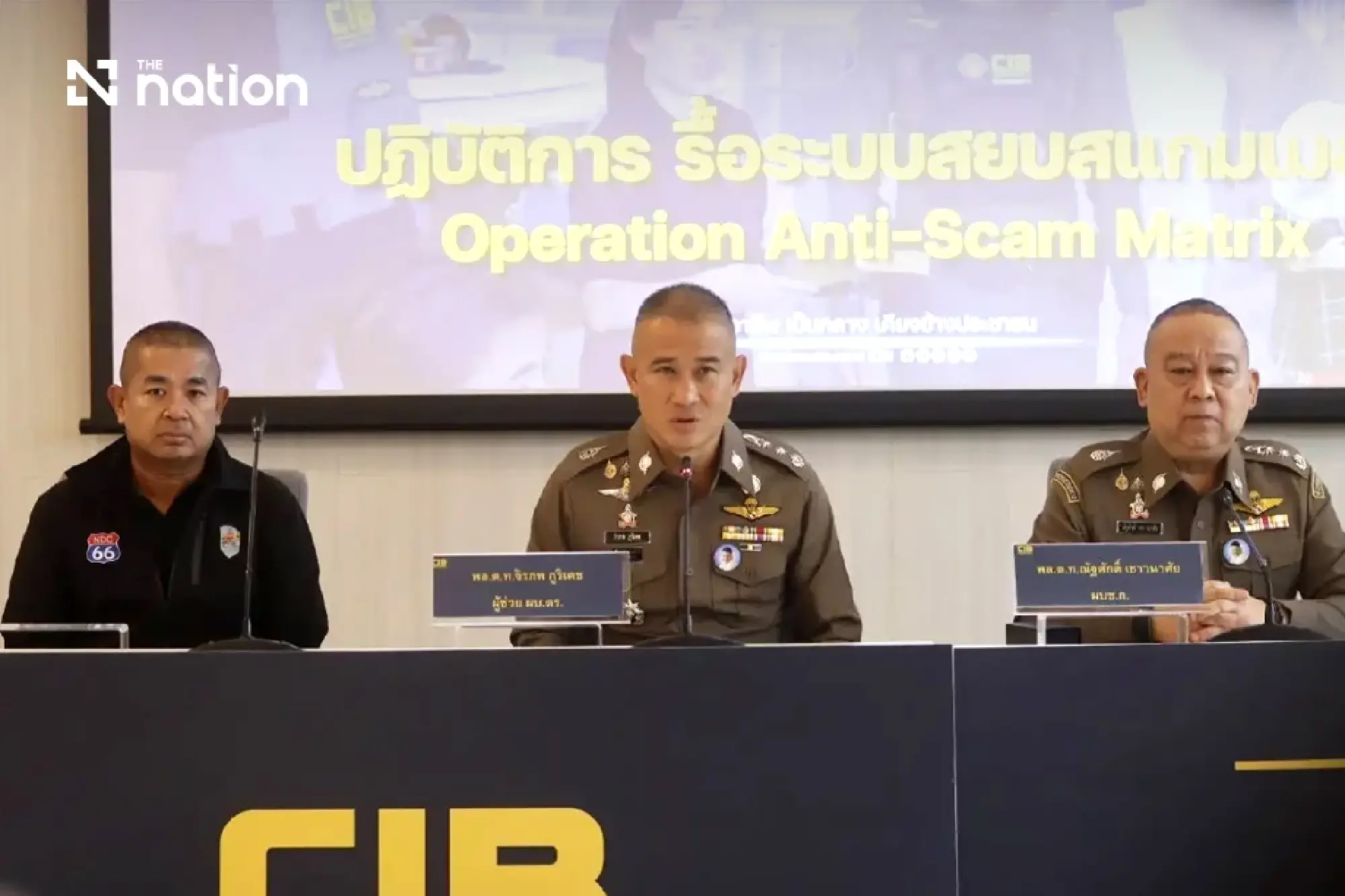
Pol Lt Gen Jirabhop Bhuridej, assistant national police chief and deputy director of the ACSC, outlined the operation alongside CIB commissioner Pol Lt Gen Natthasak Chaowanasai and other officials.
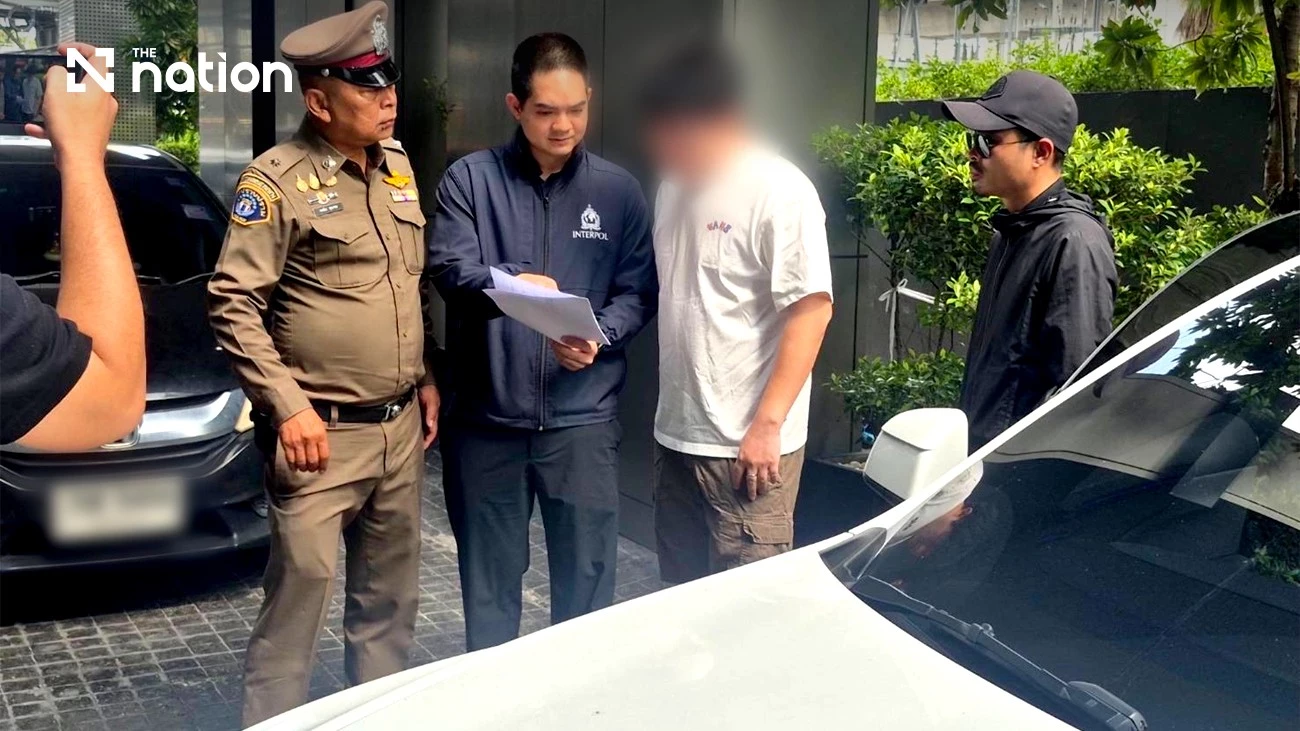
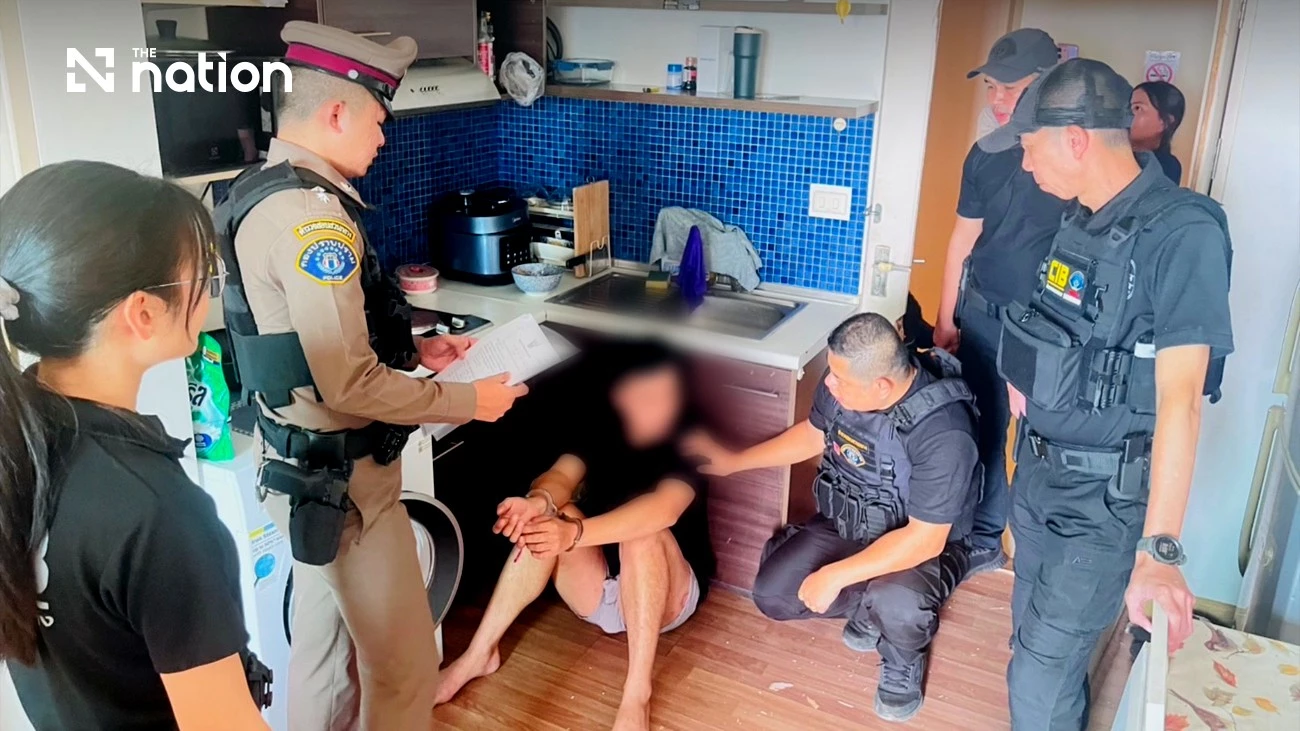
Police arrested 30 Thai nationals, eight Chinese nationals and one Myanmar national under warrants issued by the Criminal Court. The allegations included jointly defrauding the public, impersonation, entering false data into computer systems and jointly laundering money.

Police searched premises in Bangkok, Chiang Mai, Chiang Rai, Samut Prakan, Saraburi, Sing Buri, Nakhon Pathom, Chon Buri, Kalasin, Narathiwat and Ranong.
Among the seizures, police listed eight luxury properties worth more than 330 million baht, land title deeds and condominium units in the Rama IX area worth more than 90 million baht, and luxury residential property in Krungthep Kreetha worth more than 60 million baht.
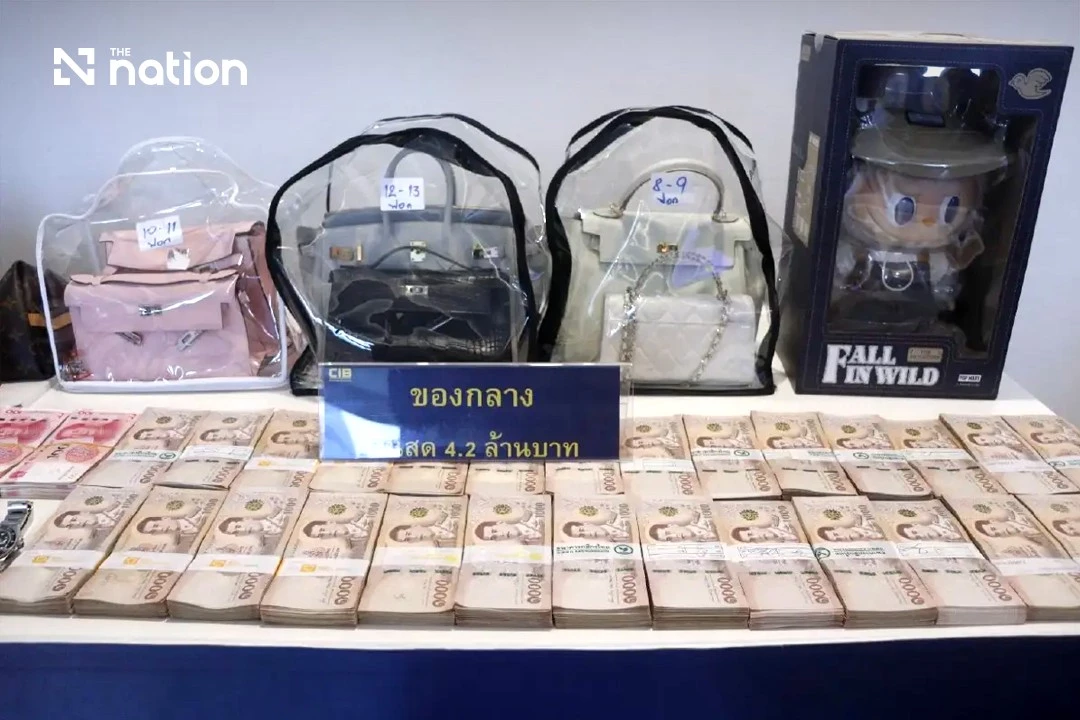
Police also seized 10 luxury vehicles, Thai and foreign currency worth more than 4.2 million baht, Tether (USDT) digital assets, jewellery, luxury watches, designer handbags and other valuables.


Visa checks lead police to alleged stock-trading scam
Jirabhop said ACSC investigators compared the names of Thailand Privilege visa holders with online crime complaints and identified suspicious transfers into accounts held by Chinese visa holders. The accounts had received money from suspected scam operators, prompting the centre to assign the Crime Suppression Division (CSD) to investigate.
Acting Pol Maj Chonkan Buraphaka, an inspector with CSD Subdivision 5, said victims were approached through Facebook with promises of high returns on block-trade stock investments. The targets were brought into Line groups where proxy accounts operated by call-centre scammers promoted the scheme.
Victims of the alleged scheme were directed to a website identified by police as eto-th dot com and told to download ETO TH, which investigators described as a fake trading app. Chonkan said people posing as expert instructors also provided trading lessons.

In the alleged ETO TH scheme, victims transferred money into 13 corporate bank accounts controlled by the network, Chonkan said. Attempts to withdraw profits triggered demands for extra fees, but victims were still unable to withdraw their money after making further payments.
Police reported losses exceeding 26.5 million baht in one example case. Further checks on the 13 corporate accounts identified 74 cases with combined reported losses of more than 173 million baht, according to Chonkan.
Police trace alleged laundering through crypto and property

Pol Lt Col Saran Sripak, deputy superintendent of CSD Subdivision 5, said the alleged network moved money through other bank accounts, cash withdrawals at automated teller machines (ATMs), informal remittance and currency-exchange networks, and payment gateways.
Some suspected proceeds were converted into USDT and transferred to digital wallets with unidentified owners to obscure the financial trail, Saran said.
Blockchain checks indicated that the digital assets were subsequently converted back into baht through legally operating exchanges, according to Saran. He stressed that the exchanges were not involved in the alleged crimes and that the suspects had registered on their platforms to exchange funds.
Saran said the converted funds supported scam operations, including early payments designed to reassure other victims. Money handlers also allegedly withdrew cash for delivery at agreed locations, sometimes handing over several million baht at once, while further funds were used to buy or take long-term leases on luxury properties.
Police said a Chinese suspect, described as a beneficiary of the network, admitted laundering at least 3 billion baht since 2022 for senior partners in a scam centre in Poipet, Cambodia.
Investigators had not established direct financial links between the suspects and those identified as the actual owners or occupants of the luxury properties, police said. Police also described nominee arrangements involving people with no prior acquaintance, and said they were pursuing other suspected participants.
Thailand Privilege screening faces further checks
The ACSC has convened talks with relevant agencies to strengthen Thailand Privilege visa screening and carry out further retrospective checks on all visa recipients, Jirabhop said. He noted that screening procedures had already been in place before the investigation.
Jirabhop said daily losses from online scams had fallen from about 100 million baht to more than 30 million baht during the most recent one to two months, following a year of work by the ACSC. The improvement remained insufficient because new cases continued to emerge, he added.
As the ACSC enters its second year, Jirabhop said the centre is strengthening cooperation with foreign authorities. He attributed growing international confidence in Thailand’s work to transparency and information sharing.
Scam operations in neighbouring countries remained active despite announced crackdowns, Jirabhop said, citing monitoring information. Operators had dispersed from large compounds into commercial buildings, condominiums and private residences to continue their activities.

Police warn against fake investment and flood-relief links
Police urged investors to check companies and financial service providers carefully, particularly whether they held the appropriate licences or approvals from Thailand’s Securities and Exchange Commission (SEC). Investment apps or platforms without the required licence or approval should be treated as untrustworthy and could be fraudulent, officers warned.
Police also warned against accepting payment to open mule bank accounts or allowing others to use their names to register companies, saying those involved could face liability for money laundering.
Fraudsters were exploiting flooding by sending fake links for relief-payment registration, police warned. Officers also cautioned against call-centre scammers who impersonated police and falsely claimed that people were implicated in criminal cases.
Thai police reiterated that officers do not conduct interrogations or check money in bank accounts by telephone or video call.