
PCD’s October 12 results show 114,860 mg/L petroleum hydrocarbons in Prachin Buri water
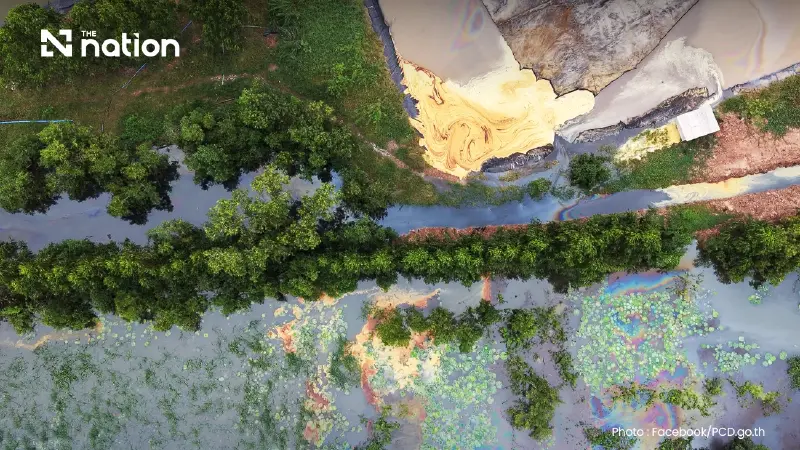


Thailand’s pollution agency plans legal action and sediment checks after water contamination near a Prachin Buri industrial waste landfill.
- Thailand's Pollution Control Department (PCD) confirmed on October 12 that a water sample in Prachin Buri contained 114,860 mg/L of petroleum hydrocarbons.
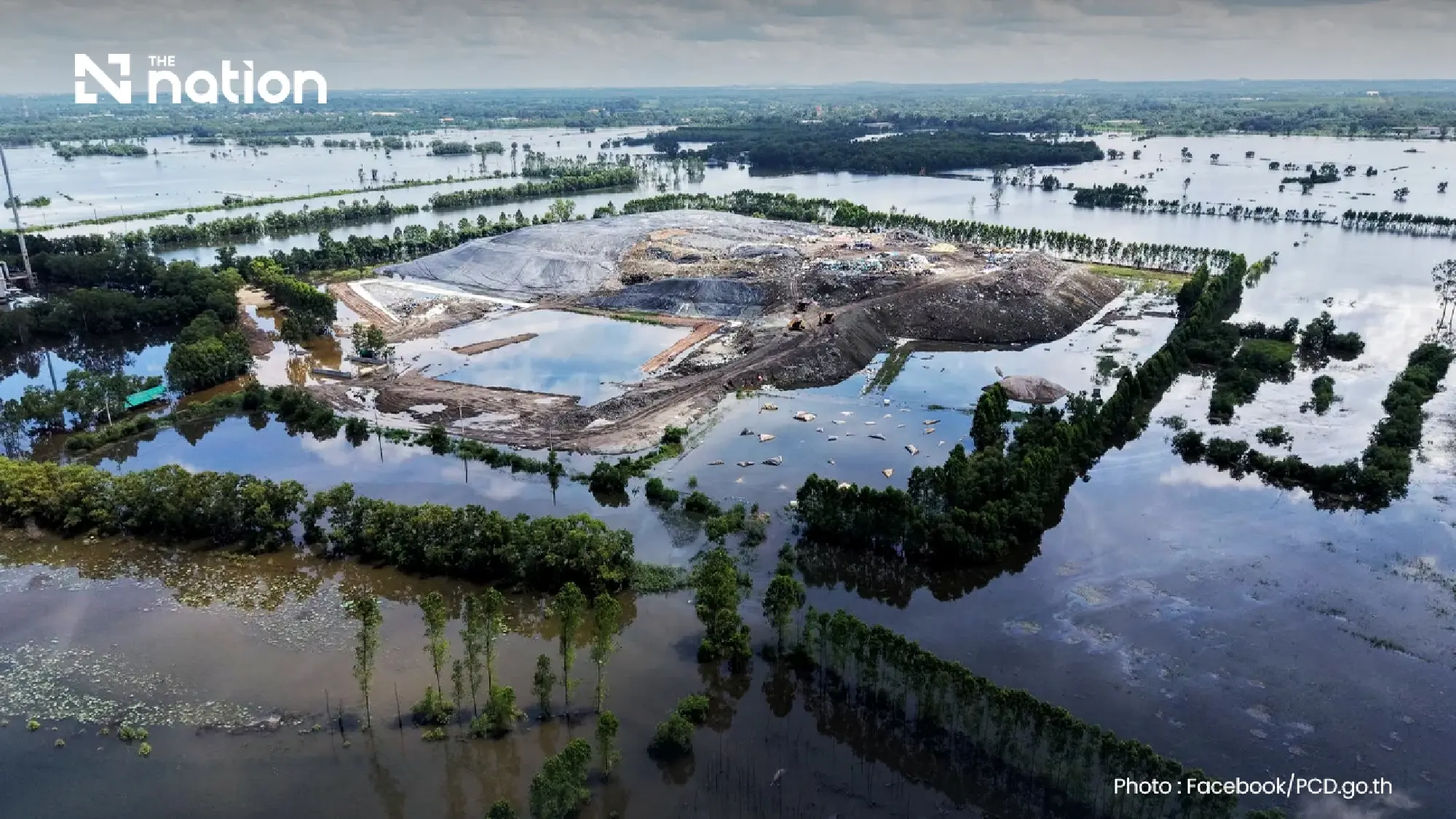
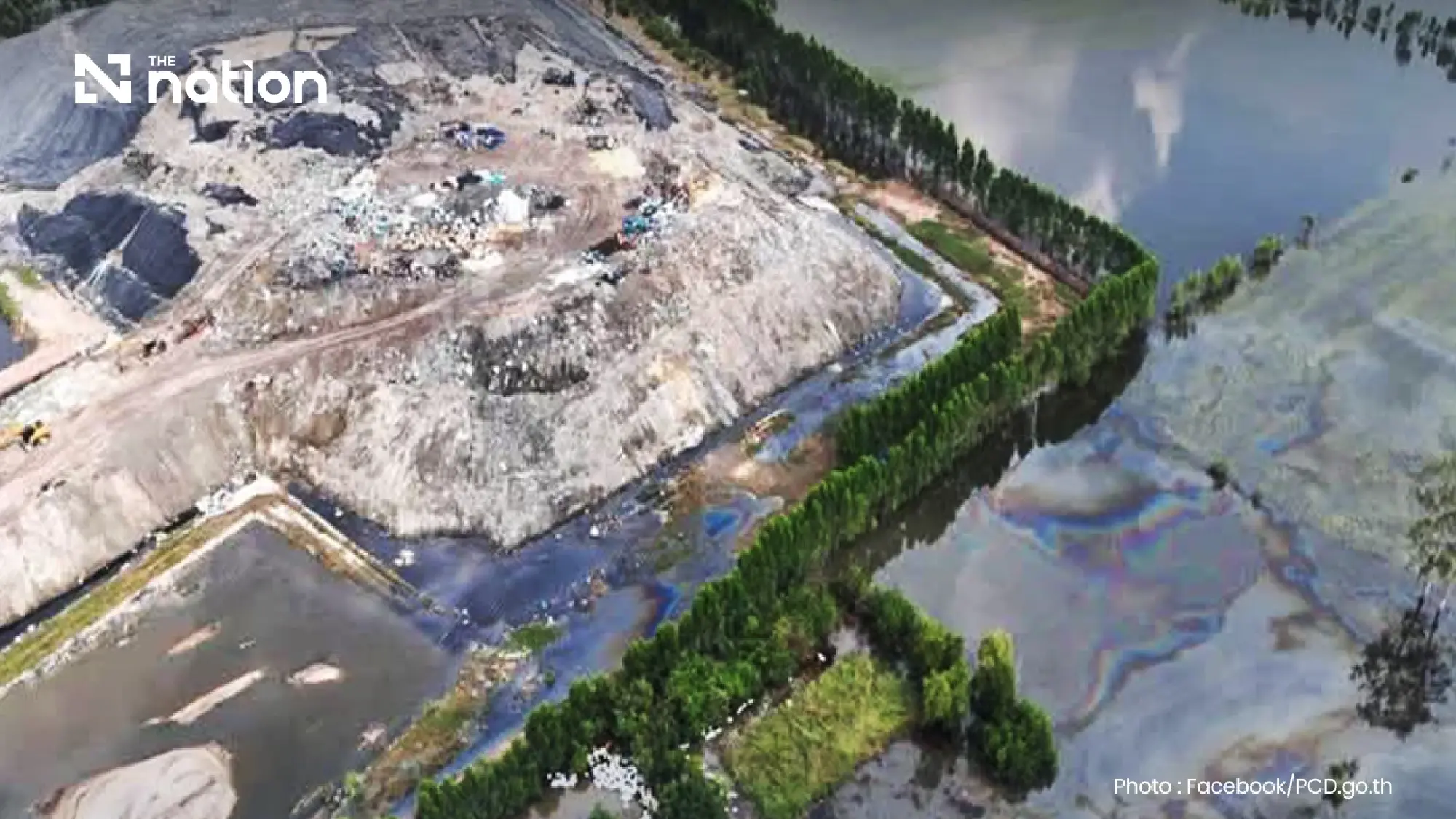
- The highly contaminated sample was collected 65 metres from a leaking embankment at an industrial waste landfill, which is the suspected source of the pollution.
- In response to the findings, the PCD is preparing evidence for legal action and plans joint inspections of the facility with the Department of Industrial Works (DIW).
- Authorities are also planning further sediment testing and preparing to issue warnings advising local communities against using the contaminated water sources.
Thailand’s Pollution Control Department (PCD) is preparing evidence for legal action after laboratory results confirmed on October 12, 2026, showed petroleum hydrocarbon contamination in water near an industrial waste landfill in Prachin Buri. The department reported 114,860 milligrams per litre (mg/L) in a sample collected about 65 metres from a leaking embankment.
The PCD and the Department of Industrial Works (DIW) plan joint inspections of the facility and surrounding drainage areas, alongside sediment tests once the water dries out. The agencies are investigating the source of the contamination and who is responsible.
Prachin Buri samples show sharply different pollution levels

Residents and local officials reported a rainbow-coloured oily sheen spreading across water near the Prachin Buri landfill, prompting an urgent inspection by the PCD’s Environment and Pollution Control Office 7 (Saraburi) on October 1.
PCD officers used a horizontal water sampler to collect samples at three locations over an area extending roughly one kilometre from the landfill’s leaking embankment.
The PCD reported the following concentrations for the Prachin Buri samples.
Sampling point 1, approximately 65 metres from the leaking embankment
- Petroleum hydrocarbons: 114,860 mg/L
- Iron (Fe): 0.98 mg/L
- Aluminium (Al): 1.146 mg/L
- Barium (Ba): 0.041 mg/L
- Copper (Cu): 0.01 mg/L
Sampling point 2, approximately 435 metres from the leaking embankment
- Petroleum hydrocarbons: Less than 3 mg/L
- Iron (Fe): 1.0 mg/L
- Aluminium (Al): 1.294 mg/L
- Barium (Ba): 0.038 mg/L
- Copper (Cu): Less than 0.01 mg/L
Sampling point 3, approximately 850 metres from the leaking embankment
- Petroleum hydrocarbons: Less than 3 mg/L
- Iron (Fe): 0.70 mg/L
- Aluminium (Al): Less than 0.5 mg/L
- Barium (Ba): 0.051 mg/L
- Copper (Cu): Less than 0.01 mg/L
Petroleum hydrocarbon concentrations were substantially lower at the two sampling points farther from the embankment. The PCD said the findings confirmed significant petroleum contamination downstream of the Prachin Buri landfill.

Petroleum contamination raises risks for aquatic life
Petroleum pollution can disrupt aquatic ecosystems, including by forming surface films that hinder oxygen exchange between air and water. Reduced dissolved oxygen can harm aquatic animals and plants.
Some petroleum compounds can accumulate in organisms and enter the food chain. Persistent contamination in water sources used by communities could also pose longer-term health risks.
The combination of petroleum hydrocarbons and metals detected near the Prachin Buri landfill has raised concerns about untreated industrial leachate, or liquid draining from industrial waste. The PCD and DIW are continuing their investigation of the suspected source.

PCD and DIW outline three-part response
The PCD and DIW are coordinating three measures to prevent contamination spreading to public waterways and neighbouring communities:
- Legal proceedings. The PCD is compiling laboratory findings and other evidence for the DIW and police investigators to pursue action against the landfill operator or others found responsible. The cited legislation includes the Hazardous Substances Act 1992, the Factory Act and the Enhancement and Conservation of National Environmental Quality Act 1992. The response is intended to apply the polluter pays principle, placing pollution-related costs on those responsible.
- Factory and landfill inspections. PCD and DIW officers plan to examine the industrial facility, landfill and surrounding areas receiving runoff. The inspections would assess environmental impacts, the condition of the leaking embankment and wastewater management systems. Officials would also check whether the types of industrial waste deposited at the site comply with its licence.
- Sediment testing and restoration planning. The PCD plans to collect sediment samples as soon as the affected area dries out. Petroleum hydrocarbons and some metals can attach to sediment and remain after water recedes. Testing would help establish the extent of residual contamination and guide environmental restoration with other agencies.
The PCD and DIW are also emphasising tighter management of industrial waste containment and pollution-treatment systems to prevent further leaks that could harm the environment and public health.
PCD prepares to coordinate local water-use warnings
The PCD said it would closely monitor the contamination and was ready to coordinate with Prachin Buri provincial authorities and local administrative organisations on warnings for nearby communities.
The PCD’s proposed precautions for communities near the Prachin Buri landfill would advise residents not to use nearby natural water sources for drinking, other household uses or agriculture until investigations and environmental restoration are complete.
