
IMF-World Bank meetings give Thailand fresh year-end tourism boost
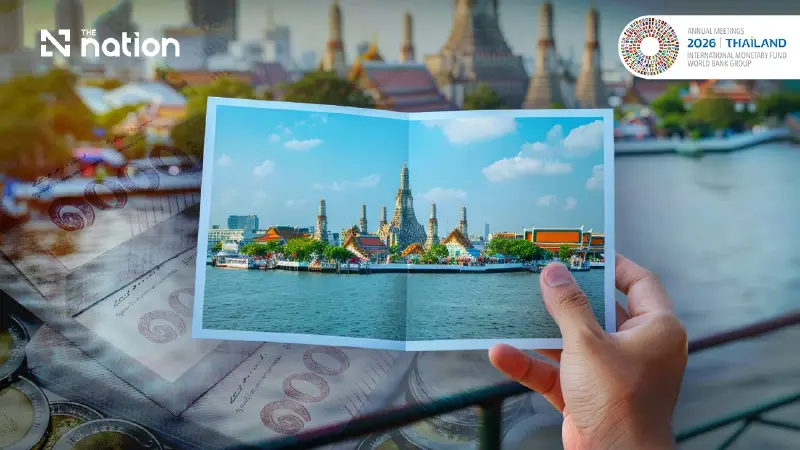


Tourism Minister Surasak Phancharoenworakul expects the IMF-World Bank meetings to lift spending and support Thailand’s year-end tourism recovery.
Thailand is looking to turn its hosting of the 2026 IMF-World Bank Group Annual Meetings into a boost for year-end tourism and spending, while using the global gathering to showcase the country’s culture, attractions and creative industries.
Tourism and Sports Minister Surasak Phancharoenworakul said the gathering was among the largest international meetings hosted by Thailand in terms of attendance and offered benefits extending beyond economic and financial discussions.
He said the event provided an opportunity to introduce international participants, particularly those visiting Thailand for the first time, to Thai culture, performing arts and tourist attractions through activities organised at the conference venue.
The government hopes those experiences can encourage participants to return to Thailand for future visits and help strengthen the country’s tourism profile internationally.

Meetings expected to stimulate service spending
Surasak said spending by participants attending the meetings would provide an immediate boost to hotels, restaurants, transport and other service businesses, helping support economic activity towards the end of the year.
The Tourism and Sports Ministry is also preparing a series of large-scale tourism promotion events during the final months of 2026.
He expressed confidence that the combination of international events and tourism campaigns would help bring visitor numbers closer to the government’s target for the year.

Tourism recovery faces global headwinds
Thailand’s tourism industry continues to face challenges from the global economic outlook, international conflicts and higher energy costs, Surasak said.
Despite those pressures, he expects international arrivals this year to recover to a level close to that recorded in 2025.
Growth should become more pronounced next year as travel demand strengthens and Thailand continues efforts to attract international visitors, he added.
Surasak said the IMF-World Bank meetings therefore represented not only a major international economic gathering, but also an opportunity to generate immediate spending and turn Thailand’s global exposure into longer-term tourism growth.
