
Thai PBS disputes 85m-baht repayment finding on October 14


Thai PBS denies corruption in guest payments and outlines management reforms after challenging the release of state audit findings.
- Thai Public Broadcasting Service (Thai PBS) held a press conference on October 14 to formally dispute a State Audit Office (SAO) finding that it must repay 85 million baht.
- Thai PBS argues the SAO's findings were publicized prematurely before the audit process was complete, damaging the broadcaster's reputation and not allowing it a proper opportunity to explain.
- The disputed 85 million baht relates to payments made to presenters and guests, which Thai PBS defends as legitimate travel allowances permitted under existing fiscal rules, not as financial damage or corruption.
Thai Public Broadcasting Service (Thai PBS) challenged an audit conclusion that it should repay 85 million baht at a press conference at its Bangkok headquarters on October 14, 2026. Deputy director-general for administration Piset Chiyasak argued that State Audit Office (SAO) findings had been publicised before the process was complete, damaging the broadcaster’s reputation.
Thai PBS had immediately written to the State Audit Commission about the disclosure, Piset said, calling for the audit to be conducted professionally.
The SAO began its investigation on January 26 after internal complaints, it was previously reported. Auditors raised concerns about procurement, payments and management, issuing performance and procurement-compliance reports on October 2 and October 9 respectively.
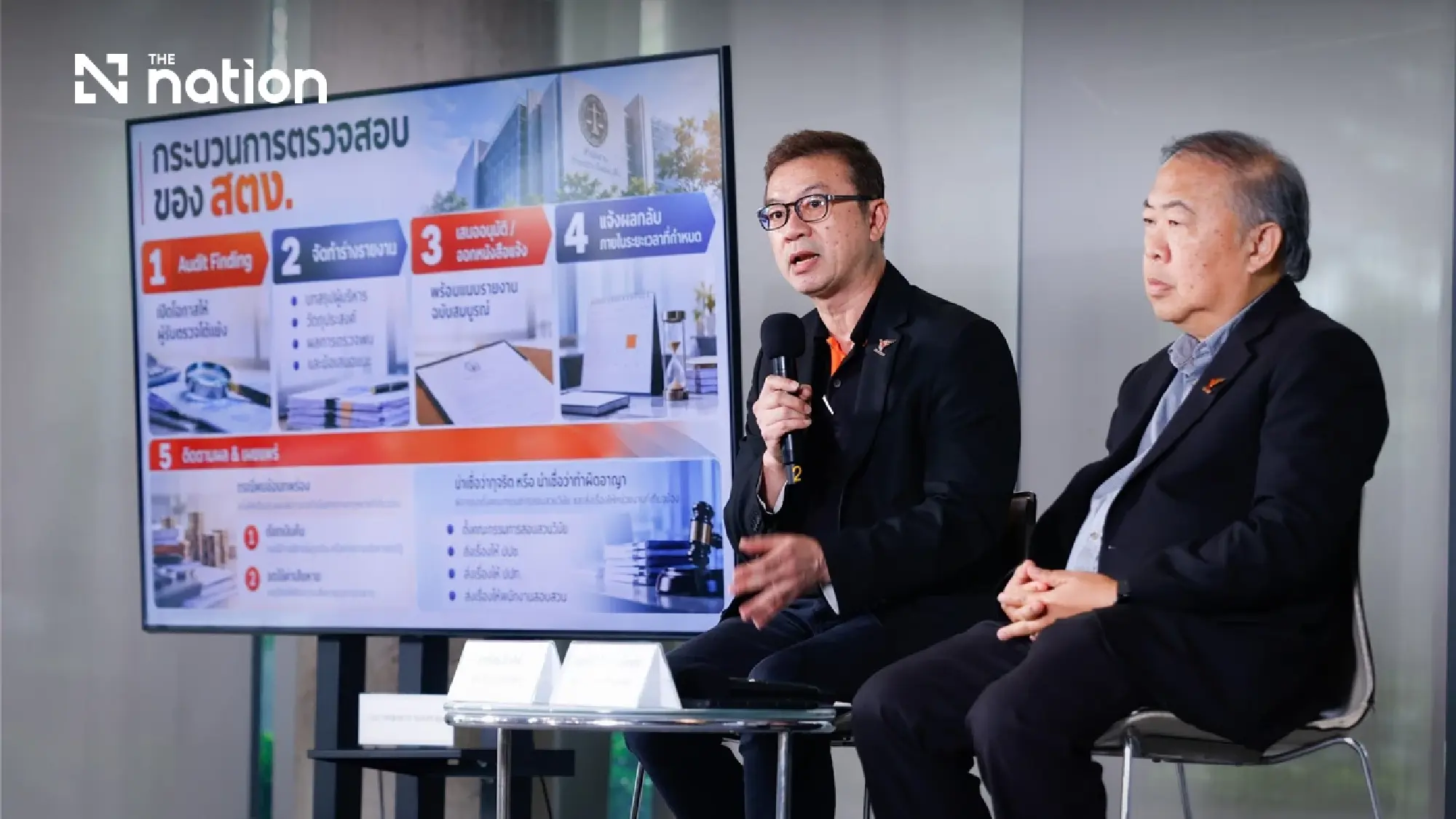

Thai PBS disputes audit procedures and early disclosure
Piset challenged the handling of work by two of the three SAO teams, while praising the first team, which assessed value for money and performance, as professional.
The second SAO team, examining the hiring of presenters and programme hosts and payments to guests, reached the 85-million-baht conclusion without a closing meeting or an opportunity for Thai PBS to explain, Piset maintained. The SAO maintains that those concerned were allowed to respond to all audit observations.
Piset argued that the third team had not finished examining Thai PBS executives’ use of pooled vehicles when the SAO held its press conference. The SAO’s account was that its committee had completed consideration of the vehicle issue, with formal notification to Thai PBS expected the following week.

Piset declined to answer questions on vehicle use at this stage, arguing that the SAO had yet to disclose its findings officially.
Piset urged auditors to consider both legal requirements and established media-industry practices. Public-service broadcasting was not an ordinary consumer product and had its own operating practices, he argued.
Information referring to third parties should remain confidential until formal written findings and properly concluded assessments had been issued, Piset maintained. He urged the SAO to follow internationally recognised auditing practices to reassure organisations being audited and avoid doubts about selective treatment.
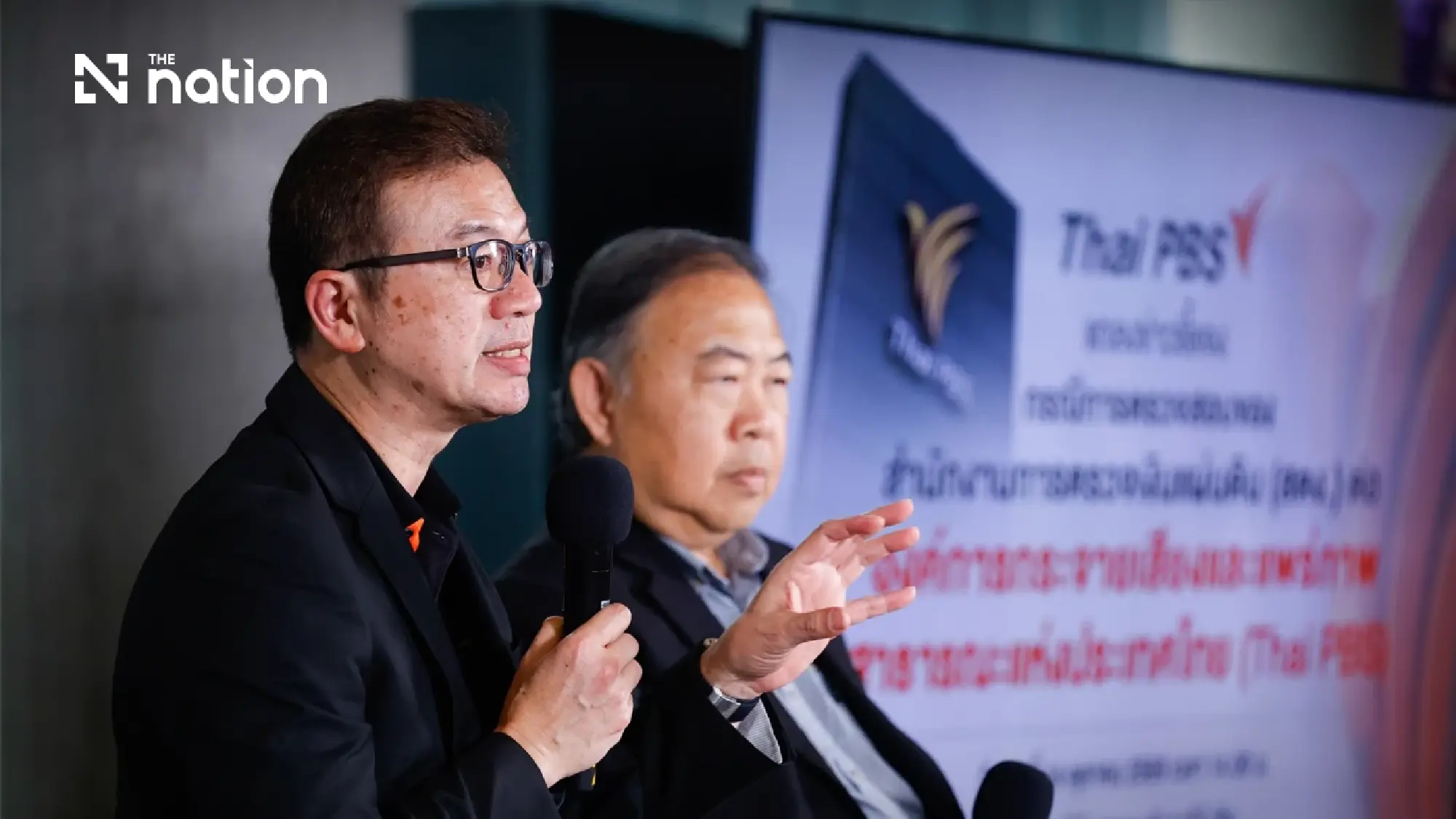

Thai PBS denies wrongdoing in guest payments
Piset defended guest payments of around 1,000–2,000 baht per appearance as travel or transport allowances, denying that they had caused financial damage or involved corruption. The review covered a three-year period beginning in 2023, he explained.
The SAO found that presenter and guest payments lacked formal rules after a new financial regulation took effect on September 20, 2024. Piset disputed that interpretation, maintaining that the director-general could approve the travel payments under fiscal discipline legislation and that transitional provisions dating from 2018 already permitted them.
The SAO also questioned external news-production contracts from 2017 to 2025. Adisak Limparungpatanakij, Thai PBS’s deputy director-general for technology, who joined Piset at the briefing, defended the broader practice of commissioning independent producers as compliant with the law and intended to distribute opportunities more widely.
Thai PBS plans integrated management system from 2027

Thai PBS is hiring a developer for an enterprise resource planning (ERP) system under guidance from KPMG, Adisak explained. Work is expected to begin in early 2027, with the system fully operational within two years.
Adisak acknowledged that Thai PBS’s structural management problems had existed for years, but stressed that the current team had studied solutions rather than ignored them.
Piset said Thai PBS had replaced its previous PSI Rating audience measure with online indicators to reflect wider viewing and access to its content.
Thai PBS’s One ThaiPBS system is undergoing data integration and closer operational coordination, Piset explained. The organisation has 24 units, including four bureaux and smaller centres, which may have kept information separately in the past.
Piset maintained that Thai PBS’s management had prioritised efficiency and value for money and remained ready to make improvements in line with the auditors’ recommendations.
Thai PBS is also developing a data storage and retrieval system to provide a public-library service, a project expected to take 18 months, Adisak added. An artificial intelligence (AI) platform is being developed for use throughout the organisation.


Thai PBS cites budget pressure as responsibilities grow
Adisak said Thai PBS’s responsibilities had expanded tenfold while its budget remained unchanged. The broadcaster had never requested an increase, he maintained, estimating that its budget’s purchasing power was now equivalent to only 1.5 billion baht.
Thai PBS’s less visible responsibilities include operating a terrestrial digital television network with 63 transmission stations around the country, Adisak noted.
About half of Thai PBS’s more than 1,200 employees were assigned to fact-checking, services for people with disabilities and children’s programmes, according to Adisak. He argued that commercial broadcasters could not provide such unprofitable services.
