
Water agency orders release plans for southern dams over 80% full before October 24–26 rain


Heavier rain is forecast for Pattani, Yala and Narathiwat as Thai agencies prepare pumps and tackle stagnant floodwater and pollution.
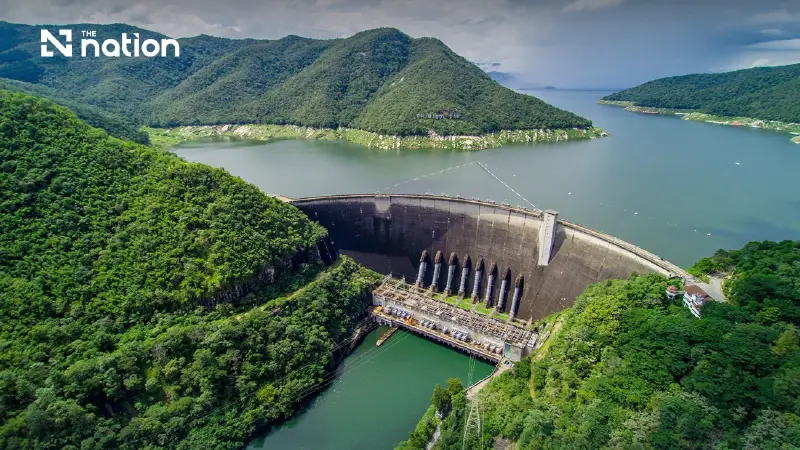
- Thailand's national water agency ordered southern dams over 80% capacity to prepare for advance water releases.
- The order is a precautionary measure in response to a forecast of heavy rain in southern Thailand from October 24–26.
- Dam operators must manage the releases to create storage capacity for the incoming rain while considering the impact on downstream communities.
Thailand’s Office of the National Water Resources (ONWR) ordered preparations on 20 October 2026 for heavy rain in the South on October 24–26. Southern reservoirs holding more than 80% of capacity must prepare for advance releases that take downstream impacts into account.

Chayan Muangsong, ONWR secretary-general, chaired the water resources management subcommittee’s eighth meeting of 2026. Governors from southern and other at-risk provinces joined relevant agencies at ONWR’s offices and online to assess water conditions, manage flooded areas and prepare for further heavy rain.
Chayan said ONWR was coordinating drainage, water-quality improvements and flood preparations to protect residents, reduce flood and landslide impacts and help affected communities return to normal life as quickly as possible.

Southern rain warning focuses on Pattani, Yala and Narathiwat
The Thai Meteorological Department and the Hydro-Informatics Institute, a public organisation, forecast heavier rain in southern Thailand on October 24–26, 2026, particularly in the border provinces of Pattani, Yala and Narathiwat, as the region enters its rainy season.
ONWR set out three preparedness measures for southern Thailand:
1. Equipment readiness: ONWR instructed the Royal Irrigation Department to inspect pumps, machines used to accelerate water flow and other machinery in the South to ensure 100% readiness for use.
2. Reservoir releases: ONWR directed dam operators to leave room for additional inflows. Southern reservoirs holding more than 80% of storage capacity must prepare to lower water levels in advance, with particular attention to downstream impacts.
3. Local oversight: ONWR will closely supervise and monitor preparations on the ground to prevent or mitigate flooding and sudden run-off.
The Thai Meteorological Department and Hydro-Informatics Institute assessed on 20 October 2026 that Champi was moving towards Taiwan. The storm was not expected to enter Thailand directly or directly affect the country’s weather.

Agencies tackle polluted floodwater in three provinces
Prolonged flooding has left foul-smelling, polluted water affecting residents in Pathum Thani, Prachin Buri and Ongkharak district of Nakhon Nayok, according to ONWR. Three agencies are carrying out measures to improve conditions:
1. Royal Irrigation Department: The department is diverting cleaner water to dilute and flush out polluted water and removing water hyacinth and other obstructions in front of sluice gates. The department has also adjusted gate operations to prevent foul sludge and sediment on canal beds from entering main waterways.
2. Land Development Department: The department is working to raise oxygen levels in the water to reduce pollution and unpleasant smells and improve water conditions in communities.
3. Pollution Control Department: The department is continuing water-quality monitoring, tightening inspections of industrial wastewater discharges and putting measures in place to contain oil slicks before pollution spreads downstream.
Water releases adjusted in river basins and Kanchanaburi
ONWR reported reduced releases in the Tha Chin basin and falling water levels in the Chao Phraya basin, alongside precautionary increases in releases from two large dams in Kanchanaburi. The measures differ according to conditions in each area:
1. Tha Chin basin: ONWR instructed local irrigation projects to reduce releases to ease accumulated flooding. The Royal Irrigation Department has reduced discharge through the Phon Thep sluice gate to maintain water levels suitable for cage fish farming and installed machines to accelerate the drainage of excess water to the sea.
2. Chao Phraya basin: ONWR reported that water levels were continuing to fall and expected conditions to return to normal from late October to early November 2026. Relevant agencies are progressively draining low-lying fields so farmers can resume using the land.
3. Kanchanaburi dams: Srinagarind and Vajiralongkorn reservoirs were close to capacity, according to ONWR. Although little additional rain was forecast locally, releases were being increased gradually as a precaution. ONWR said the increases would not affect downstream areas because water volumes in tributaries below the dams were continuing to decline.
