
El Niño could cut Thai farm income by 1–5% in 2027, KKP says
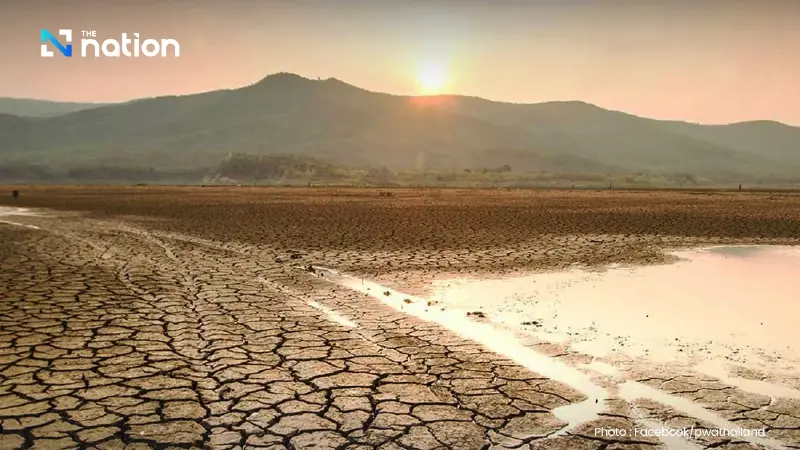


KKP warns a severe drought could cut Thai farm income by 15–20%, with dry-season rice growers in central Thailand and rain-fed farms in the north-east most at risk.
- KKP Research forecasts that a prolonged El Niño will cause Thai farm income to fall by 1–5% in 2027 due to reduced water availability for crops from lower reservoir levels.
- A more severe drought, similar to the one in 2014–16, could cause a much steeper income decline of 15–20%.
- The prediction is based on significantly lower water storage at the start of the dry season, with usable water in northern reservoirs down to 48.8% from 71.6% a year earlier.
- The farmers most at risk are identified as dry-season rice growers in central Thailand and those cultivating rain-fed crops in the north-east.
A drought as severe as that of 2014–16 could push the decline to 15–20%. Dry-season rice growers in central Thailand and farmers who rely on rainfall in the north-east face the greatest risk.
Thai farm income could fall by 1–5% in 2027 as a prolonged El Niño and lower reservoir levels leave less water available for crops, according to KKP Research, part of Kiatnakin Phatra Financial Group. That would reverse an estimated 8.8% rise in farm income in 2026.
KKP expects central Thailand’s rice growers to feel the effects first, as they rely heavily on irrigation for their dry-season crop. In the north-east, farmers outside irrigation networks are particularly vulnerable if the rains arrive late or stop soon after planting. Lower farm earnings could curb spending in the provinces and make it harder for households to repay debts.
Why the 2027 crop is more exposed
Two factors helped protect farmers in 2026. El Niño began to develop during the rainy season, when reservoir stocks were close to their highest level in a decade. KKP estimates that farm output grew by about 1.2%, while tight global supplies lifted agricultural prices by 7.5%.
Farmers enter the 2026/27 dry season with less water available. Despite flooding in central Thailand, overall rainfall was below both the long-term average and the previous year’s level. Much of the late-season floodwater had to be released, limiting how much could be kept for irrigation.

KKP put usable water storage in northern reservoirs at 48.8%, down from 71.6% a year earlier. In the north-east, the figure fell to 46.1% from 69.6%.
In its 12 November outlook, the US National Oceanic and Atmospheric Administration said El Niño was likely to remain strong or very strong through the January–March period of 2027 before weakening. KKP warned that a late start to Thailand’s rainy season or a prolonged dry spell would force farmers to rely on those reserves for longer.
Household water supplies, ecosystems and industry take priority over agriculture when water is allocated, KKP said. It warned that growth in water-intensive industries, including data centres, could put further pressure on irrigation supplies without adequate oversight.
Which crops would be hit first?
KKP expects the effects to reach farmers in three stages.
Dry-season rice in central Thailand. This crop depends almost entirely on irrigation. Water restrictions could reduce the area planted in the 2026/27 dry season and prevent farmers from growing a second dry-season crop.
Rain-fed field crops in the north-east. Cassava, sugar cane and maize grown for animal feed could suffer if rainfall is interrupted early in the 2027 growing season.
Oil palm and rubber. The impact would take longer to appear. Sustained heat and drought can slow growth and delay harvests.
How far could farm income fall?
KKP’s main forecast assumes farm output falls by about 5%, in line with the historical average it used for 2005–25. After allowing for changes in agricultural prices, it estimates that farm income would decline by 1–5% in 2027.
A repeat of the 2014–16 drought would produce a steeper loss. In that scenario, output would fall by about 19%. If agricultural prices rose by only 0–4%, KKP estimates that farm income would drop by 15–20%.
A strong El Niño could also reduce harvests elsewhere in Asia and keep global agricultural prices high. For Thai rice farmers, however, KKP sees limited scope for a price surge on the scale of 2023, when India restricted exports. India and other major exporters now hold record rice stocks, which could limit price rises even if Thailand’s harvest shrinks.

KKP calls for early notice on water and targeted help for farmers
KKP Research recommends three short-term measures to help farmers cope with drought.
Manage water supplies more strictly and give farmers advance notice. Authorities should tell farmers well before planting about plans to suspend a second dry-season rice crop and reserve water for dry spells during the rainy season. Farmers affected by these measures should receive fair compensation.
Promote crops that need less water. In drought-prone areas, authorities should encourage farmers to grow crops that use less water and varieties that mature more quickly.
Target support at farmers who suffer crop losses. KKP recommends expanding crop insurance and shifting away from blanket price support, which is costly and offers farmers little help when agricultural prices are already high.
In the longer term, KKP urges the government to accelerate investment in irrigation, particularly in the north-east, while improving farm productivity and raising yields per rai. It said these measures would help stabilise farmers’ incomes and strengthen Thailand’s food security as the climate becomes more variable.

