
Phiphat waits for 90-day Landbridge review before site visit
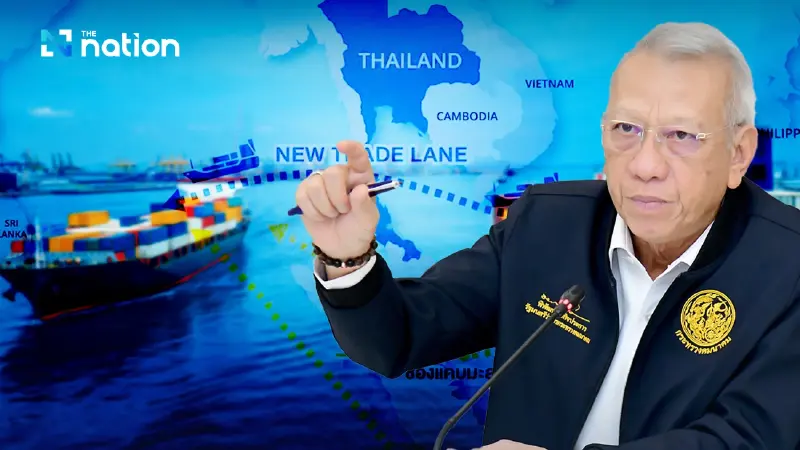


Phiphat says Thailand must wait for a 90-day Landbridge study covering environmental impact, local livelihoods and economic gains.
Deputy Prime Minister and Transport Minister Phiphat Ratchakitprakarn said on Tuesday (May 5) that he would wait for the outcome of a 90-day study on the Landbridge project before visiting the project area or making firm comments, as the government prepares a fresh review of the megaproject’s impact and benefits.
Speaking at Government House, Phiphat said he would not travel to the project site on May 8 because he wanted to wait for the findings of the committee chaired by Deputy Prime Minister and Finance Minister Ekniti Nitithanprapas.
Prime Minister and Interior Minister Anutin Charnvirakul has assigned Ekniti to chair the study into the project.
“If I go down there now, my statements could turn out to be right or wrong. Therefore, it is better to wait,” Phiphat said.
Fresh study to cover impact, benefits and transport links
Phiphat said the Landbridge project required a completely new study, covering environmental impacts as well as the benefits Thailand could gain from the development.
He said the project would not be limited to rail systems, but would also include road networks and energy transport pipelines.
The Transport Minister expressed confidence that the study would be completed within the timeframe set by the Prime Minister.
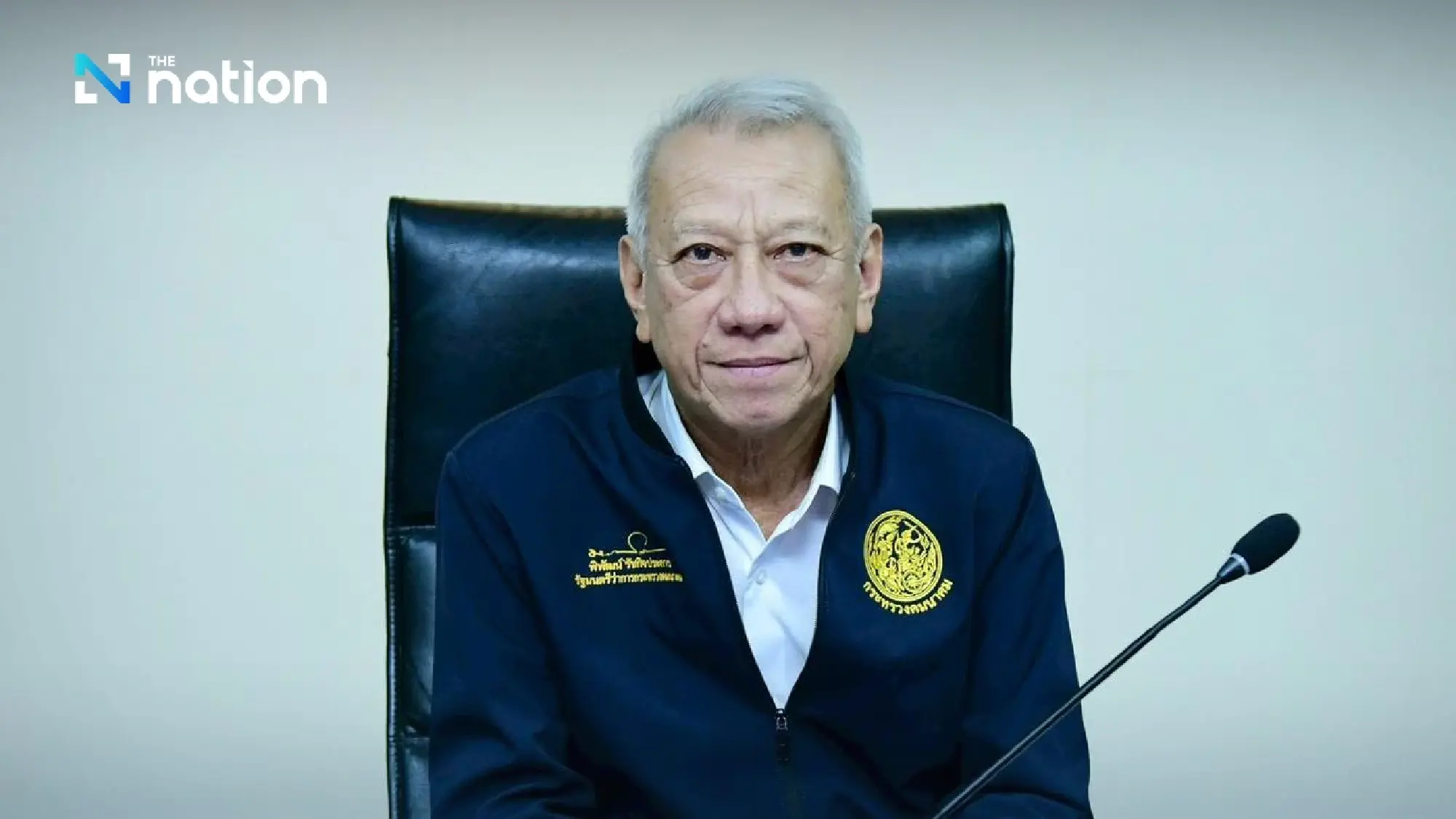

Government to explain gains and address local concerns
Asked how the government would deal with public opposition, Phiphat said authorities needed to clearly explain both the advantages and disadvantages of the project, particularly to residents in Chumphon and Ranong.
He said key issues included how local people would retain the right to make a living in their communities, as well as what reserved occupations or compensation measures would be provided for those who might lose opportunities, including local fishing communities.
On the possibility of protests at Government House, Phiphat said such action was a personal right and could not be prohibited. However, he said the government had a duty to explain clearly what the country stood to gain from the project.
Phiphat contrasts Landbridge with Thai Canal proposal
When asked whether the project’s benefits would outweigh its drawbacks, Phiphat said the public should wait for the study results.
Addressing opposition from NGOs, he said protesters likely included both local residents and people from outside the area.
He compared the Landbridge proposal with past efforts to dig the Kra Isthmus Canal, also known as the Thai Canal, saying earlier projects had stalled but the global situation had now changed.
Unlike the canal proposal, Phiphat said, the Landbridge would not involve digging a waterway and therefore would not face criticism over “splitting the country in two”.
He said the project would instead rely on road, rail and pipeline systems. Modern construction methods, including tunnelling, would be used in mountainous areas to minimise ecological damage, he added.
‘Time to move forward’ if project benefits Thailand
Asked whether the Landbridge could suffer the same fate as the Thai Canal proposal, Phiphat said that would depend on the study.
He said that, from the Ministry of Transport’s perspective, if the project benefited Thailand or offered an opportunity for economic recovery, then it was time for the country to move forward with such development.
Asked why such a major project was not clearly included in the government’s original policy statement, Phiphat said the Landbridge had been a Bhumjaithai Party flagship policy since 2019.
Now that the party had returned to oversee the Ministry of Transport, he said, it was continuing to drive the project forward as one of its main objectives.
