
Phiphat turns to phased rail fare plan as debt limits delay common-ticket buyback
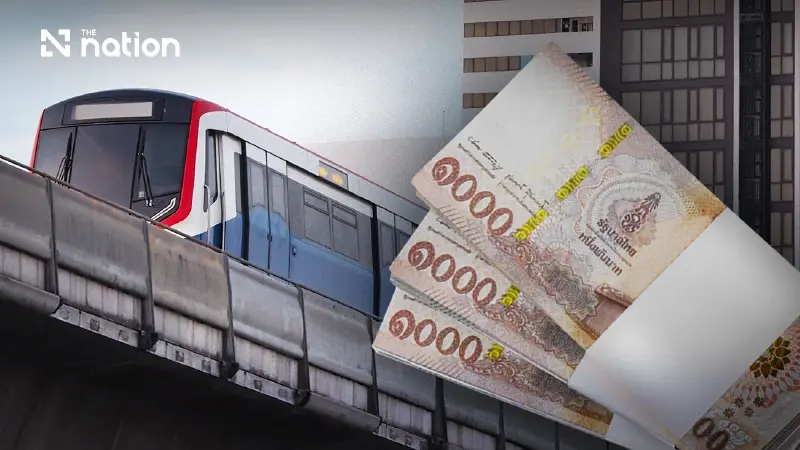


Transport Minister Phiphat Ratchakitprakarn says Thailand’s common-ticket policy will move forward in phases, with a 200-billion-baht funding model under study and a 17-45 baht fare cap planned as short-term relief for commuters.
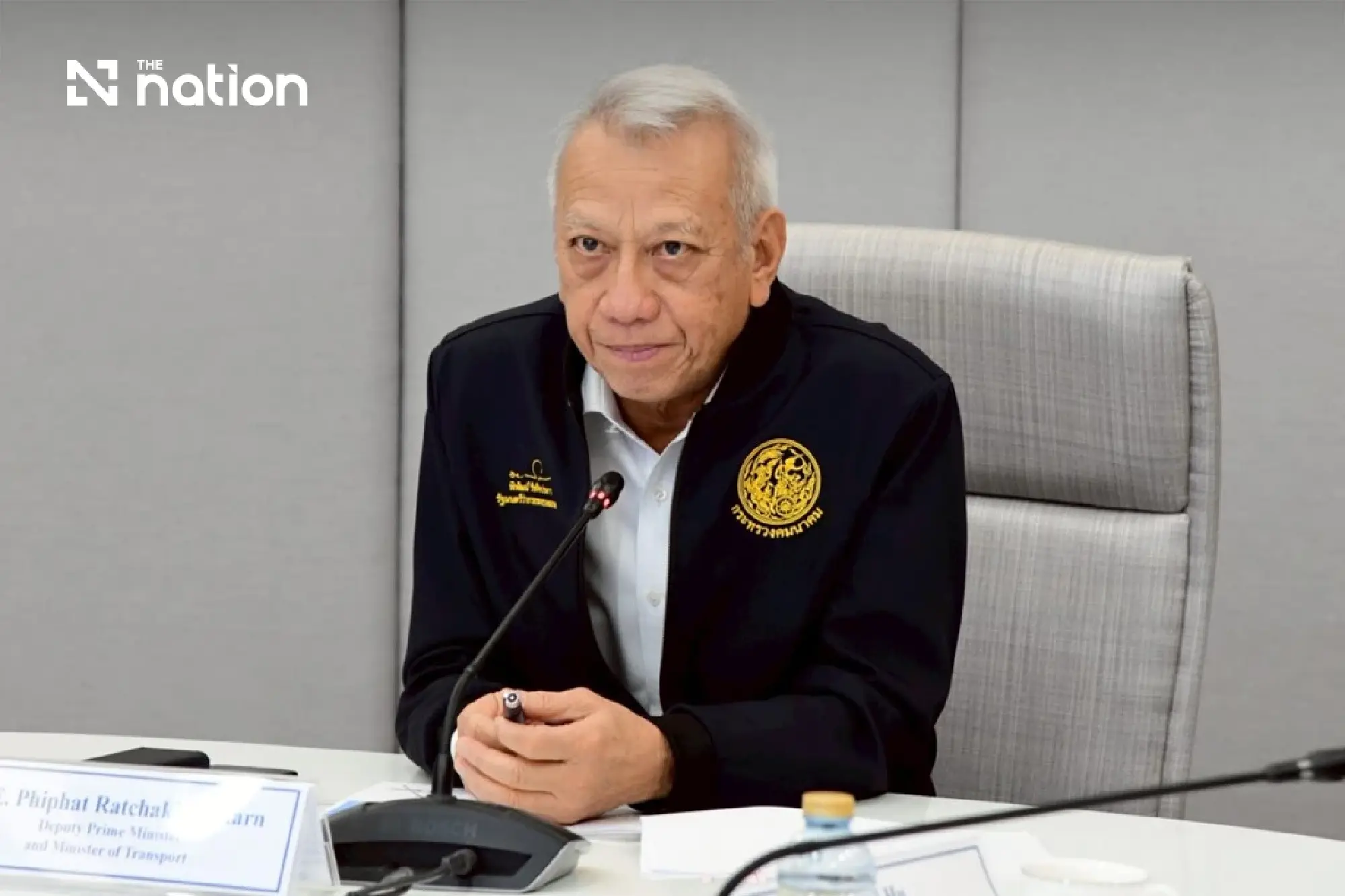
Deputy Prime Minister and Transport Minister Phiphat Ratchakitprakarn says Thailand’s common-ticket policy will move forward in phases, as public debt constraints delay the MRTA’s plan to buy back electric rail concessions, prompting the ministry to seek a 200-billion-baht funding model while pushing a 17-45 baht fare cap as short-term relief for commuters.
Phiphat said the government remains unable to allow the Mass Rapid Transit Authority of Thailand to use its budget to buy back electric rail projects from private operators and bring them under a unified ticketing system, due to limits linked to public debt management.
Following discussions with the Ministry of Finance, he said the government sees a 200-billion-baht fundraising model as a possible way to finance the rail buyback without directly affecting public debt.
MRTA buyback seen as key to full fare control
Phiphat said bringing electric rail projects back under state ownership would make the MRTA the sole owner of the system, allowing the government to manage common-ticket fares more effectively.
“The buyback of electric rail projects and their return to state ownership would make the MRTA the sole owner, which would help it manage common-ticket fares,” he said.
He added that the final fare model would still need further study, including whether the system should use a one-day ticket or a zoning system in which fares are divided by distance.

Full system may take until 2028
The minister acknowledged that the fundraising process and preparation of the back-end system would take around 1.5 to two years, meaning the full common-ticket structure may not be ready until 2028.
In the meantime, the Transport Ministry will push ahead with a proposal for electric rail fares of 17-45 baht throughout the day. The proposal will be submitted to the Cabinet, with the aim of applying the fare structure across all electric rail lines and launching it this year as a New Year measure for the public.
A previous Transport Ministry proposal targeted a 17-45 baht fare structure across all lines, supported by annual subsidies of around 4 billion baht to compensate for the fare difference. The plan is part of a wider effort to bring Bangkok’s electric rail network under unified MRTA management.
From flat-fare promise to phased compromise
The common-ticket push grew out of a long-running political promise to lower the cost of electric rail travel in Bangkok and surrounding provinces. The 20-baht fare policy was first piloted on the Red Line and Purple Line in October 2023 as a cost-of-living measure.
However, expanding a low flat fare to all lines has proved more complicated because Bangkok’s rail network is operated by different agencies and private concessionaires. Commuters who transfer between lines can face repeated entry charges, increasing total journey costs.
The difficulty is also tied to concession structures. Earlier government explanations said several electric rail concessions were signed under PPP Net Cost contracts, where private operators invest in and operate the systems while retaining fare revenue under agreed terms. The proposed buyback would allow those arrangements to be converted to PPP Gross Cost contracts, under which the state collects revenue and pays private firms to operate the trains.
17-45 baht cap offers short-term route around concession hurdles
The 17-45 baht model is intended as a more practical interim step. Instead of immediately forcing a full concession buyback, the system would reduce repeated entry charges and cap fares for connecting journeys.
Under an earlier proposal, passengers transferring between lines within 30 minutes would be treated as making a single journey, with the total fare capped at 45 baht per trip. The fare difference would be subsidised and refunded through payment cards or bank accounts.
The Transport Ministry has said this approach would avoid placing an excessive burden on public finances, with compensation expected to come from the common-ticket fund or accumulated MRTA revenue.
Long-term goal remains single ownership
Despite the short-term fare cap, the government’s structural goal remains a single-owner model, with the MRTA eventually managing electric rail lines as one integrated network.
Transport officials have previously said rail operations are currently divided among the State Railway of Thailand, the MRTA, the Bangkok Metropolitan Administration and private operators, making fare integration difficult without negotiations.
The ministry has also indicated that major contracts, including the Green Line concession, are due to expire in 2029, after which assets would return to the state and give the government more room to reconsider broader fare policies without the high cost of early buybacks.
For now, the 17-45 baht fare cap is being positioned as the government’s immediate cost-of-living measure, while the larger 200-billion-baht financing plan remains the longer-term route towards a fully integrated common-ticket system.
