Thailand will begin demolishing illegal structures on Phuket beaches in July, targeting Nui Beach, Freedom Beach and hotels in Sirinat National Park
Thailand's government will begin demolishing illegal structures on Phuket beaches in July as part of a campaign to reclaim public and national park land.
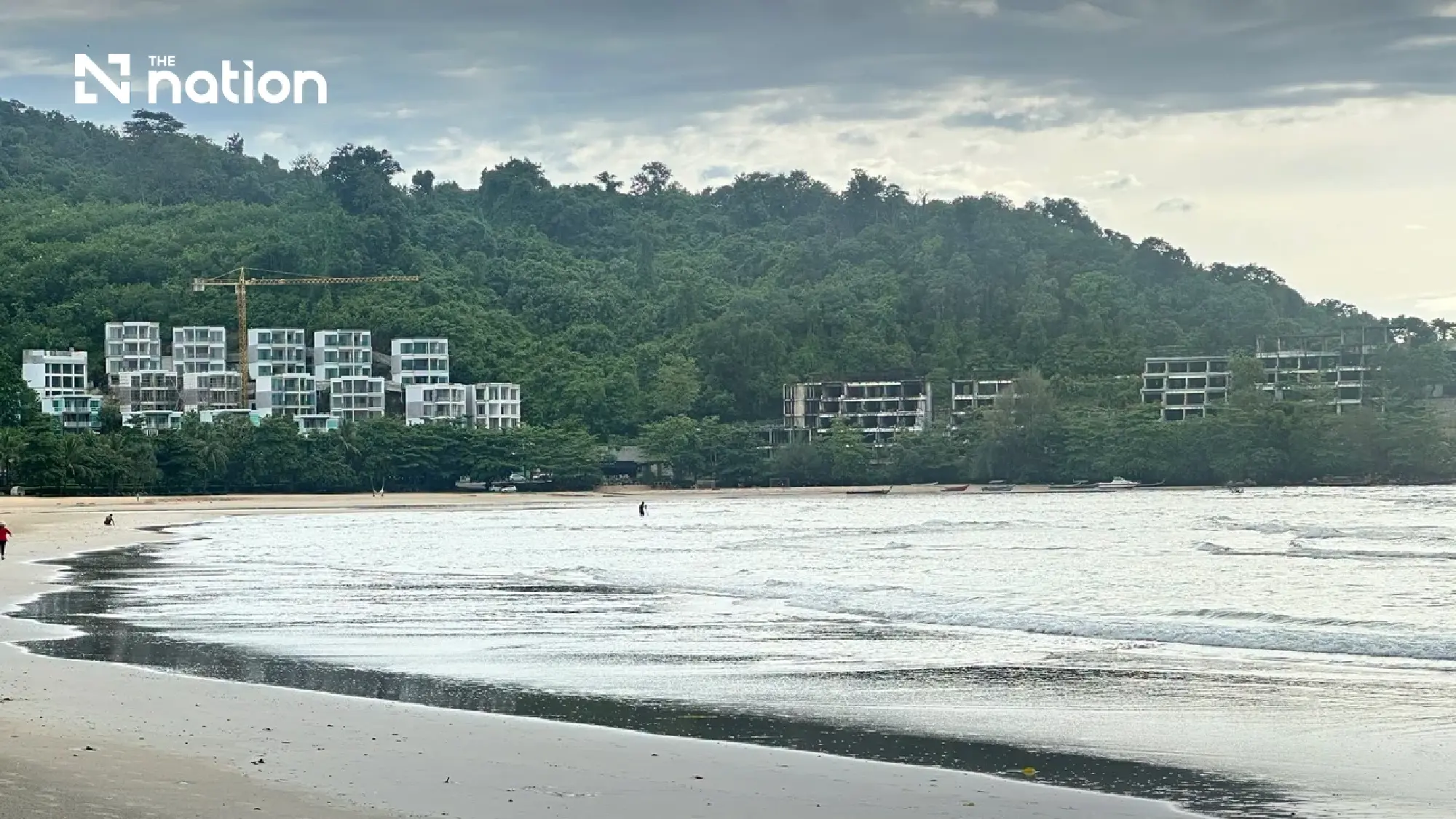
Nui Beach is set to be one of the first locations for demolition, as legal appeals from encroachers have been rejected and official notice periods are expiring.
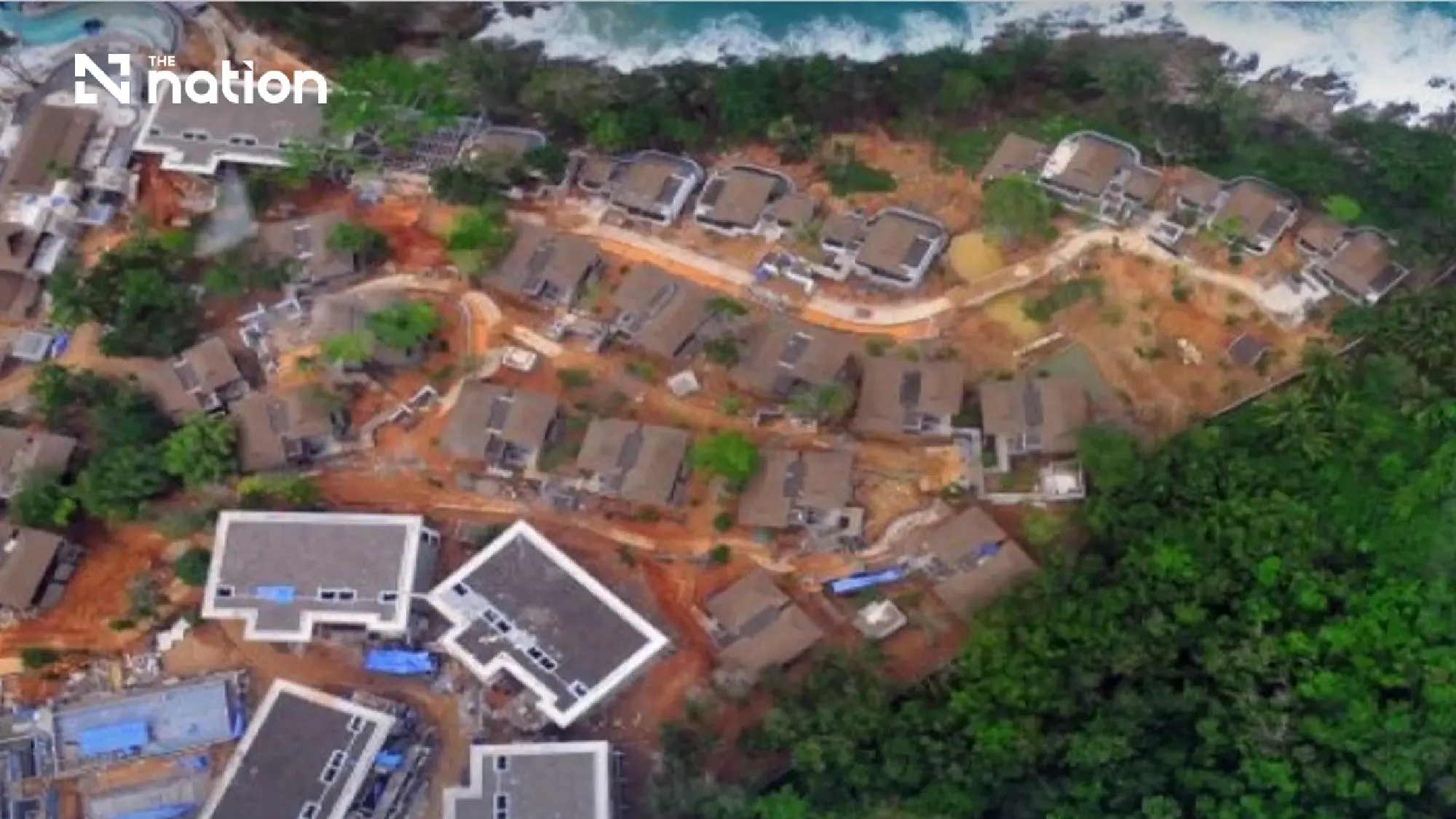
The crackdown also includes other areas like Freedom Beach and hotels within Sirinat National Park that are accused of encroachment.
Structures on land with disputed title deeds cannot be demolished immediately; authorities must wait for the Department of Lands to formally revoke the deeds before proceeding.
Thailand’s Natural Resources and Environment Ministry is preparing to begin demolishing illegal structures on Phuket beaches in July, as the government escalates efforts to reclaim public land and national park areas from encroachers.
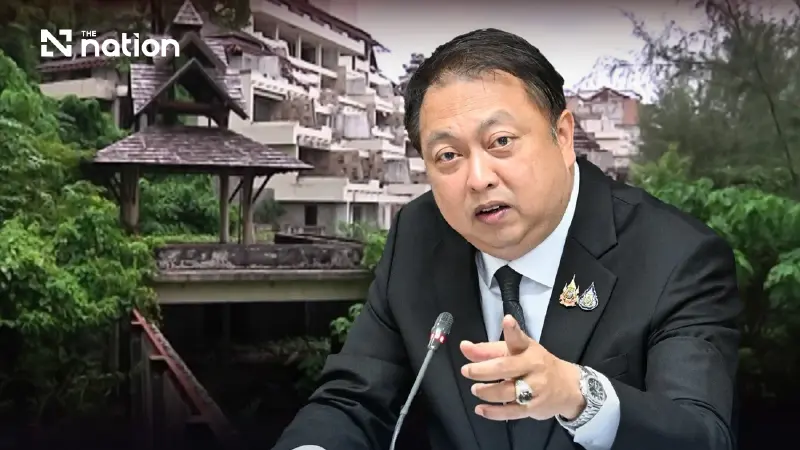
Natural Resources and Environment Minister Suchart Chomklin said at Government House that the ministry had made progress in the case of resorts and buildings accused of encroaching on protected land in Phuket, including areas linked to Sirinat National Park.
He said those accused of encroachment had the right to appeal, but the ministry had now rejected all appeals submitted so far. Officials recently posted official notices on structures at Nui Beach, and the legal deadline is expected to expire in July. Once that deadline passes, the ministry will begin demolition operations.
Nui Beach first in line for action
Suchart said Nui Beach would be among the first areas where enforcement action would proceed after the posted notices complete the required legal period.
The ministry is also preparing action in other disputed coastal areas, including Freedom Beach and other beaches in Phuket.
He said some of these cases fall under the responsibility of the Royal Forest Department, while others will be handled by the Department of National Parks, Wildlife and Plant Conservation.
The minister said the government’s approach was to enforce the law across all relevant areas rather than focus on one beach or one group of operators.
Sirinat hotels face title deed scrutiny
Suchart said further action would also be taken in Sirinat National Park, where several hotels were found to have allegedly encroached on protected land.
However, he said the legal process in these cases requires additional coordination with the Interior Ministry and the Department of Lands because some disputed plots are covered by title deeds.
According to Suchart, court rulings have already found that some land documents were improperly used, including cases involving Sor Kor 1 land-occupation documents that were allegedly applied to land where they did not lawfully belong.
He said he was compiling Supreme Court rulings together with the relevant title deed numbers before submitting them to the Department of Lands for revocation proceedings.
Suchart said the ministry cannot immediately demolish structures on land that still has an active title deed, even if the land has been ruled problematic.
The reason, he explained, is that authorities could face legal accusations of damaging property if they proceed before the title deeds are formally revoked.
Once the Department of Lands completes the revocation process, the ministry will be able to post demolition notices and move forward with removal.
The minister said this step-by-step approach was necessary to ensure enforcement is lawful and cannot be challenged on procedural grounds.
Freedom Beach remains part of wider crackdown
The Phuket enforcement drive comes after the government stepped up action against public land encroachment in several beach areas, including Freedom Beach and Bang Tao Beach.
Earlier enforcement efforts focused on reclaiming public beachfront land, dismantling illegal structures and investigating suspected networks accused of treating public land as private property. The government has also linked parts of the crackdown to concerns over nominee arrangements and illegal business control in major tourist destinations.
The wider Phuket Model has also been framed as a strategy to tackle long-running land encroachment, revoke unlawful land documents, reorganise beaches and restore public access to tourism areas. Sirinat National Park has been identified as one of the key areas where land cases remain under scrutiny.
Minister denies influence from powerful figures
Asked whether investors or influential figures in Phuket had tried to lobby against demolition or legal action, Suchart rejected the suggestion.
“There are no influential figures,” he said. “No one is bigger than the people.”
His remark underscored the government’s message that the reclamation campaign is aimed at restoring public land and enforcing the law, regardless of the status of those involved.
Government seeks lawful but decisive enforcement
Suchart said the ministry would continue working with relevant agencies to ensure demolition and land-revocation procedures are carried out properly.
The process is expected to move in stages. Areas where appeals have been rejected and legal deadlines have expired can proceed first, while cases involving disputed or unlawful title deeds must wait for formal revocation before demolition notices are issued.
For Phuket, the July demolition timeline marks another test of whether authorities can turn high-profile land-reclamation promises into concrete enforcement, especially in areas where public beaches, national park land and high-value tourism businesses overlap.