
Senate candidates allowed limited media access, EC says
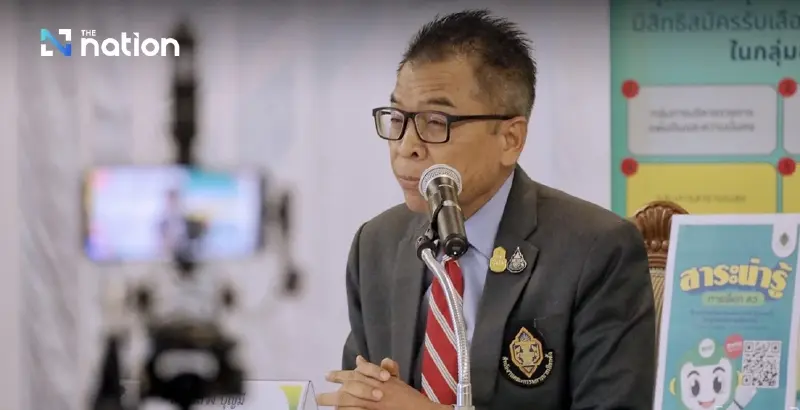


The Election Commission (EC) said on Tuesday that candidates seeking Senate seats could speak with the media, but they may not make use of this for campaigning purposes.
At a press conference at the Election Commission Office in the Chaeng Wattana government complex, EC secretary general Sawang Boonmee said Senate applicants could use their social-media accounts to introduce themselves, but they must limit their introduction to certain topics such as employment history, educational background, and basic background information such as where they live.
The EC also issued a warning to the media, saying promoting any candidate is illegal and may prompt investigations into such a candidate if he or she is involved.
Sawang said that despite this, the media remain free to report and do analysis if they refrain from singling out any candidates for endorsement.
He cited Section 107 of the Constitution that says the law intends that senators should be elected mainly on their experiences, emphasising that "the Senate should be elected from the past, not the future."
The Election Commission will allow the public and media to visit polling stations during the Senate selection process, Sawang said.
District-level voting on June 9 will be followed by provincial voting on June 16 and the final national round on June 26.
When queried about possible delays in the process, he said the election process would conclude before July 2.
Sawang said if any petitions over a candidate’s qualifications are filed to a court, the Supreme Court needs to rule on the case one day before election day.
