
EC urges govt to submit referendum questions no later than Jan 13
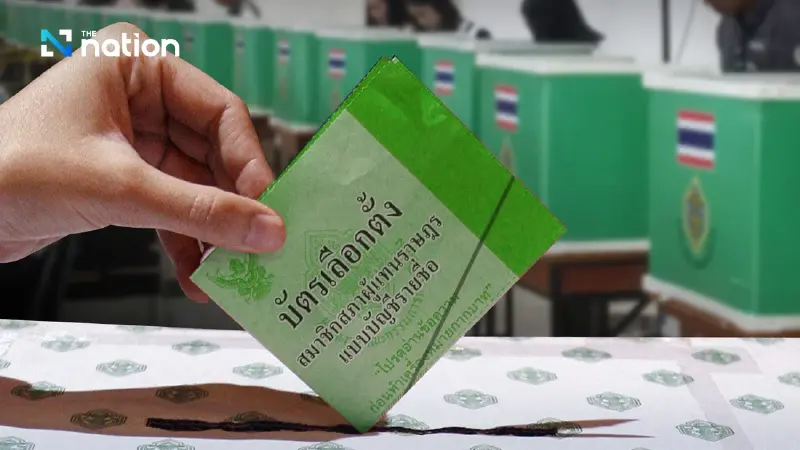


The Election Commission urges the government to submit referendum questions by Jan 13 to ensure they align with the general election on March 29.
- The Election Commission (EC) has set a January 13 deadline for the government to submit referendum questions.
- This deadline is required to give the EC a minimum of 75 days to prepare for holding the referendums concurrently with the general election on March 29.
- Receiving the questions is crucial for the EC to finalize logistical details, including the number of ballots and vote-counting procedures.
- The referendums are expected to cover topics such as rewriting the constitution and the establishment of a charter drafting assembly.
EC Office Ready for General Election and Referendums
The Election Commission (EC) has announced its readiness to hold the next general election alongside referendums on charter amendments and border accords. However, the EC has stated that the referendum questions must be submitted by January 13 to ensure the referendums can be held on the same day as the general election on March 29.
75-Day Preparation Period for Referendums
EC Office Secretary-General Sawaeng Boonmee explained that the EC would need at least 75 days to prepare for the referendums. This timeframe is necessary for disseminating information about the referendum questions, creating public understanding, and allowing opposing sides to express their views publicly.

Although the law allows for a 60-day preparation period, Sawaeng stated that it would be too tight to adequately prepare. He stressed the importance of at least 75 days for the EC to ensure equality for all parties involved.
Details on the Referendum Questions and Voting Logistics
Sawaeng mentioned that the EC was still unclear on the number of referendum questions, which will affect decisions regarding the number of ballots, the boards for vote tallies, and the time required for vote counting. If multiple questions are asked, the EC will need several sets of vote-counting boards. To reduce workload and save costs, the EC suggests combining the questions into a single ballot.

The government plans to hold referendums on whether the new constitution should be rewritten and whether a new charter drafting assembly should be established. A referendum on the potential ending of the Memorandum of Understanding (MOU) on land border demarcation (MOU43) and maritime territory disputes (MOU44) may also be held, depending on an ongoing study by a special House committee.
Voting Preparation and Budget Concerns
The EC Office plans to use the same colours for ballots across different election types and referendums to prevent voters from mistakenly dropping their ballots into the wrong boxes. Sawaeng also stated that ballot counting would begin simultaneously for all elections, with preliminary results expected by 11 pm.
Thai expatriates will be able to participate in the referendum, but they will need to vote in advance for the general election and on the same day for the referendum. The Foreign Ministry will oversee voting by expatriates.
Sawaeng added that the election and referendums would require a significant budget increase, as the number of polling stations would rise from 90,000 to 120,000 to accommodate 53 million eligible voters.
Ninety percent of the budget will be allocated to the field to ensure convenience and uphold voting transparency.
Voting Rehearsals and Budget Savings
The EC plans to conduct a voting rehearsal, including mock voting stations to practice ballot dropping, vote counting, and result reporting. Sawaeng reiterated that combining the referendum questions into one ballot could save up to 55 million baht and reduce voter confusion.
Holding the referendums on the same day as the election is expected to increase voter turnout. The previous election had a 75% turnout, while the last referendum only saw a 60% turnout.
Meeting with the Prime Minister
Sawaeng mentioned that the EC would hold one or two more meetings with the prime minister before finalising the details for the election and referendums.
