
UNESCO listing drives year-round tourism in Nakhon Si Thammarat
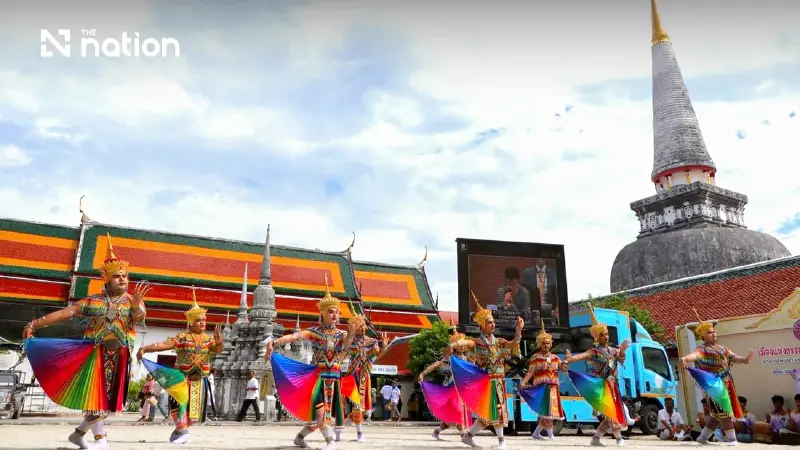


TAT has launched a 12-month cultural campaign in Nakhon Si Thammarat after Wat Phra Mahathat Woramahawihan joined UNESCO’s World Heritage List.
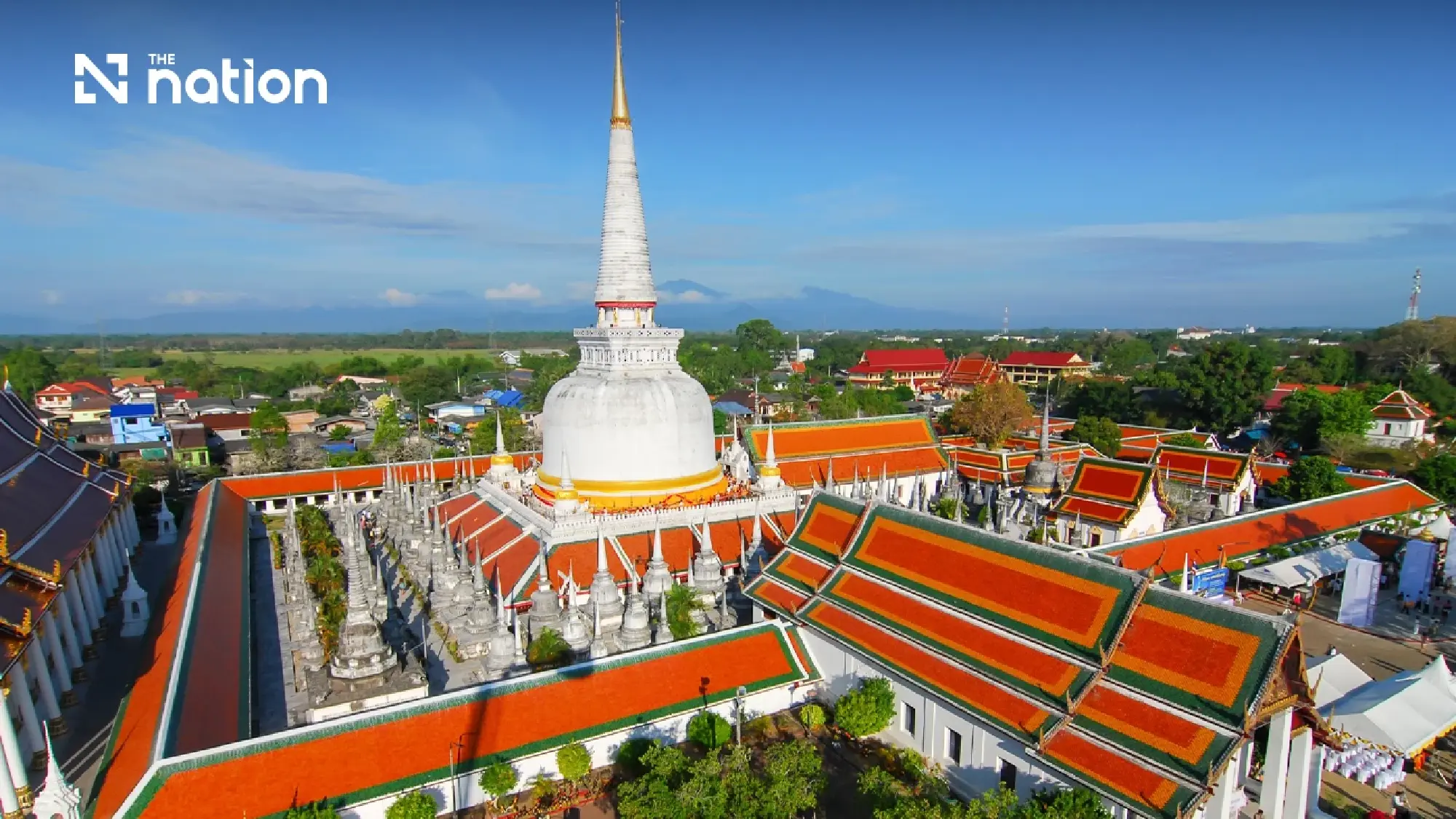
The Tourism Authority of Thailand (TAT) has launched a year-round cultural tourism campaign around Wat Phra Mahathat Woramahawihan after the Nakhon Si Thammarat temple was inscribed on UNESCO’s World Heritage List.
The “12 Auspicious Mysteries of the World Heritage City” campaign will invite visitors to explore the temple’s architecture, Buddhist symbolism and local wisdom through a different theme each month.
TAT Governor Thapanee Kiatphaibool said the campaign would present the temple as “living heritage” and build Nakhon Si Thammarat’s profile as an international destination for cultural and faith-based tourism.

Twelve months of faith, architecture and tradition
Under the theme “Travel through 12 months, visit the World Heritage stupa: decode 12 auspicious mysteries and experience living heritage”, the campaign will draw attention to stories, religious teachings and architectural details found throughout the royal temple.
Each monthly “mystery” is intended to offer visitors a different way to experience the site across the seasons. TAT expects the programme to expand cultural tourism, add value to the provincial economy and introduce Nakhon Si Thammarat’s religious and artistic heritage to a wider international audience.

UNESCO recognition follows a long nomination process
The World Heritage Committee approved the inscription on July 25, 2026, at its 48th session in Busan, South Korea, following a recommendation by the International Council on Monuments and Sites.
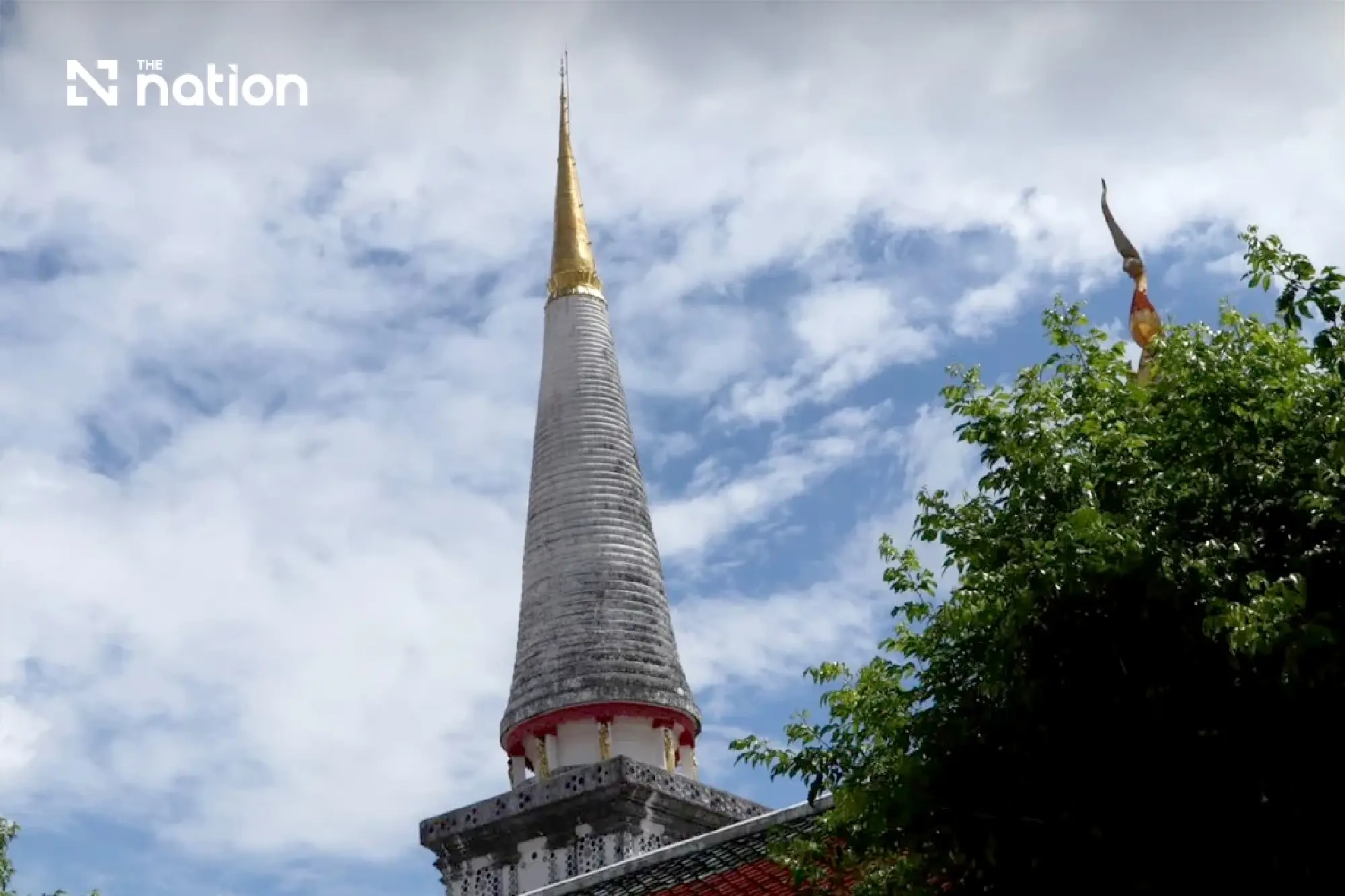
The temple had been on UNESCO’s tentative list since 2012 and was formally nominated by Thailand in 2025. It was inscribed under criteria (ii) and (vi), recognising its role in cultural exchanges and its enduring association with religious beliefs and living traditions.
It is Thailand’s ninth World Heritage Site, sixth cultural property and the first World Heritage Site in the country’s southern region.
UNESCO describes Wat Phra Mahathat Woramahawihan as a major regional Buddhist centre since the eighth century. Its religious buildings and traditions reflect influences carried through maritime networks linking southern Thailand with India, Java, Sri Lanka and the Mon region of southern Myanmar.
Living traditions associated with the temple include the annual ceremony in which devotees carry cloth to wrap around the Great Reliquary, as well as the southern Nora dance drama.

Celebrations combine culture, worship and digital experiences
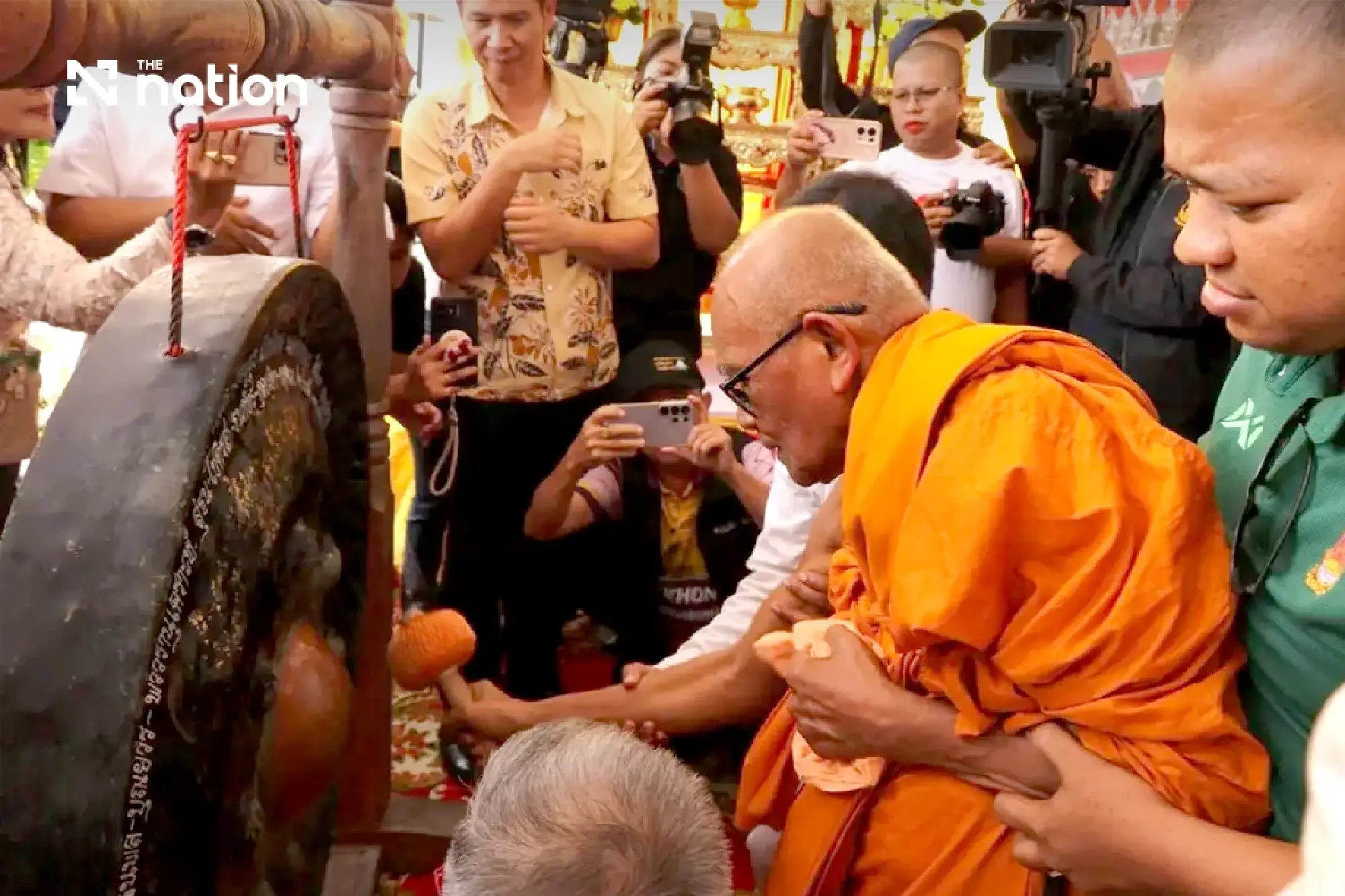
TAT, provincial authorities and local partners are marking the inscription with celebrations running through July 30 at Wat Phra Mahathat Woramahawihan.
The programme includes Nora and khon performances, alms-giving, chanting, meditation, exhibitions and ordination ceremonies dedicated as acts of Buddhist devotion. The cultural performances and religious activities were held principally on July 26 and 27.

Photo-booth activities are available from July 25–30 near the sacred Bodhi tree and at the Lan Sai Kaeo courtyard. Visitors can record the historic occasion, receive commemorative images and share their experiences through digital media.
Once the celebrations conclude, the 12-month campaign will continue to present a different story, symbol or architectural feature from the temple, keeping Wat Phra Mahathat Woramahawihan at the centre of Nakhon Si Thammarat’s cultural tourism calendar.

