
US hikes visa fee to $442, among world’s highest, deepening tourism slump
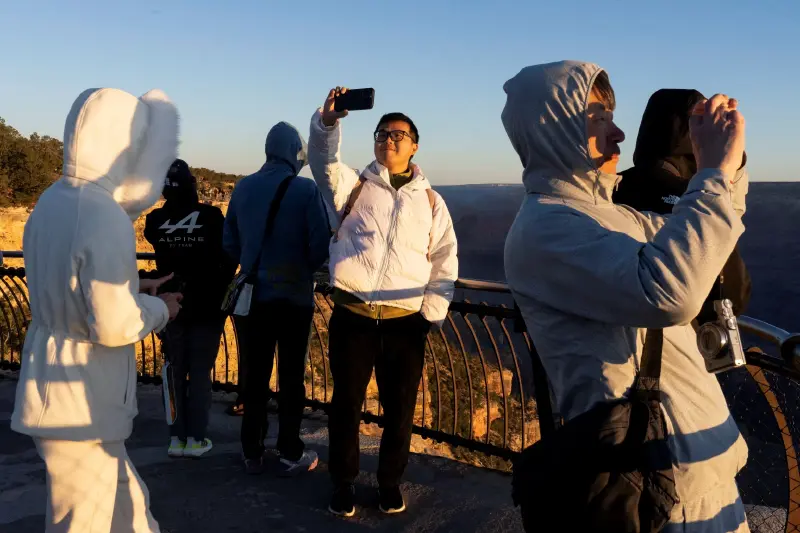


A new US$250 charge on visa applications, branded a “visa integrity fee,” is set to deepen the woes of America’s inbound tourism sector, already battered by declining visitor numbers under President Donald Trump’s hard-line immigration policies.
Official data show international arrivals to the United States dropped 3.1% in July compared with last year, totalling 19.2 million. It marks the fifth monthly decline in 2025, undermining earlier forecasts that inbound visits would finally exceed the pre-pandemic benchmark of 79.4 million.
The additional levy, which takes effect on October 1, will apply to travellers from non-visa waiver nations such as Mexico, Argentina, Brazil, India and China. Once added, the full cost of a US visa will reach US$442, among the world’s most expensive, according to the US Travel Association.
“Every extra barrier we create in the application process risks cutting travel volumes,” warned Gabe Rizzi, president of global travel management firm Altour. “As the summer winds down, this will become a sharper issue for travel budgets and planning.”
Shrinking revenues
The World Travel & Tourism Council estimates international visitor spending in the US will slump to under US$169 billion this year, down from US$181 billion in 2024.
The fee is also likely to reinforce the negative perception of the US abroad, shaped by Trump’s curbs on immigration, sweeping tariffs and reductions in foreign aid, even as the nation prepares to host the 2026 FIFA World Cup and the 2028 Los Angeles Olympics.
In parallel, the Trump administration has floated new rules to shorten the permitted stay for student, cultural exchange and media visas, and earlier this month introduced a pilot programme requiring bonds of up to US$15,000 for certain tourist and business categories.
Forecasts by Tourism Economics, part of Oxford Economics, had projected a double-digit rise in overseas travel to the US this year. Instead, arrivals are expected to contract by 3%, said Aran Ryan, the consultancy’s director of industry studies. “This is a lasting setback, and we expect many of these obstacles to remain throughout the administration,” he noted.
Regional impacts
The fee threatens to dampen some of the rare growth markets for US travel. Visitor numbers from Mexico surged nearly 14% in the first half of 2025, while arrivals from Argentina rose 20% and Brazil 4.6%. Central America posted a 3% increase and South America 0.7%, compared with a 2.3% fall from Western Europe.
Chinese travel remains far below pre-pandemic levels, with July figures still 53% lower than in 2019. India has also seen a 2.4% decline in arrivals this year, driven largely by an 18% plunge in student numbers.
For wealthier tourists, the higher cost may simply blend into the overall expense of a US trip. “The United States has always been selective about who it admits. If you don’t meet financial requirements, getting a visa is already challenging,” said Su Shu, founder of Chengdu-based Moment Travel.
But travel agents warn the move could spark retaliation. “Many of our clients are worried about reciprocal charges being introduced by other countries in response,” said James Kitchen, owner of UK-based agency Seas 2 Day & Travel.
