
Thai Buddhist Leader Advocates for Peace and Meditation at Global Interfaith Summit
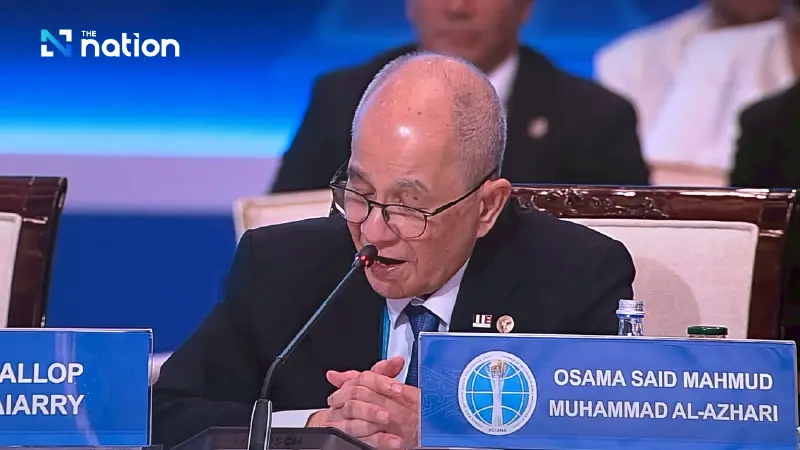


World leaders of major religions gathered in Astana, Kazakhstan, from September 17-18, for the 8th Congress of Leaders of World and Traditional Religions, held under the theme “Dialogue of Religions: Synergy for the Future.”
The meeting brought together representatives of faiths from across the globe, including a delegation from Thailand led by the World Fellowship of Buddhists (WFB).
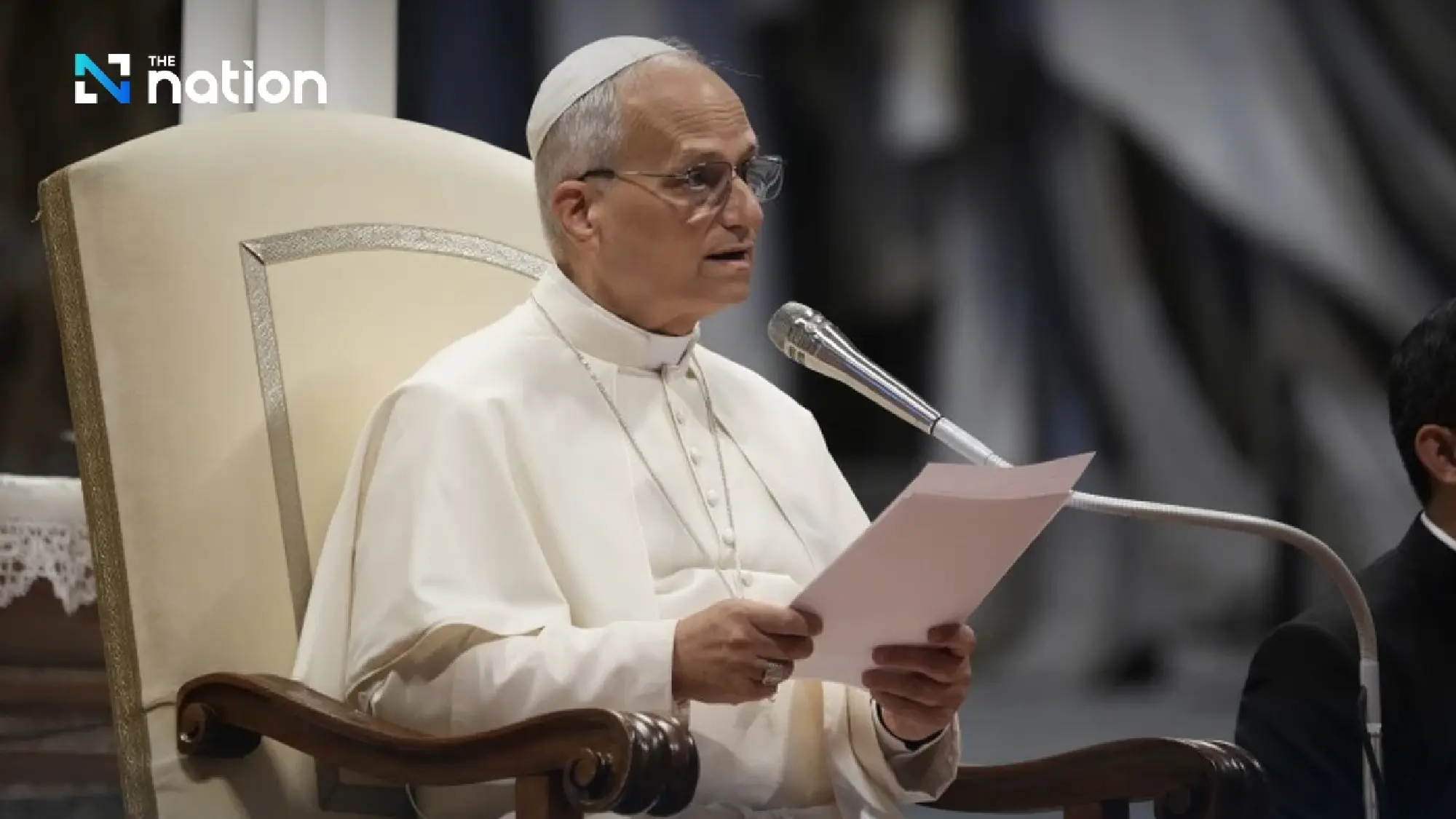

Pope Leo XIV calls for solidarity
In his welcoming address, Pope Leo XIV urged participants to see interfaith dialogue not as an option but as a necessity in an era marked by violent conflict. He praised Kazakh President Kassym-Jomart Tokayev for hosting the forum, which has become one of the world’s most significant platforms for interreligious exchange.
“Synergy means working together, with one another and with the Divine,” the Pope said. “It reflects the deeper order of reality, your shared existence as members of one human family.”

The pontiff highlighted past milestones of interfaith cooperation, including the 1986 prayer gathering in Assisi convened by Pope John Paul II and the 2019 Document on Human Fraternity signed in Abu Dhabi.
He reminded participants that faith leaders must stand united in defending human dignity, supporting the poor, and responding to crises such as natural disasters and refugee movements.
“Religion, at its core, is not a source of conflict but a wellspring of healing and reconciliation,” Pope Leo XIV declared.

Thai Buddhist voice on the global stage
Thailand’s presence was marked by the contribution of Phallop Thaiary, President of the World Fellowship of Buddhists (WFB). Founded in 1950, the WFB links Buddhist communities in more than 40 countries and has played a central role in representing Thai Buddhism internationally.
Speaking at the congress, Phallop stressed that peace must begin within the human mind. Quoting the Buddha’s teaching that “all things are preceded by the mind,” he emphasised meditation as a universal tool to dissolve hatred, greed, and fear while fostering clarity and compassion.

“Meditation requires no wealth or position, only mindfulness and breathing,” he said. “Its benefits are seen in schools, workplaces, and communities worldwide, reducing stress and building kindness.”
The WFB president underlined that global peace cannot be achieved by one tradition alone. “It requires all leaders, all faiths, and all nations working hand in hand,” he said, offering the WFB’s readiness to cooperate with other religions to reduce conflict and build understanding.


A platform for cooperation
Since its inception, the Congress of Leaders of World and Traditional Religions has served as a stage for religious leaders to engage in joint action. Participants at this year’s meeting echoed calls to reject violence, defend the vulnerable, and safeguard the environment as part of their shared responsibility.

For Thailand, the event reaffirmed the country’s role as both a Buddhist hub and an active contributor to global dialogue on peace and mutual respect.
As Pope Leo XIV concluded, synergy among faiths is not a slogan but “a powerful sign of hope for humanity,” one that points to religion’s enduring role as a bridge rather than a barrier.
