
Golestan Palace damaged by shockwaves after Tehran strike, Iranian media and UNESCO say
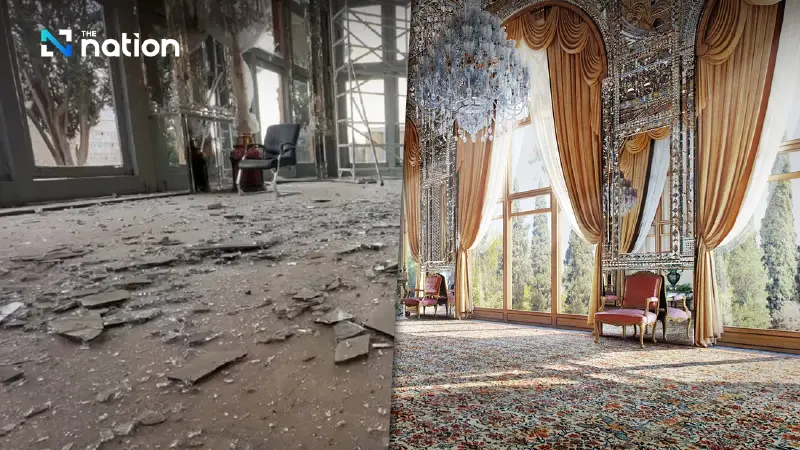


Iranian media and UNESCO say Tehran’s Golestan Palace, a World Heritage site, was damaged by debris and shockwaves after a strike on nearby Arag Square inside the site’s buffer zone, prompting Iran to prepare a formal report to UNESCO and renewed calls to protect cultural heritage during conflict.
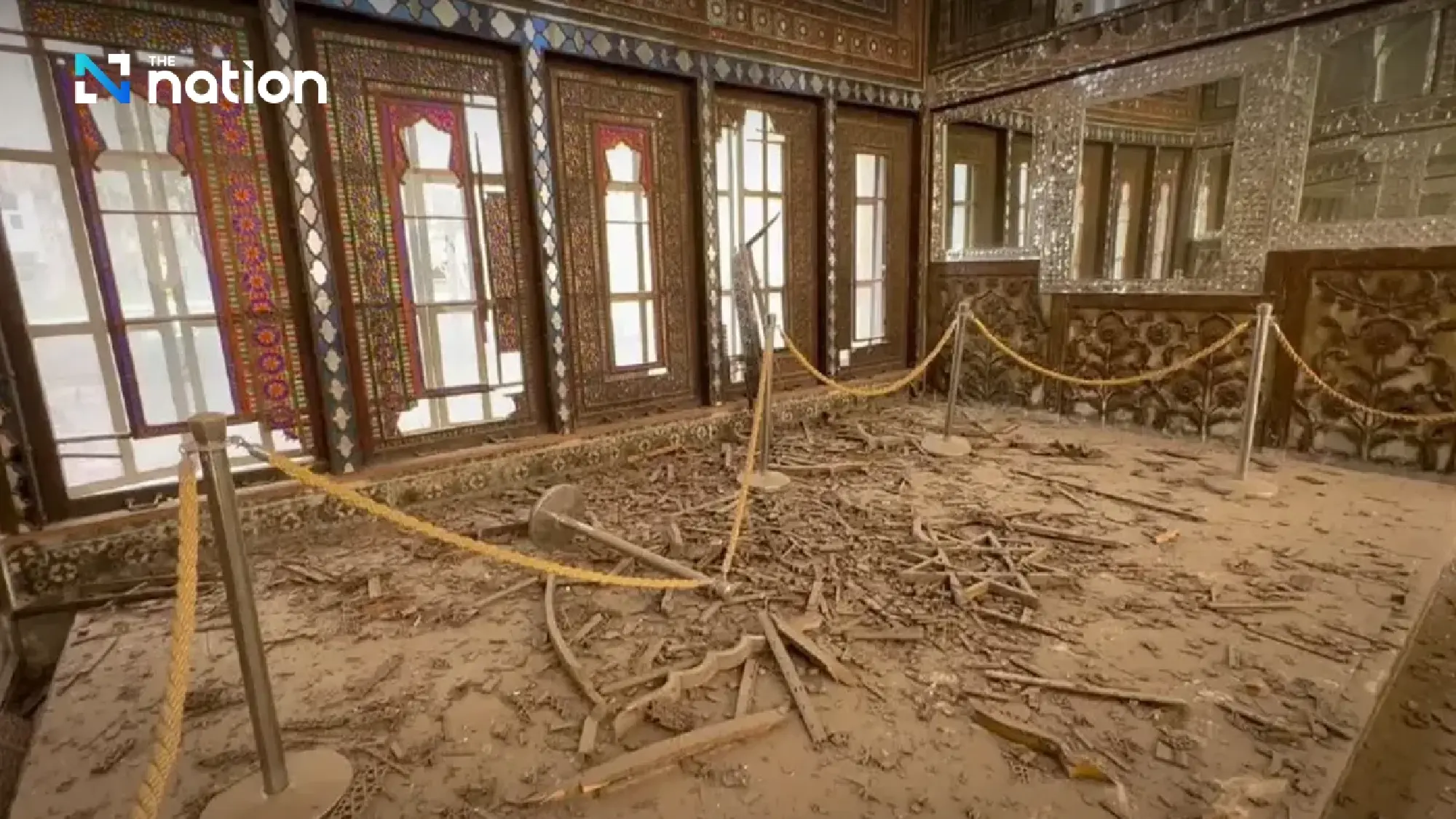
Iranian media and UNESCO have reported damage to Golestan Palace in central Tehran—one of Iran’s best-known historic complexes and a UNESCO World Heritage site—after joint US-Israeli strikes on February 28, 2026 sent debris and shockwaves through the area.
In an official statement issued on March 2, 2026, UNESCO said Golestan Palace was “reportedly damaged by debris and the shock wave” following an airstrike on Arag Square, which it described as being located inside the site’s buffer zone. UNESCO said it is monitoring the situation and reiterated that cultural property is protected under international law, including the 1954 Hague Convention and the 1972 World Heritage Convention.

What was damaged
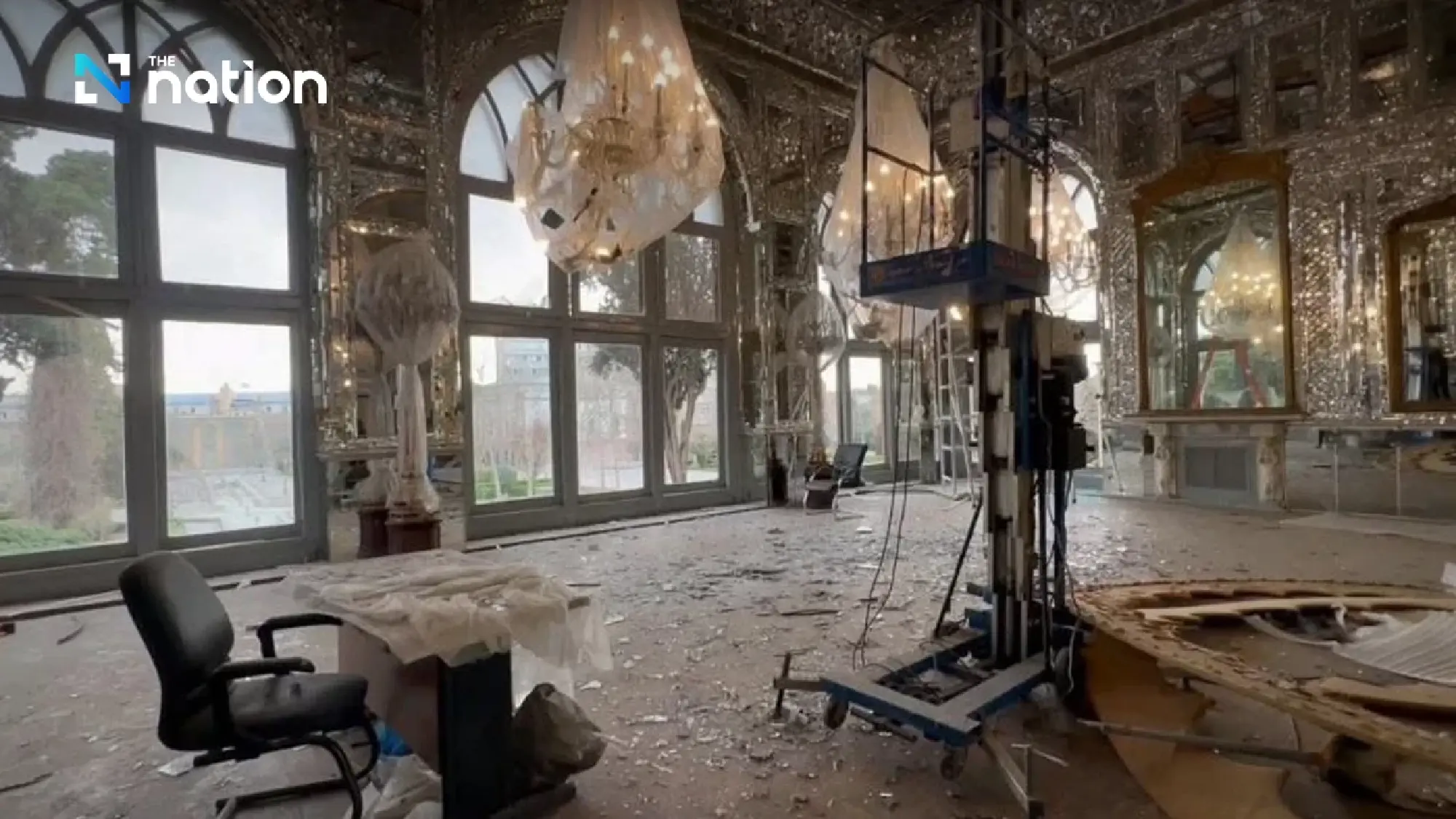
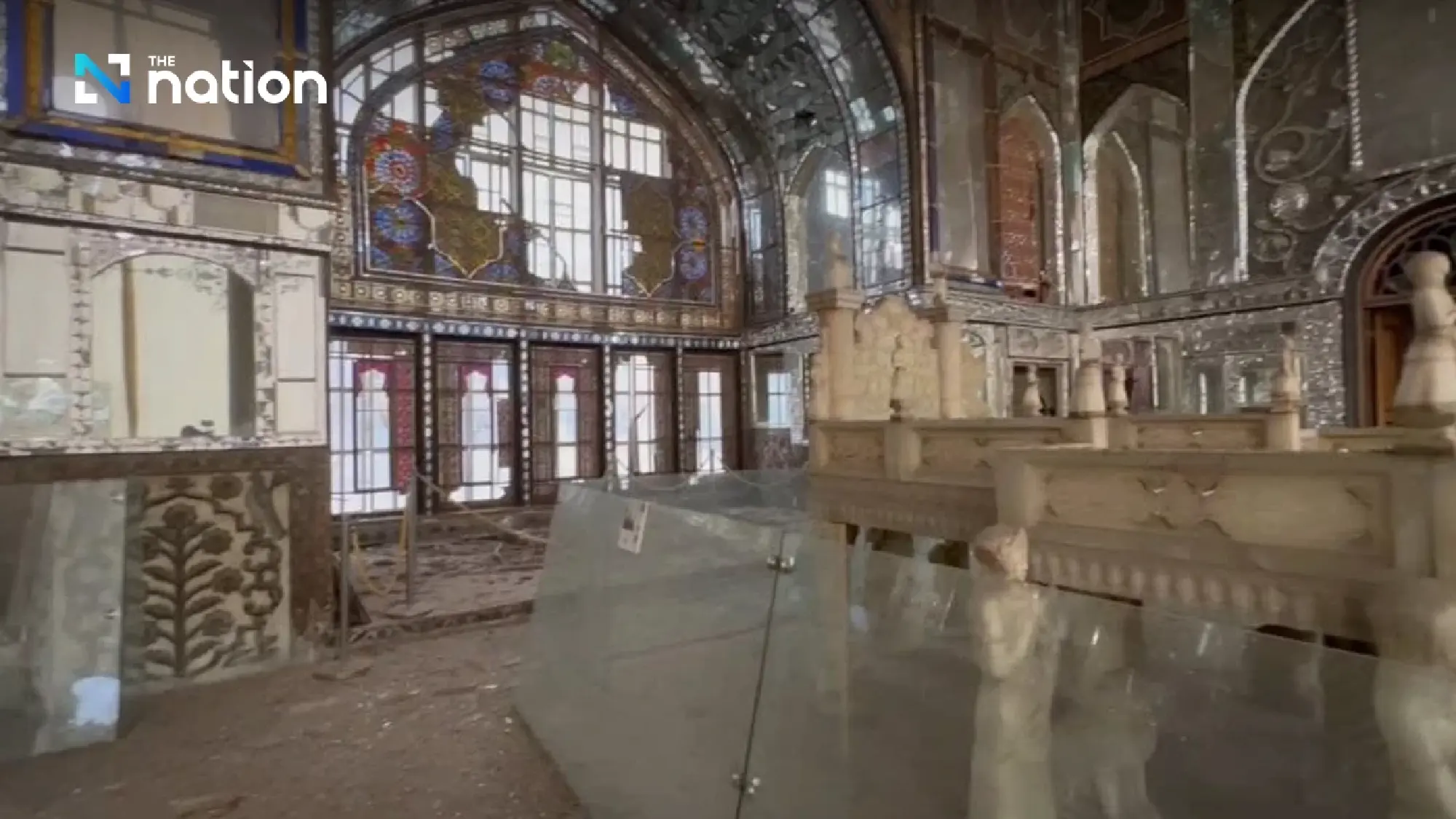
Details have varied across reports, but several Iranian outlets described damage consistent with blast reverberations—particularly to fragile architectural elements.
Asharq Al-Awsat, citing Iran’s ISNA news agency, reported that windows, doors and mirrors were hit by the reverberations of the blasts, with Mehr News Agency carrying a similar account.
Iranian-language reports also pointed to damage to traditional architectural features and decorative finishes. Coverage citing early assessments said the blast wave affected elements such as orsi-style windows, wooden doors, and sections of the complex’s intricate mirror-work—ornamentation for which Golestan Palace is especially known.
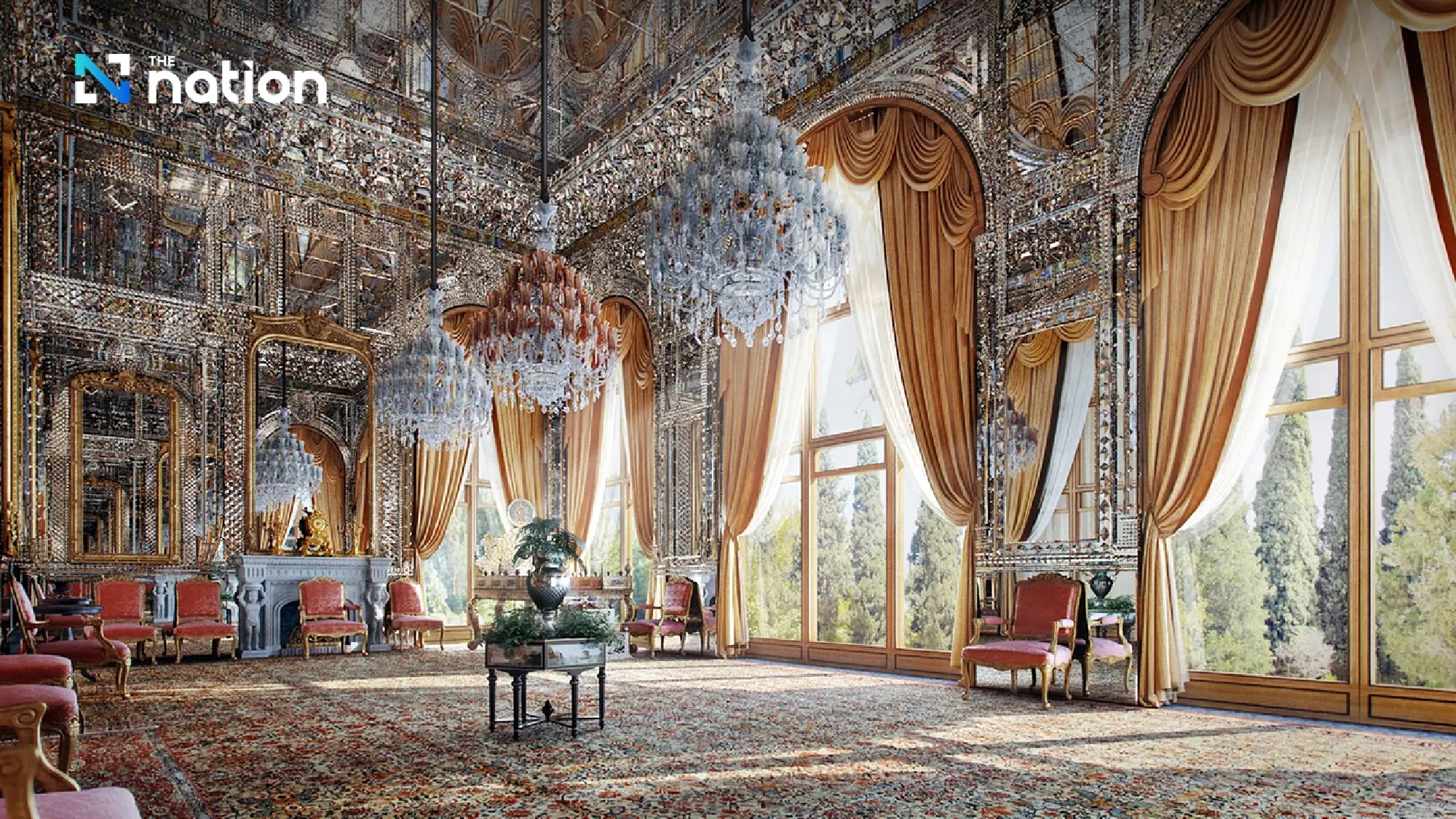
Some reports specifically mentioned the Mirror Throne Room (often referred to as the Mirror Hall / Talar-e Ayeneh) among the spaces affected by the shockwaves, though comprehensive official technical findings had not been publicly detailed at the time of the reports.

Artefacts reportedly moved before the strikes
Iranian reporting also highlighted pre-emptive steps taken to protect museum holdings inside the palace complex.
Thai Rath, summarising Iranian accounts, reported that the palace’s famed Mirror Throne room and various museum artefacts had been moved to a secure vault earlier—after January protests and during heightened tensions—reducing the risk to movable heritage even as the buildings sustained damage.
Iranian-language reporting similarly said museum items had been transferred to safer storage in earlier periods of instability, indicating that at least some protection measures were already in place before the latest escalation.

Iran: “attack on cultural and national identity”
Iran’s response has focused on both documentation of damage and a wider claim that cultural heritage sites must not be harmed during military operations.
According to Iran International, Cultural Heritage Minister Reza Salehi-Amiri visited the palace and said the damage was not only to a building but an attack on “Iran’s cultural and national identity.” He said Iran would submit a formal report to UNESCO to document the incident.
Iranian officials and state-linked messaging have also framed the episode as a violation of conventions designed to protect cultural property, arguing that the palace is a protected heritage site and not a military target.

UNESCO: coordinates shared to prevent “collateral damage”
UNESCO said it had previously communicated the geographical coordinates of all World Heritage sites, as well as sites of national significance, to the “parties concerned” in order to reduce the risk of accidental harm. The agency said it continues to monitor cultural heritage risks across Iran and the wider region as the conflict intensifies.
Background: why Golestan Palace matters
Golestan Palace was inscribed on the UNESCO World Heritage List in 2013 and is described by UNESCO as a masterpiece of the Qajar era, reflecting a synthesis of Persian craftsmanship and Western influences. The complex became the seat of government for the Qajar dynasty after it made Tehran the capital, and it remains one of the capital’s most important historic landmarks.

The palace’s buffer zone—an area around a World Heritage site intended to provide an additional layer of protection—has been central to reporting because the strike that triggered the shockwave damage was reported at Arag Square, within that zone.
The reports of damage emerged as the Middle East conflict escalated following coordinated US and Israeli strikes on Iran that began on February 28, 2026, an operation the US has called “Operation Epic Fury,” with Israel using “Operation Roaring Lion” as its codename, according to Reuters and other international reporting.

With airstrikes continuing and access conditions uncertain, independent verification of the full extent of damage inside the palace complex may take time. UNESCO and Iranian officials have indicated further assessment and documentation are expected, alongside calls to prevent additional harm to cultural heritage sites as the conflict develops.
