
Mine-Akiyoshidai designated Japan’s 11th UNESCO Global Geopark
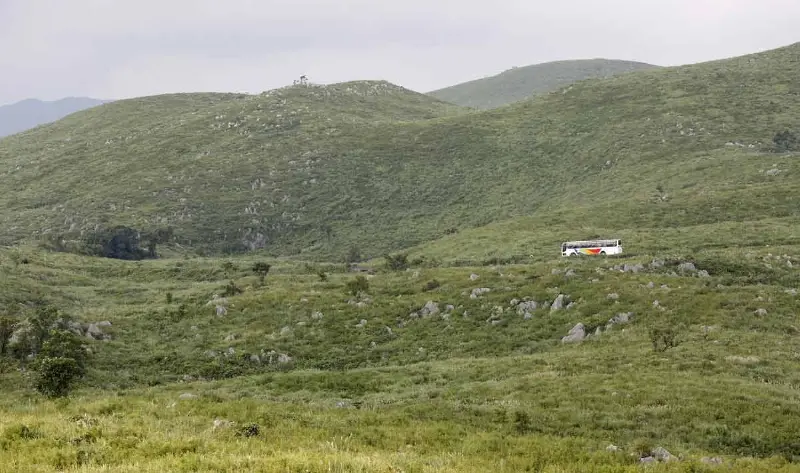


The Yamaguchi Prefecture site is recognised for its karst plateau, vast limestone cave and historic copper mine linked to Todaiji temple.
- Mine-Akiyoshidai, a karst plateau in Yamaguchi Prefecture, has been officially designated as Japan's 11th UNESCO Global Geopark.
- The geopark is recognized for its significant geological features, including the Akiyoshidai limestone plateau and Akiyoshido, one of Japan's largest limestone caves.
- The site also includes a historic copper mine from the Nara period, which supplied copper for culturally important assets like the Great Buddha statue at Todaiji temple.
Mine-Akiyoshidai, a karst plateau in western Japan, has been designated as a UNESCO Global Geopark.
The designation, decided by the executive board of the specialised U.N. agency, was announced by Japan's Ministry of Education, Culture, Sports, Science and Technology on Thursday (April 24).
UNESCO's Global Geopark program is aimed at protecting and utilising areas with outstanding geological and topographical features of international significance.
Mine-Akiyoshidai in the city of Mine in Yamaguchi Prefecture is the 11th UNESCO Global Geopark in Japan. It followed the 2023 designation of the Hakusan Tedorigawa area in the city of Hakusan, Ishikawa Prefecture, central Japan, as the nation's 10th UNESCO Global Geopark.
Mine-Akiyoshidai covers the whole of Mine, featuring the Akiyoshidai plateau, made of dissolved limestone, and Akiyoshido, one of the largest limestone caves in the country.
It also includes the site of a copper mine dating back to the Nara period in the eighth century. Copper produced at the mine played an important role in Japanese society and culture at the time, such as being used for the huge Buddha statue at the Todaiji temple in the western prefecture of Nara.
Todaiji is one of the assets comprising the Historic Monuments of Ancient Nara, a UNESCO World Heritage site.

[Copyright The Jiji Press, Ltd.]
