
Japan eyes airfare surcharge to help fund sustainable jet fuel
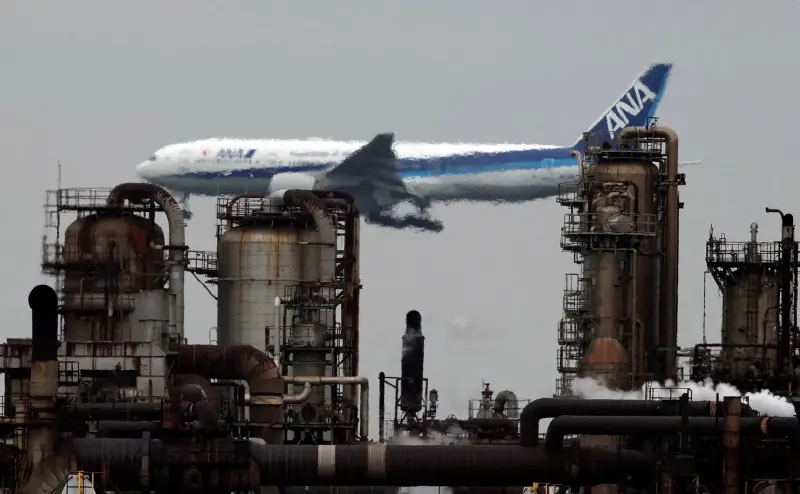


The ministry wants a new mechanism to shift part of SAF procurement costs to travellers, helping airlines meet Japan's 2030 clean fuel target.
- Japan's transport ministry plans to create a system that adds a surcharge to airfares to fund the cost of sustainable aviation fuel (SAF).
- The surcharge is being considered because SAF is more than twice as expensive as conventional jet fuel produced from crude oil.
- This initiative is part of a government goal to replace 10% of the fuel used by domestic airlines with SAF by 2030.
- The ministry plans to outline the system by this summer and implement it around 2030, looking at overseas examples like London's Heathrow Airport.
The Japanese transport ministry plans to create a system that would pass on part of the sustainable aviation fuel, or SAF, costs to air travellers.
Based on discussions by a panel of relevant experts, the ministry plans to map out an outline of the system by this summer and implement it around 2030.
SAFs are produced from wood shavings, waste cooking oil and other materials and contribute to reducing carbon dioxide emissions.
Japanese airlines have begun using SAFs for international flights. The government aims to replace 10 per cent of the aviation fuel used by domestic airlines with SAF by 2030.
As SAF prices are more than twice the prices of aviation fuels produced from crude oil, however, the ministry is considering imposing surcharges on airfares, similar to airport usage fees, to partially cover SAF procurement costs.
The ministry plans to learn from overseas examples, such as the system at London's Heathrow Airport that charges passengers and cargo owners half the price difference between SAFs and conventional aviation fuels.

[Copyright The Jiji Press, Ltd.]
