
Iran floats new proposal to US via Pakistan, seeks Hormuz reopening and delays nuclear talks
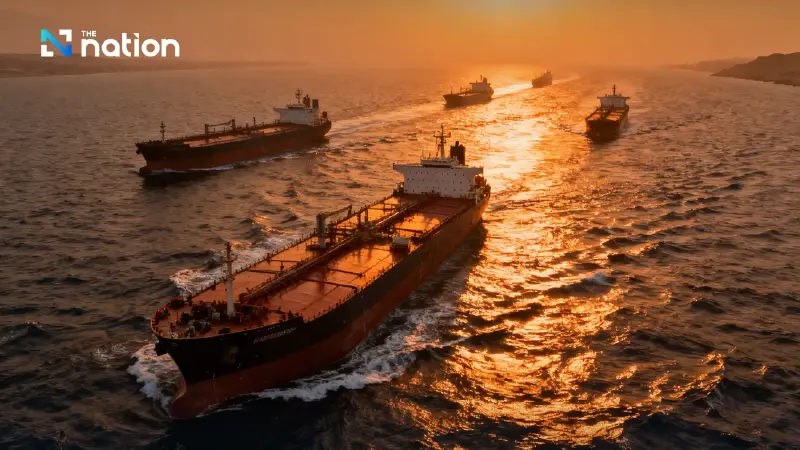


A report says Iran has offered to extend the ceasefire and reopen the Strait of Hormuz, while pushing nuclear talks to a later stage, pending the lifting of the blockade.
Iran has submitted a new proposal to the United States in an effort to end the war and reopen the Strait of Hormuz, offering to delay nuclear negotiations until later, according to the report.
The proposal was delivered via a Pakistani intermediary and includes extending the ceasefire to create space for talks on a permanent end to hostilities. Under the reported framework, nuclear negotiations would be postponed and would only resume after the United States agrees to lift the blockade affecting the Strait of Hormuz.
While the intermediary is said to have delivered the proposal to the White House, it remains unclear whether Washington will consider it. The White House has not publicly commented on the report.
Markets reacted quickly when the report surfaced during Asian trading on Monday morning. The US dollar weakened against major currencies, S&P 500 futures rose, and oil prices began to ease after earlier gains.

The latest development follows a weekend setback for diplomatic efforts after US President Donald Trump cancelled a planned Islamabad trip by senior envoys, while Iranian officials maintained that no talks could take place while Iran remained under threat.
On Saturday, Trump said the United States had received a new proposal from Iran, claiming it arrived soon after he cancelled the envoys’ trip to Pakistan.
“What’s interesting is, the moment I cancelled the trip, 10 minutes later we received a new offer that’s much better,” Trump told reporters, adding that Iran had “made many offers, but it’s still not enough”, without giving further details.
Although a ceasefire has been in place since early April, both sides have maintained pressure around the Strait of Hormuz, leaving the strategic energy corridor largely disrupted.
The International Energy Agency (IEA) has described the disruption—affecting a route that carries around one-fifth of global oil flows—as “the most severe supply crisis in history,” according to the report.
