
Peace gamble — Trump weighs Iran plan as Hormuz crisis deepens
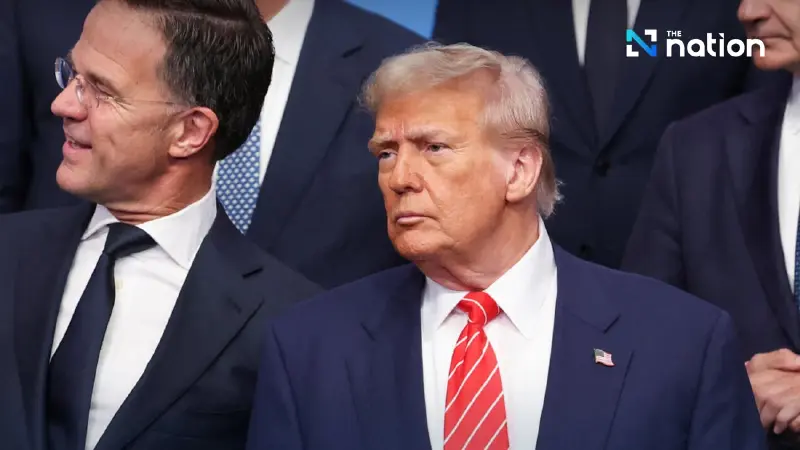


Trump reviews Iran peace proposal as Hormuz tensions disrupt global supply chains, pushing PCB prices up 40% and raising food crisis fears
The conflict involving the United States, Israel and Iran entered a critical phase on April 28, 2026, as Washington began reviewing a new peace proposal from Tehran, while the war’s economic impact spreads across global technology supply chains.
Peace proposal: shipping lanes first, nuclear talks later
The White House confirmed it had received a revised proposal from Iran via Pakistan, with key conditions including an immediate end to hostilities and the reopening of the Strait of Hormuz. Discussions on Iran’s nuclear programme would be postponed until after stability is restored.

White House press secretary Karoline Leavitt said President Donald Trump was consulting with his national security team to evaluate the proposal. However, the United States reiterated its longstanding position that Iran must not possess nuclear weapons, and that port blockades would remain in place until a clear agreement is reached.
Tehran turns to Moscow
Iranian Foreign Minister Abbas Araghchi met Russian President Vladimir Putin in St Petersburg to strengthen strategic ties and seek diplomatic backing. Araghchi said Tehran was reviewing US requests to return to negotiations and thanked Russia for its support and willingness to act as a mediator.

Tech supply shock: PCB prices surge
According to Reuters, air strikes on the Jubail petrochemical complex in Saudi Arabia earlier this month have severely disrupted the electronics industry. The facility produces key materials, including PPE used in printed circuit boards (PCBs), accounting for around 70% of global supply.
- PCB prices have surged by up to 40% within a month
- The increase is already affecting prices of consumer electronics, smartphones and computer equipment worldwide
Political pressure builds in Washington
Under the War Powers Resolution of 1973, Trump has until May 1 to seek congressional approval for continued military operations. Without authorisation, he could be legally compelled to withdraw troops. Democrats are pushing for a sixth vote aimed at ending what they describe as a “war of choice” by the president.
UN warns of global fallout
At the United Nations headquarters, Secretary-General António Guterres called for the immediate reopening of the Strait of Hormuz, warning that more than 20,000 crew members and cargo vessels are currently stranded.
The closure of the key maritime route, which carries about 20% of the world’s oil and natural gas, risks escalating into a long-term global food crisis.

Fighting continues in Lebanon
Despite diplomatic movement, violence persists on the ground. Israeli air strikes in southern Lebanon have killed at least four more people, bringing the death toll since the April 17 ceasefire announcement to over 40.
Many civilians who had returned home following the ceasefire have once again been displaced as fighting intensifies.
The situation underscores the fragile nature of diplomatic efforts, as the conflict continues to ripple across geopolitical, economic and humanitarian fronts.
