
China targets micro-dramas in nationwide content crackdown
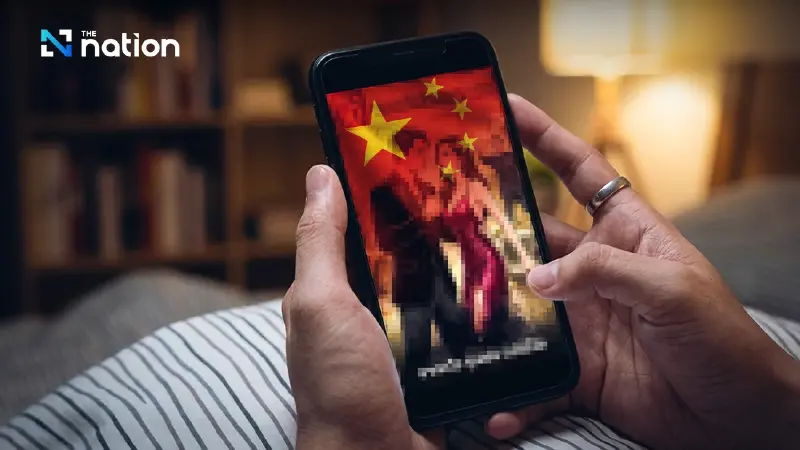


Regulators order local authorities to curb explicit, violent and wealth-flaunting plots as platforms face tighter scrutiny.
- China's National Radio and Television Administration (NRTA) has launched a nationwide crackdown on the booming micro-drama industry.
- The campaign targets content deemed harmful, including soft pornography, violent revenge plots, and excessive displays of wealth that conflict with the government's "Common Prosperity" agenda.
- Enforcement involves suspending and amending series with "toxic" material, with major platforms like WeChat and Douyin already removing such content.
China’s booming micro-drama industry is facing a sweeping new regulatory push after authorities ordered local agencies to crack down on short-form series accused of promoting harmful content, from soft pornography and violent revenge plots to excessive displays of wealth.
The National Radio and Television Administration (NRTA) has issued a forceful statement targeting the fast-growing format, which typically consists of vertical, phone-first dramas designed for mobile viewing.
The sector has become a billion-dollar global business, but regulators say some producers rely on extreme storylines, rapid-fire twists and sensational plots to keep audiences watching.
According to the NRTA, the clean-up will focus on content involving soft pornography, sexualised character portrayals, distorted views of romance, immoral relationships, forbidden love and marriages driven by personal gain.
It will also target materialist storylines, including plots built around mysterious billionaire husbands or extravagant lifestyles that are seen as out of step with current social and economic realities.
Violent revenge narratives, abuse-driven plots, feudalistic themes and storylines encouraging vigilante behaviour are also under scrutiny.
Producers specialising in slap-and-kiss melodrama, inheritance battles or brutal revenge arcs could therefore face pressure to revise their approach.
“This campaign is of great importance in building a healthy and safe content ecosystem for the micro-drama industry,” China’s media regulator said.
Local authorities are expected to carry out spot checks on production companies.
Any series judged to contain “toxic” material will have to be suspended and amended.
Major platforms, including WeChat and Douyin, the Chinese version of TikTok, have already begun removing content regarded as obscene or harmful to young audiences.
The tighter controls also align with President Xi Jinping’s “Common Prosperity” agenda, which seeks to narrow the gap between rich and poor.
In that context, dramas that glamorise extreme wealth, luxury lifestyles and excessive consumption are increasingly viewed as unwelcome by the government.
The campaign is not limited to micro-dramas.
The Cyberspace Administration of China (CAC) has also moved against online content accused of spreading “negative energy”, including defeatist messages and claims that “working hard is useless”.
The authorities want online spaces to promote more constructive, rational and positive content, particularly amid concern over youth unemployment and intense competition among young people in China.
Chinese-style micro-dramas have been expanding overseas, attracting audiences in South Korea, the United States and parts of Africa, while foreign companies have also shown interest in building studios for the format.
With Beijing now tightening censorship at home, the industry faces a key question: whether the exaggerated, melodramatic and provocative storytelling that helped make these shows popular can still hold global viewers’ attention under stricter controls.
