
US, Iran sign 14-point MoU to halt West Asia war, reopen Strait of Hormuz


Donald Trump and Masoud Pezeshkian have signed a 14-point interim MoU to halt the 15-week West Asia war, reopen the Strait of Hormuz, ease sanctions pressure on Iran and begin 60 days of negotiations on a final settlement.
US and Iran sign interim deal to end 15-week war
US President Donald Trump and Iranian President Masoud Pezeshkian have remotely signed a 14-point memorandum of understanding aimed at ending the 15-week West Asia war, reopening the Strait of Hormuz and setting the stage for 60 days of negotiations on a permanent settlement.
Reuters reported that the agreement, released on Wednesday, June 17, commits the United States, Iran and their allies to halt military operations on all fronts, including Lebanon. The document, titled the “Islamabad Memorandum of Understanding”, also defers some of the most difficult issues, including the future of Iran’s nuclear programme, to follow-up talks.
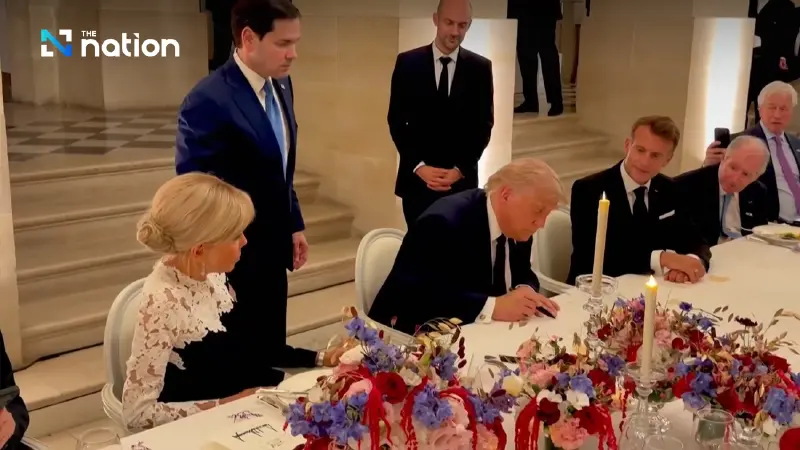
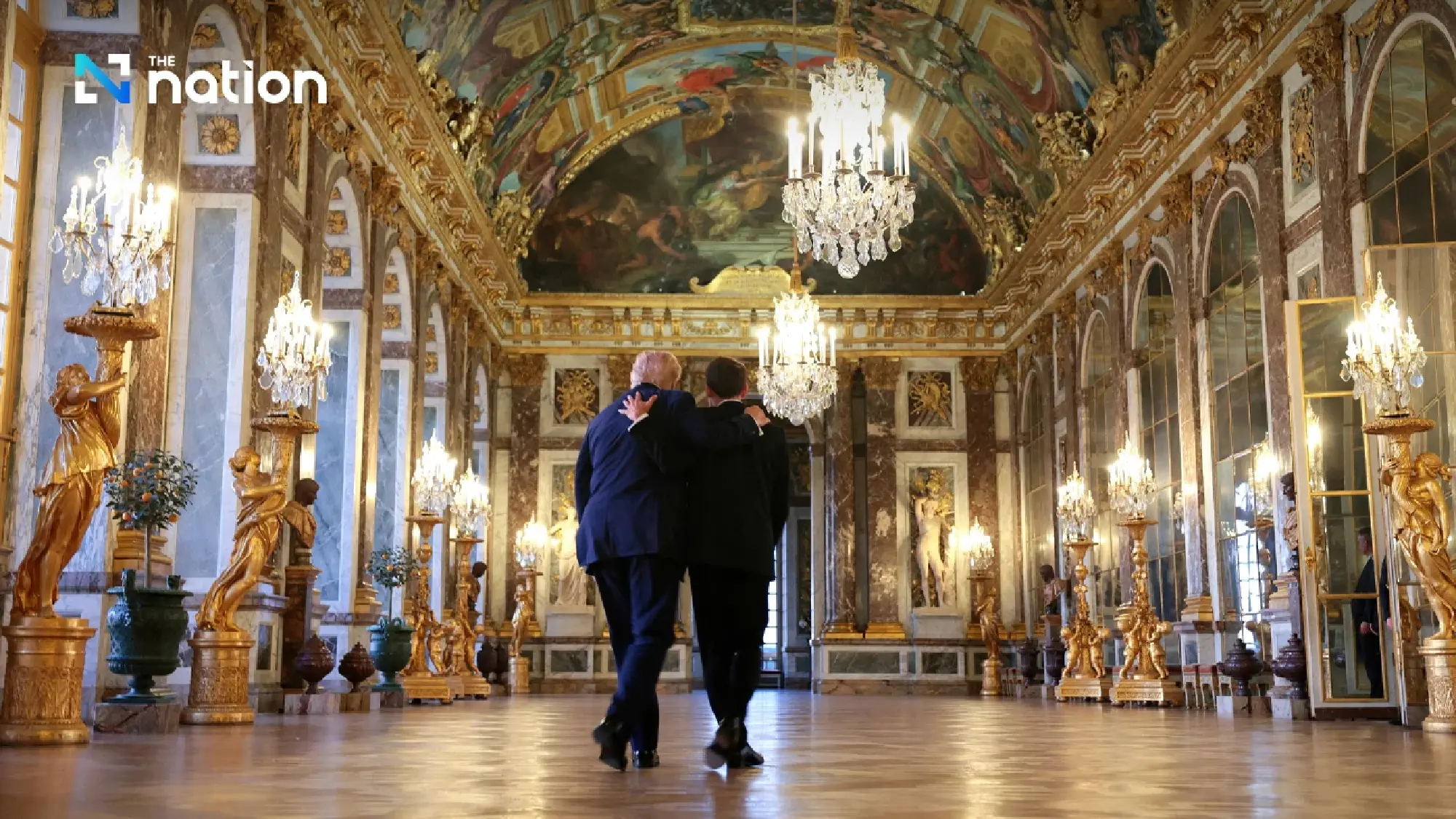
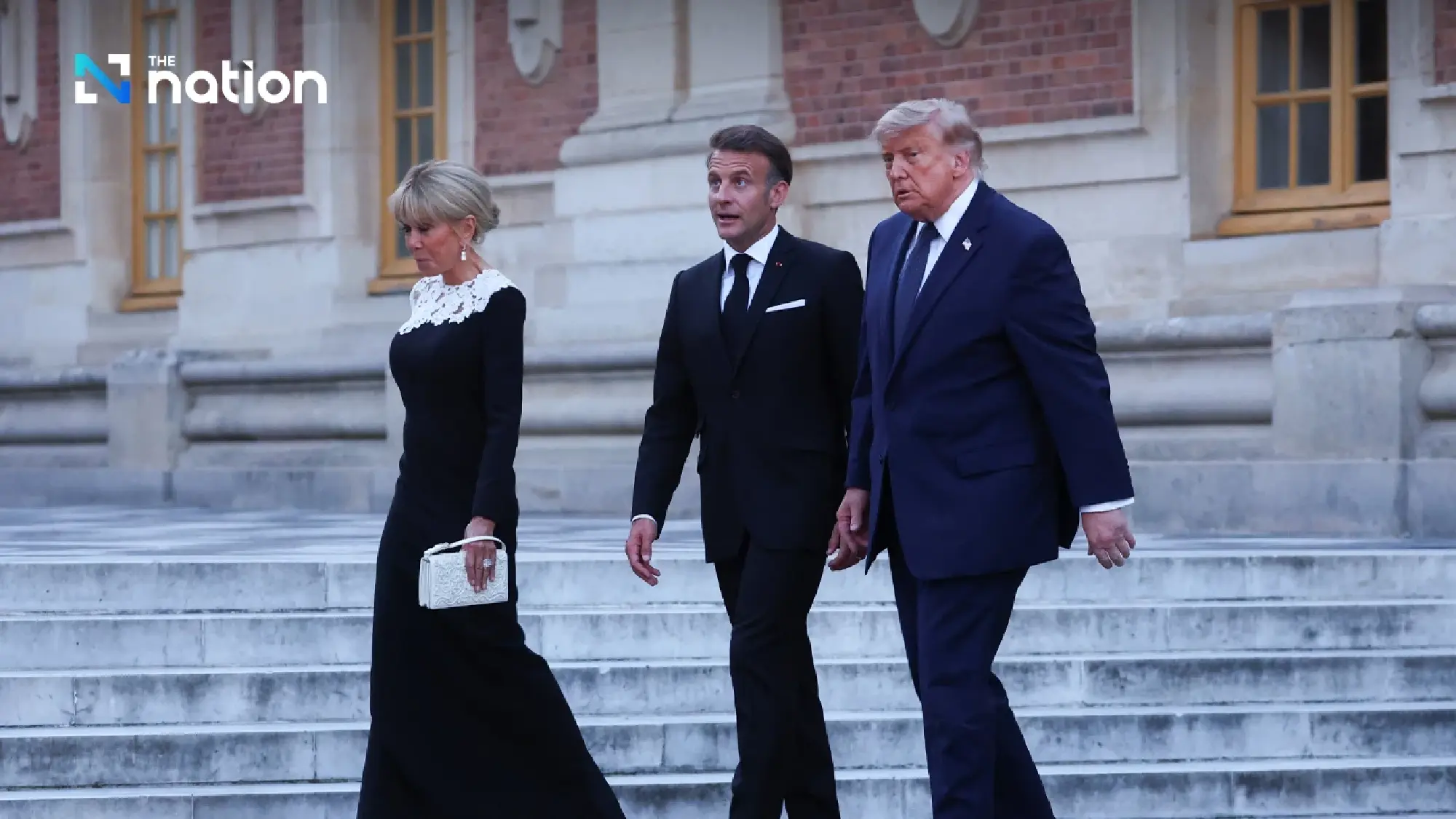
Trump signed the document while attending the G7 summit in France, shortly before a dinner hosted by French President Emmanuel Macron at the Palace of Versailles. US and Iranian officials said the two presidents digitally signed the agreement in English and Farsi, while Iran’s Foreign Ministry said the pact had entered into effect.


Ceasefire covers Lebanon and all military fronts
Under the MoU, Washington and Tehran pledge an immediate and permanent end to military operations against each other and commit not to initiate new military action. The deal also includes language on Lebanon’s territorial integrity and sovereignty, reflecting Tehran’s demand that the conflict involving Israel and Hezbollah be addressed as part of the broader settlement.
The agreement gives both sides up to 60 days, extendable by mutual consent, to negotiate a final deal. Reuters reported that the first technical negotiations are expected to focus on sequencing — which side must take which steps, and when — before the interim framework can become a binding long-term arrangement.

Hormuz reopening could ease pressure on oil markets
A central economic element of the MoU is the reopening of the Strait of Hormuz, one of the world’s most important energy shipping lanes. Iran agreed to arrange safe passage for commercial vessels through the Persian Gulf and the Gulf of Oman without charge for 60 days, while the United States agreed to begin removing its naval blockade and related restrictions on Iran.
Reuters reported that oil prices fell after the agreement raised hopes for a recovery in maritime traffic through Hormuz, with Brent crude dropping below US$80 before recovering some ground after Trump warned that the US could resume attacks if Iran failed to comply.

Sanctions relief and reconstruction fund on the table
The MoU also lays out major economic incentives for Tehran. The United States undertakes to issue waivers for Iranian crude oil, petroleum products and related services, including banking, insurance and transport. It also commits to making frozen or restricted Iranian funds available under procedures to be negotiated during the interim period.
The document says Washington will work with regional partners on a reconstruction and economic development plan worth at least US$300 billion for Iran, with the mechanism to be finalised as part of a permanent deal. It also includes a commitment to negotiate a schedule for ending sanctions, including US primary and secondary sanctions.

Nuclear issue left for difficult follow-up talks
On the nuclear issue, Iran reaffirmed that it will not develop nuclear weapons. The MoU says the two sides will agree on a mechanism for handling Iran’s enriched uranium stockpile, with on-site down-blending under International Atomic Energy Agency supervision set as the minimum approach.
However, Reuters noted that the interim agreement does not immediately dismantle Iran’s enriched uranium stockpile or missile capabilities, and does not by itself end Tehran’s support for groups such as Hezbollah. Those unresolved issues are expected to shape the next phase of negotiations.
Israel reacts with anger and warns it retains right to act
The agreement has triggered frustration in Israel, which was not part of the negotiations. Reuters reported that Israel says it retains the right to use force in Lebanon, despite the MoU’s call for a halt to hostilities there. Fresh Israeli strikes and Hezbollah drone attacks were reported in southern Lebanon after the agreement was announced.
The deal has also intensified pressure on Israeli Prime Minister Benjamin Netanyahu. Reuters reported that Trump’s decision to end the wars in Iran and Lebanon before Israel had achieved its objectives has complicated Netanyahu’s political position ahead of an expected election. Opposition leader Yair Lapid accused Netanyahu of failing to deliver victory, while Netanyahu defended Israel’s military campaign as necessary to counter the Iranian threat.
Trump also publicly urged Netanyahu to use a “softer touch” in Lebanon, saying Israel did not need to respond with overwhelming force every time it detected Hezbollah activity.
Timeline: Road to the historic signing
April 8: The United States and Iran agreed to a two-week ceasefire. However, Israel said its campaign against Hezbollah in Lebanon was not part of the US-Iran ceasefire and launched heavy strikes in Lebanon. Lebanese authorities said more than 350 people were killed.
April 11-12: Direct negotiations in Pakistan failed to produce a deal. Trump then said the US Navy would begin blockading maritime traffic entering and leaving Iranian ports, raising pressure on Tehran and threatening the fragile ceasefire.
April 14-17: Israel and Lebanon pursued ceasefire discussions, but Hezbollah’s role remained a key sticking point. Reuters later reported that hostilities continued despite a mid-April ceasefire framework, with Israeli forces and Hezbollah continuing to trade fire.
April 21: Trump extended the US ceasefire after a request from Pakistan to create space for further talks, while maintaining the blockade on Iranian ports.
June 7-8: The crisis escalated sharply. Reuters reported that Iran fired missiles at Israeli targets after an attack on Beirut’s southern suburbs, while Israel later struck military targets in western and central Iran.
June 9-10: The United States struck Iranian air defence and radar sites near the Strait of Hormuz after a US attack helicopter was downed near the strategic waterway. Iran responded with missile and drone attacks on US bases in Jordan, Kuwait and Bahrain, although a US official said there was no significant damage.
June 14: Trump and Pakistan’s Prime Minister Shehbaz Sharif signalled that a framework to end the war had been reached. Reuters reported that the preliminary agreement covered an end to the war, the reopening of Hormuz and the lifting of the US blockade, while leaving Iran’s nuclear programme for later talks.
June 17: Trump and Pezeshkian signed the 14-point MoU, turning the draft framework into an interim agreement that took effect immediately and opened a 60-day window for negotiations on a final settlement.
