
Keir Starmer quits as UK prime minister, Burnham tipped to take over
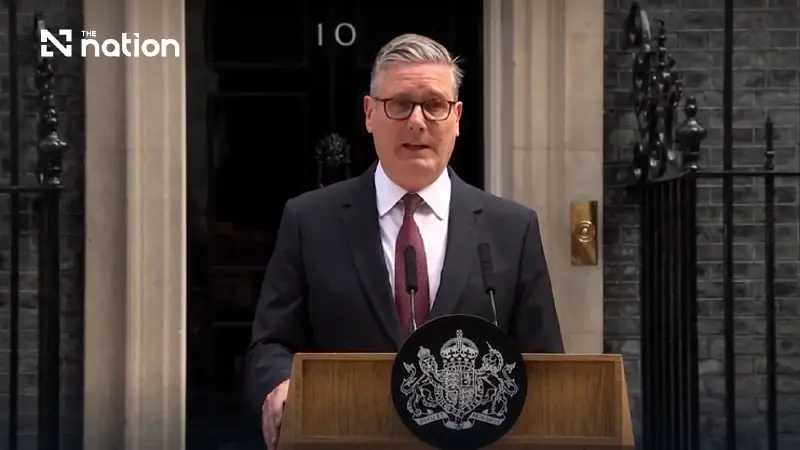


Keir Starmer has announced his resignation as UK prime minister, opening the way for Andy Burnham to become Labour leader and Britain’s seventh prime minister since the Brexit vote.
British Prime Minister Keir Starmer announced on Monday that he was resigning, paving the way for what is expected to be an orderly transfer of power to frontrunner Andy Burnham.
Starmer said he had listened to Labour MPs and accepted that he was no longer the right person to lead the party into the next general election, which is due in 2029.
The resignation could make Burnham Britain’s seventh prime minister since the 2016 Brexit referendum, underlining a decade of political turbulence in the United Kingdom.

Starmer made the announcement outside 10 Downing Street after spending the weekend considering his future with his wife, Victoria, at his official country residence.
His departure had been expected to trigger a divisive Labour leadership contest. However, several Labour MPs now expect a smoother handover, with Burnham increasingly likely to be installed without a major contest.
Burnham, 56, received a significant boost after former health minister Wes Streeting quickly backed him, removing a possible leadership challenge.
The former Greater Manchester mayor returned to Parliament after winning the Makerfield by-election in north-west England last Friday, defeating a candidate from Nigel Farage’s Reform UK, which has led opinion polls for more than a year.
Burnham entered Parliament to cheers from Labour MPs, though he also faced heckling from opposition benches. He then pledged allegiance to King Charles, a necessary step before taking his seat as an MP and becoming eligible to lead both Labour and the country.

Starmer said Labour’s organising committee would set out the timetable for choosing his successor. Nominations are expected to open on July 9 and close by mid-July.
If there is a contest, a new leader would be in place by September. If Burnham is confirmed without a contest, he could take office by mid-July.
Starmer, who was often criticised for being overly controlled in public, appeared visibly emotional as he reflected on his time in office and thanked his family for their support.
His resignation follows months of growing pressure inside Labour, as MPs became increasingly concerned about the party’s falling support and Starmer’s ability to win the next election.

The pound rose and British government bonds rallied after Streeting backed Burnham, suggesting investors welcomed the prospect of a clearer path to the next premiership.
However, a Burnham premiership would not be without risk. He has yet to set out a full policy agenda on foreign affairs, defence or the economy.
He has said Britain needs fundamental change and has pledged to reduce the cost of living, but he is expected to face tight fiscal constraints.
Britain already has the highest borrowing costs among G7 economies, due to high debt, heavy interest payments, weak long-term growth, pressure to cut spending and the need for greater investment in areas such as defence.
Farage immediately called for a national election, arguing that Britain needed real change rather than another prime minister chosen by party MPs.
The Labour government is the latest in a series of British administrations to be hit by voter anger over unmet promises of change since the Brexit vote.
If Burnham takes over, his first challenge will be to restore Labour’s political momentum while convincing voters and markets that he can deliver economic stability and renewal.
Source: Reuters
