
DRC Ebola cases top 1,000 as outbreak spreads into refugee camps
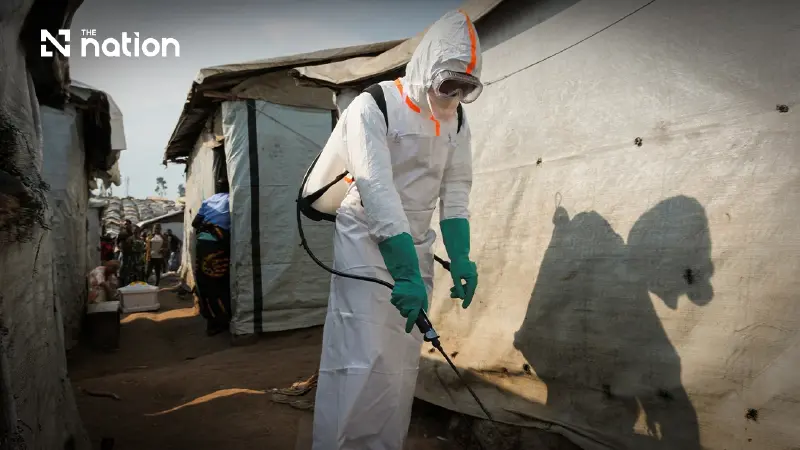


Cases in eastern DRC have passed 1,000 with 254 deaths as camps and cross-border suspected cases raise concern WHO report
- The number of confirmed Ebola cases in the eastern Democratic Republic of the Congo (DRC) has exceeded 1,000, resulting in at least 254 deaths.
- The virus has spread to at least three internally displaced persons (IDP) camps, with one camp in Bunia reporting at least 30 suspected deaths.
- This outbreak is the fastest-spreading on record for its first month and is caused by a rare, high-risk strain for which there is no approved vaccine or treatment.
- The outbreak is centered in three DRC provinces and has also spread to neighboring Uganda, where 19 linked cases have been detected.
The Centres for Disease Control and Prevention (CDC) and the World Health Organisation (WHO) have released the latest data showing that cumulative Ebola cases in eastern Democratic Republic of the Congo (DRC) have risen above 1,000 within just over a month since the declaration of an emergency.
The current outbreak is being driven by a rare and high-risk strain of the virus for which no approved vaccine or treatment is available.
The report states that the Ministry of Health in the DRC has confirmed a total of 1,003 Ebola cases, with at least 254 deaths recorded.
The cases are spread across three provinces: Ituri, North Kivu and South Kivu.

In neighbouring Uganda, 19 linked cases have also been detected.
The WHO said this represents the fastest rate of spread recorded in the first month of any Ebola outbreak, following the virus entering the urban mining hub of Bunia, where population density is high.
The most severe impact has been reported in internally displaced persons (IDP) camps, where the virus has spread to at least three sites.
At the Kigonze refugee camp in Bunia, which hosts between 15,000 and 25,000 people, at least 30 suspected deaths have been reported, including among pregnant women and children.
Living conditions in the camps remain extremely poor, with limited access to food, clean water and sanitation facilities.


The United Nations estimates that more than 320,000 displaced people are currently at high risk of infection.
Concerns have also emerged beyond Africa, with Israel reporting a second suspected Ebola case.
The patient, who recently returned from the DRC, has been placed in strict isolation at Sheba Medical Centre in Tel Aviv while laboratory testing is carried out.
This follows an earlier suspected case isolated at Rambam Hospital in Haifa, prompting increased monitoring of international travellers arriving from Central Africa at airports worldwide.

