
US pauses Iran strikes as renewed Yemen fighting widens conflict
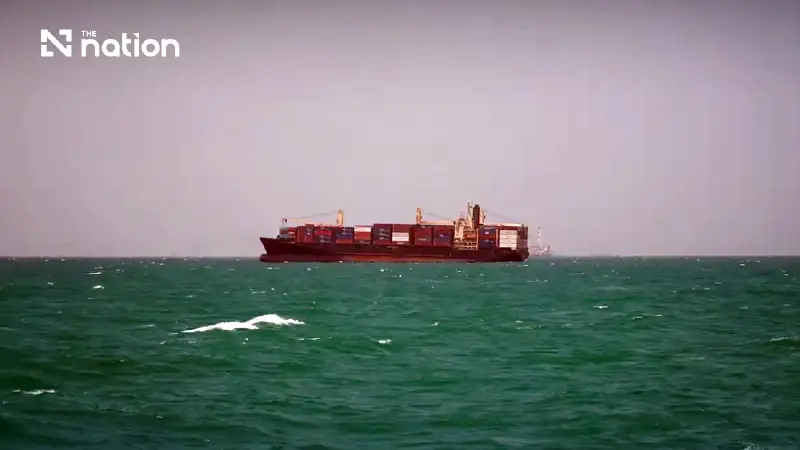


The United States paused its strikes on Iran overnight for the first time in two weeks, but attacks on Jizan and Yanbu and renewed fighting in Yemen widened regional risks.
- The US has paused a 13-night campaign of air strikes against Iran, with President Trump reportedly ordering the halt to favor a diplomatic approach.
- Coinciding with the pause, Iran-aligned Houthi rebels in Yemen widened the conflict by launching missile and drone attacks on key Saudi Arabian oil facilities.
- The Houthi attacks on Saudi ports threaten to disrupt the Red Sea oil route, expanding the conflict's impact beyond the previously affected Strait of Hormuz.
- This escalation marks the breakdown of a 2022 ceasefire in Yemen, with the Saudi-led coalition and Yemeni government forces also renewing strikes against Houthi targets.
Saudi Arabia’s Red Sea oil route came under new pressure on Saturday (July 25), when Yemen’s Iran-aligned Houthis targeted facilities at Jizan and Yanbu.
The attacks coincided with the first overnight pause in US strikes on Iran in two weeks and raised the prospect that disruption around the Strait of Hormuz could spread to another major maritime route.
At Yanbu, two ballistic missiles aimed at oil installations were intercepted by a US-made Patriot battery operated in Saudi Arabia by the Greek military under an agreement with Riyadh, Greek security sources said.
The port handles millions of barrels a day and has become Saudi Arabia’s main outlet for oil exports bypassing the Strait of Hormuz, which Iran has blockaded.
Houthi military spokesperson Yahya Saree claimed the group had struck facilities belonging to Saudi state oil company Aramco in both Jizan and Yanbu.
Footage verified by Reuters showed a large plume of smoke rising from the direction of the Aramco refinery in Jizan.
Two Asia-based trading sources said they had been informed of possible damage to fuel and oil storage sites there, while Aramco did not respond to requests for comment.

Jizan, near the Yemeni border, has a refinery with a capacity of 400,000 barrels per day.
Washington offered no immediate explanation for ending a sequence of 13 consecutive nights of intensifying strikes.
The campaign, which included attacks on targets in southern Iran, followed Iranian attacks on shipping in the Strait of Hormuz after an interim agreement intended to end hostilities collapsed two weeks earlier.
No Iranian attacks on neighbouring Gulf countries were reported on Saturday, unlike the daily retaliatory attacks that had followed US operations.
“It seems that our dear Iran had a peaceful night last night,” Iranian Health Ministry spokesperson Hossein Kermanpour wrote on X.
Axios, citing two unidentified sources familiar with the matter, reported that President Donald Trump had instructed the military on Friday not to conduct further strikes against Iran.
A senior US official told Reuters on Saturday that Trump “has always been clear that his preference is diplomacy, but he has shown Iran what will happen if they fail to come to the table in a serious way.”
Trump said on Friday that Washington and Tehran were negotiating an end to the conflict, although he maintained that Iran was not yet ready to reach an agreement.

Inside Yemen, the air force of the Saudi-backed, internationally recognised government attacked Houthi missile and drone launch sites and arms depots in Marib and al-Jawf, according to Yemeni officials.
The Saudi-led coalition also reported striking Houthi military positions in the Red Sea port of Hodeidah on Friday.
Officials said both sides were mobilising forces along the front.
Saudi Arabia has led an Arab coalition against the Houthis for more than a decade, since the Iran-aligned movement captured Sanaa.
A ceasefire in place since 2022 had largely halted Yemen’s civil war, in which hundreds of thousands of people died from fighting and famine.
However, the truce broke down this month as the Houthis entered the wider conflict following US and Israeli attacks on Iran.
The Houthis have declared a naval blockade of Saudi Arabia over the past week, while their leader, Abdul Malik al-Houthi, has warned that all Saudi oil facilities could become targets.
Trump promised “major military punishment” for Tehran and the Houthis after the group struck two Saudi tankers in the Red Sea.
Brent crude rose above US$100 a barrel this week for the first time since May.

Source: Reuters
