
Bundibugyo Ebola epidemic becomes deadliest in DR Congo history
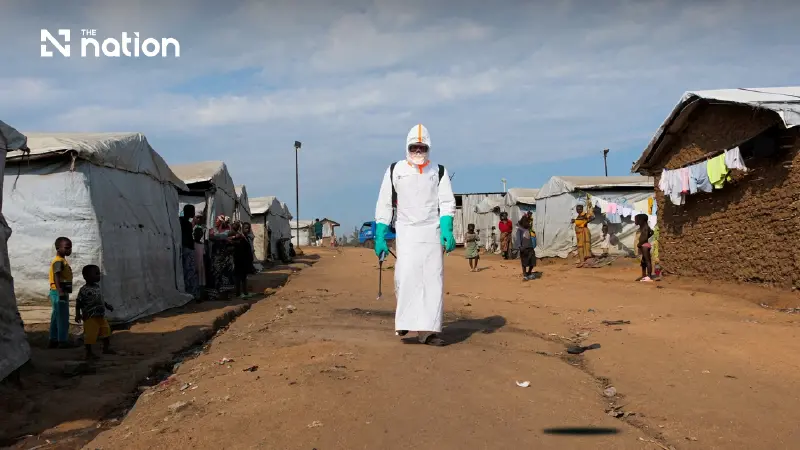


Government figures show 6,186 confirmed infections across six provinces, while weak surveillance, insecurity and community resistance hinder early detection and care.
- The Bundibugyo Ebola outbreak is now the most lethal in the Democratic Republic of the Congo's history, with 6,186 confirmed infections and 3,007 fatalities.
- The high death toll is attributed to delays in finding and treating patients, caused by gaps in disease monitoring, regional insecurity, and community resistance.
- Despite containment efforts by Congolese authorities and international organizations, the epidemic has continued to expand and now covers six provinces.
- There is currently no authorized vaccine or therapy specifically for the Bundibugyo strain of Ebola, which complicates treatment and prevention efforts.
With 6,186 confirmed infections and 3,007 fatalities, the Bundibugyo Ebola crisis now stands as the most extensive and lethal outbreak ever recorded in the Democratic Republic of the Congo (DRC).
The latest totals, issued by the government on Wednesday (September 2), place the current emergency above the country’s 2018-2020 epidemic.
Finding infected people soon enough for prompt treatment remains difficult.
Specialists attribute the delays to gaps in disease monitoring, insecurity and resistance within communities.

The World Health Organisation (WHO) puts the proportion of fatalities occurring away from treatment centres at about 60%, pointing to major obstacles in recognising cases before the illness proves fatal.
The official declaration was made in Ituri province on May 15.
Some health officials and experts, however, believe transmission could date back to January.
The outbreak has continued expanding through the north-east and now covers six provinces, despite containment operations involving Congolese authorities, WHO and relief organisations.

In historical terms, the DRC crisis is surpassed only by the West African Ebola epidemic of 2014-2016.
Guinea, Liberia and Sierra Leone together recorded a case total above 28,600 and more than 11,000 deaths during that emergency.
No vaccine or therapy has yet been authorised for Bundibugyo, although candidates are being developed by the University of Oxford and the International AIDS Vaccine Initiative (IAVI), among others.
Frontline health workers recently began receiving Merck’s Ervebo vaccine from Congolese authorities.
Its licence applies to the Zaire species of Ebola, but the product is thought to confer a degree of cross-protection against Bundibugyo.
Source: Reuters
