
Oxford vaccinates first volunteer in Bundibugyo Ebola vaccine trial
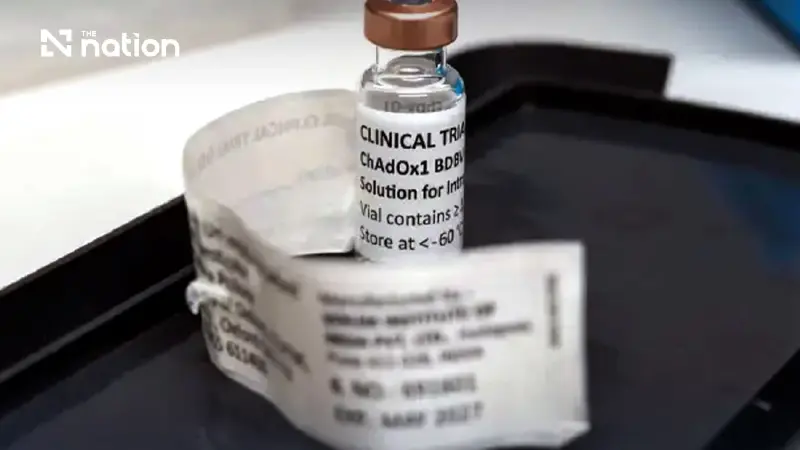


The BD-Ebov team will recruit more volunteers and monitor safety and immune responses after the first ChAdOx1 BDBV dose was administered.
- The University of Oxford has administered the first dose of its ChAdOx1 BDBV vaccine to a volunteer in a first-in-human clinical trial targeting the Bundibugyo ebolavirus.
- The vaccine candidate was developed using the same ChAdOx1 platform technology as the Oxford/AstraZeneca COVID-19 vaccine.
- Developed in partnership with the Serum Institute of India, which has already produced 4,000 doses for the trial and has 620,000 in reserve for potential future use.
- If early results are positive, further clinical studies are planned in Uganda to gather data for emergency use authorization.
The University of Oxford has announced that the first volunteer has received the ChAdOx1 BDBV vaccine candidate in a first-in-human clinical trial of a vaccine against Bundibugyo ebolavirus.
The milestone came just weeks after the BD-Ebov study began.
The research team will continue recruiting and vaccinating more volunteers and will monitor safety and immune responses over the coming months.
DRC reports 2,905 confirmed Ebola cases
Data reported by the Democratic Republic of the Congo (DRC) on Thursday (July 23, 2026), covering figures through Wednesday (July 22, 2026), showed 2,905 confirmed Ebola cases.
Of these, 1,269 people had died, 519 had recovered, and another 722 remained in isolation and under treatment.
However, the sharp increase in the cumulative total did not represent new infections alone.
It partly resulted from a review and adjustment of patient records from Ituri and North Kivu to align them with the national database, bringing previously unrecorded cases into the total.

Same platform as Oxford/AstraZeneca COVID-19 vaccine
The ChAdOx1 BDBV vaccine was developed by the University of Oxford’s Oxford Vaccine Group and Pandemic Sciences Institute using the same platform technology as the Oxford/AstraZeneca COVID-19 vaccine.
Collaboration between the University of Oxford’s Clinical BioManufacturing Facility and the Serum Institute of India moved the vaccine from concept to clinical testing in just eight weeks, the research team said.
The trial received funding from the Coalition for Epidemic Preparedness Innovations (CEPI) under a US$8.6 million programme to accelerate the development of a vaccine against Bundibugyo ebolavirus.
Serum Institute holds 620,000 doses in reserve
The Serum Institute of India produced about 620,000 doses of ChAdOx1 BDBV within two weeks and placed them in reserve for possible future use, while supplying 4,000 doses for the trial.
Adar Poonawalla, chief executive of the Serum Institute of India, said the rapid production highlighted the importance of preparedness, scientific innovation and large-scale manufacturing capacity in responding to emerging infectious diseases.
Further clinical studies planned in Uganda
The University of Oxford is preparing further clinical studies with partners in Uganda, subject to regulatory approval.
If the early-stage trial results are satisfactory, CEPI would work with the University of Oxford and the Serum Institute of India to support late-stage trials and gather data for emergency use authorisation or formal registration.
Richard Hatchett, CEPI’s chief executive, said the outbreak in the DRC was showing no sign of ending and infection numbers were rising at a worrying rate, making the need for a vaccine specifically targeting Bundibugyo ebolavirus increasingly urgent.
