
Nepal reports fatalities amid landslides and an avalanche on Himlung
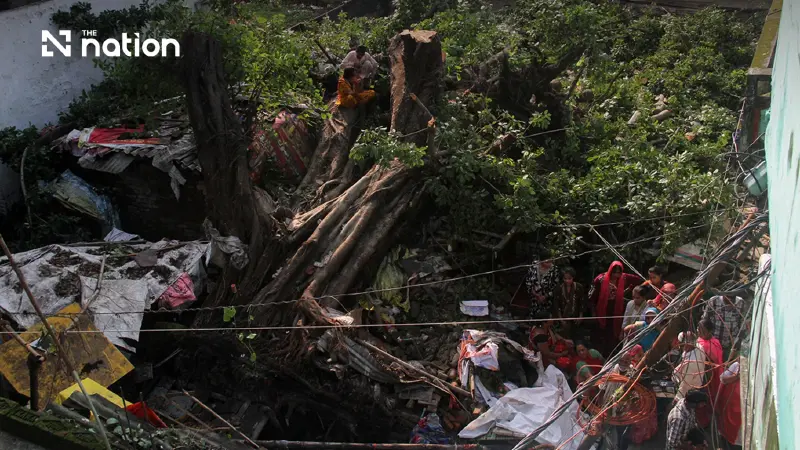


Floods and landslides have affected more than 700 households across Nepal after days of heavy rain, with at least 24 deaths reported.
- An avalanche on Mount Himlung has swept away at least 12 people, prompting an urgent search and rescue operation.
- Widespread landslides and flash floods, triggered by heavy rains, have resulted in more than 20 fatalities and left over 10 people missing across the country.
- Scientists attribute the severity of these events to a "compound crisis" driven by global warming, which is causing glaciers to retreat and permafrost to thaw, destabilizing the region.
Rescuers in Nepal are urgently searching for at least 12 people swept away by an avalanche during severe weather on Mount Himlung, a 7,126-metre peak in Manang district.
At least 10 people have so far been rescued alive.
Heavy rain over several consecutive days has softened soil on mountain slopes, triggering landslides that caused many homes and buildings to subside, collapse and be swept away.
Flash floods have also hit several areas, with more than 700 households affected and at least 24 deaths reported.

The National Disaster Risk Reduction and Management Authority (NDRRMA) has issued a nationwide severe weather warning, reporting more than 20 deaths and more than 10 people still missing in several areas.
Nepal is also still recovering from a disaster on Wednesday (August 26, 2026) that killed more than 1,400 people.
Rapid thawing of permafrost, or permanently frozen ground, caused rock faces and huge glaciers to collapse and mix with soil and stones, sending a wall of mud through a town in Nuwakot district.
World Weather Attribution (WWA), an international scientific collaboration, described the events as a “compound crisis”.
It said long-term global warming was causing glaciers to retreat, permafrost to thaw, and the ground to become less stable, making disasters in the Himalayas more frequent and severe.
