
Japan plans manga and anime push to strengthen soft power diplomacy


Japan’s Foreign Ministry has requested 1.83 billion yen for fiscal 2027 to promote cultural content and develop Japanese-language professionals abroad.
- Japan is launching a soft power initiative using popular manga and anime to increase its international influence, specifically targeting emerging nations in the Global South.
- The strategy includes organizing anime-song concerts, developing Japanese conversation apps with manga characters, and providing support for overseas translators to promote cultural understanding.
- Driven partly by a desire to counter China's growing presence, Japan's Ministry of Foreign Affairs has requested a 1.83 billion yen budget for the project for fiscal year 2027.
Anime-song concerts, conversation apps featuring manga characters and support for translators are part of Japan’s plans to expand soft power diplomacy, with the aim of attracting more fans in emerging and developing countries of the Global South and increasing its international influence.
China’s growing presence in the Global South is driving the initiative.
Tokyo wants to use the worldwide popularity of Japanese works, including “One Piece” and “Jujutsu Kaisen”, to attract people in emerging countries.
Helping foreign audiences gain an accurate understanding of Japan’s cultural background is another objective.
Japan’s Ministry of Foreign Affairs plans to develop Japanese-language translators overseas as part of that effort.
The proposed measures would give translators opportunities to meet representatives of Japanese publishers.
The ministry also plans to create apps featuring manga characters for Japanese conversation.
To support the broader programme, the ministry has requested 1.83 billion yen from the government’s fiscal 2027 budget.
The financial year starts in April 2027, and the requested funding covers promotion of Japanese manga, anime, music and films, together with the development of Japanese-language professionals abroad.
“We want to have more people know Japanese manga and anime works, and want to have more people take positively what Japan says,” a senior ministry official said.
The government’s growth strategy includes cultural content among 17 priority investment areas.
This has enabled the ministry to “deploy diplomacy centering around content on a larger scale”, the official said.
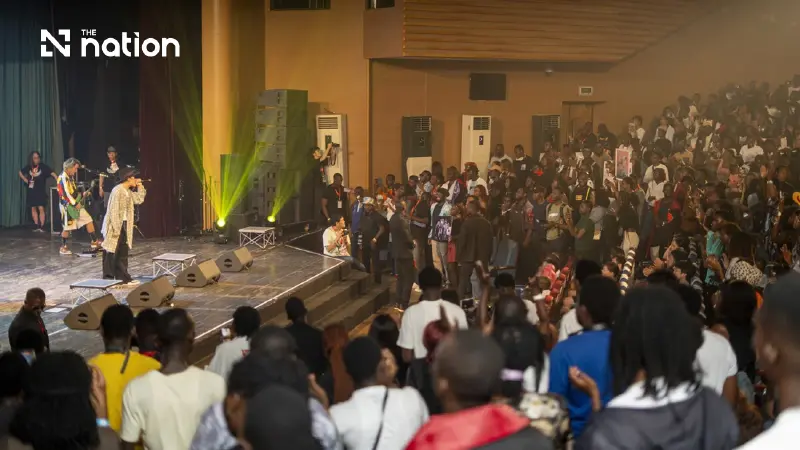
Some 2,000 people gathered outside the venue of a January anime-song concert in the West African country of Ivory Coast, in addition to the roughly 600 audience members inside.
The government-affiliated Japan Foundation organised the concert, where Japanese rock band FLOW excited the audience by performing opening theme songs from the popular anime series “Naruto”.
Japan has already begun using concerts for cultural exchange, while anime and other Japanese content have become increasingly popular in West Africa in recent years.
Similar performances in South America and elsewhere remain under consideration for fiscal 2027.
Through these concerts, Tokyo aims to generate interest in Japan in places where the country is still little known.


[Copyright The Jiji Press, Ltd.]
