
Trump, cost pressures and immigration define US midterm race



Trump’s low approval, living-cost pressures and immigration are shaping the November 3 US midterms as control of Congress hangs in the balance.
Three issues are dominating the closing stages of the 2026 US midterm campaign: President Donald Trump’s standing with voters, continuing pressure on household finances and an increasingly fierce dispute over immigration.
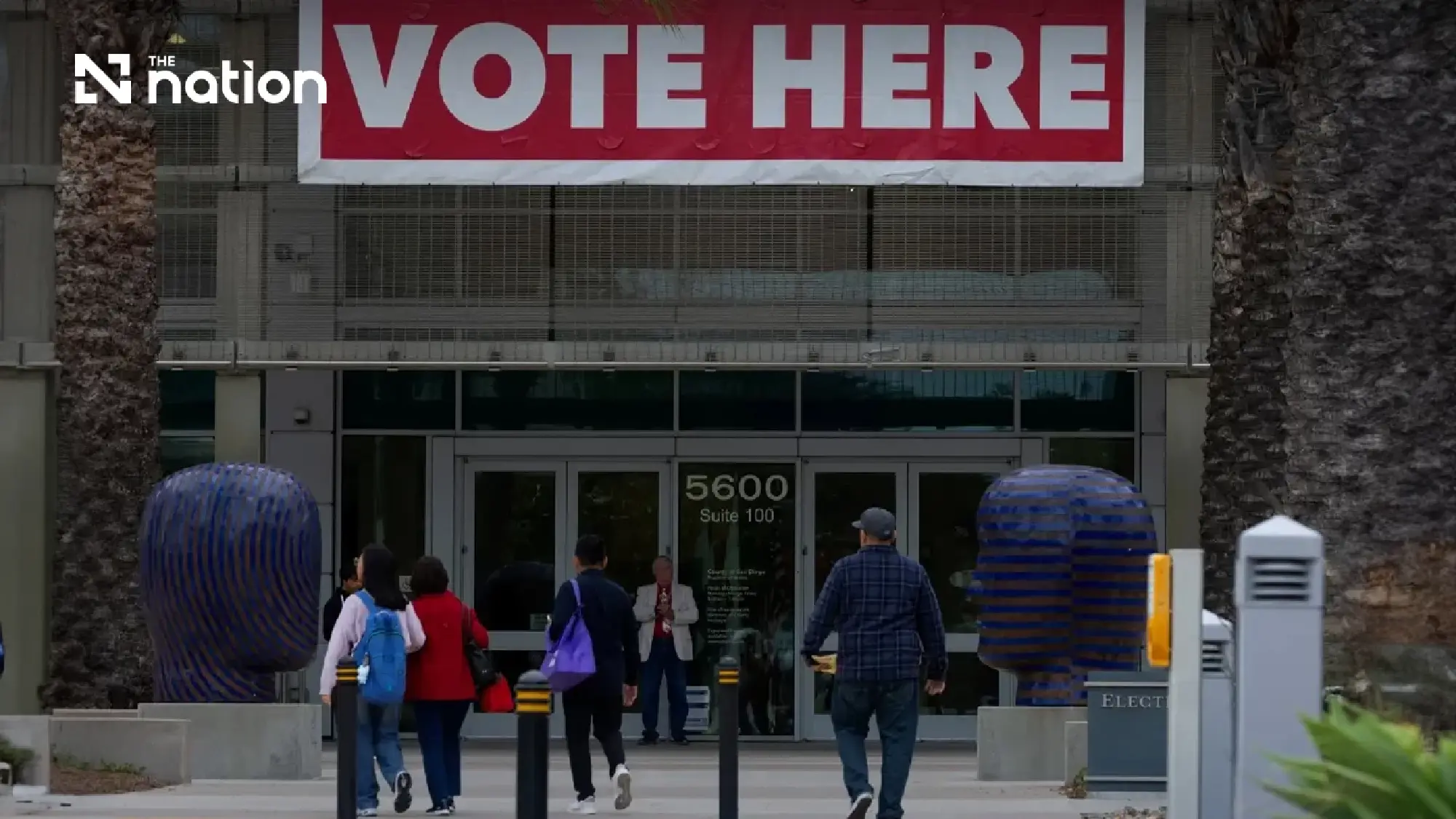
Americans will vote on November 3 in elections that will determine control of Congress for the remainder of Trump’s current term. Republicans hold narrow majorities in both the House of Representatives and Senate, while Democrats need a net gain of four seats in either chamber to take control.
Although only a limited number of races are considered highly competitive, the national campaign has increasingly revolved around Trump himself, the cost of living and immigration policy.

Trump becomes central figure despite weak approval
Trump has placed himself at the centre of the Republican campaign in its final weeks, with rallies planned in Florida, Iowa, Michigan and Texas.
His involvement comes as his approval rating has fallen to 31%, its lowest level in Reuters/Ipsos polling. Trump has nevertheless encouraged voters to approach the midterms as though his own name were on the ballot, seeking to mobilise the Republican base.
That strategy could also energise Democrats and independent voters opposed to his administration.
Democrats have focused their attacks on what they describe as Trump’s failure to deliver on promises to reduce household costs and end international conflicts. They have also pledged to pursue measures aimed at lowering living expenses and, if they gain control of either chamber, increase scrutiny of the administration.
Cost of living remains voters’ leading concern
Affordability has emerged as the most consistently cited concern among voters during the campaign.
Half of registered voters in a recent Reuters/Ipsos survey identified the cost of living as the most important factor influencing their vote. Healthcare, petrol, food and housing were among the household expenses voters most wanted Congress to address.
Republicans have pointed to an extension of tax cuts as a central legislative achievement, although the package also involved about US$1 trillion in reductions affecting Medicaid and other health programmes.
Democrats, meanwhile, forced a government shutdown last year during an unsuccessful attempt to extend expiring healthcare subsidies that had benefited about 24 million Americans.
Energy prices have added to household pressures. The average US petrol price has climbed to US$4.28 a gallon, US$1.20 higher than a year earlier, following US and Israeli military strikes on Iran in February. Diesel has reached an average US$6.32 a gallon, up US$2.70 from a year earlier, according to AAA figures cited by Reuters.
Food and housing costs have also continued to rise. Grocery prices were 1.8% higher than a year earlier, according to US consumer-price data, while home prices increased 2.1%. Congress passed bipartisan housing legislation earlier this year, which became law without Trump’s signature.

Immigration remains deeply divisive
Immigration is the third major issue shaping the national contest.
Preliminary Department of Homeland Security figures showed a 95% decline in migrant apprehensions at the southwestern border compared with levels during former president Joe Biden’s administration. The department also reported no Border Patrol releases during the current fiscal year.
However, the administration’s enforcement policies have faced strong Democratic opposition following fatal encounters involving federal immigration officers in Maine, Minnesota and Texas.
Deaths involving two US citizens in Minnesota pushed immigration enforcement further into Democratic primary contests, with some candidates calling for the impeachment of then-Homeland Security Secretary Kristi Noem and others advocating the abolition of Immigration and Customs Enforcement.
The two parties also clashed over immigration funding, eventually leading Republicans to pass a US$70-billion measure funding Immigration and Customs Enforcement and the Border Patrol for the remainder of Trump’s presidency. Republicans have responded to Democratic criticism by accusing the party of supporting open borders.
Immigration tensions intensified further this month when federal immigration officials raided the Washington home of Democratic Representative Ilhan Omar of Minnesota. Democrats broadly condemned the action. Reuters reported that one possible objective of the investigation could involve an attempt to revoke Omar’s US citizenship and deport her, according to a person familiar with the case.

Other issues could decide individual races
Beyond the three dominant national themes, issues including artificial intelligence, data centres, cryptocurrency, abortion and US policy towards Israel could prove decisive in individual Senate and House contests.
In Ohio, the rapid expansion of data centres and spending by cryptocurrency-linked political groups have become factors in the Senate race. In Maine, abortion remains prominent as Republican Senator Susan Collins faces voters for the first time since the US Supreme Court overturned the federal constitutional right to abortion.
In Michigan, the Israel-Gaza issue is also influencing the Senate contest, with outside groups spending heavily during both the Democratic primary and the general-election campaign. Trump, meanwhile, endorsed Israeli Prime Minister Benjamin Netanyahu for re-election earlier this week.
Source: Reuters
