
L&H profit bolstered by its non-residential business


Play
Company policy aimed at diversifying long-term risks
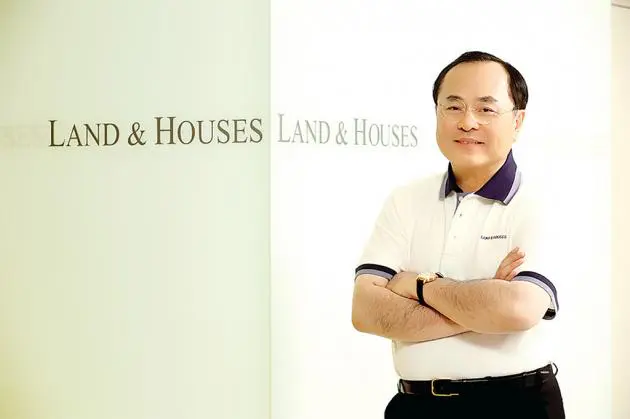
Up to 50 per cent of Land & Houses’ net profit comes from investment in non-residential sectors as the company manages its business risk for the long term, managing director Anant Asawabhokhin told a seminar.
He said the company’s policy of focusing only on residential projects changed around the time of the economic crisis of 1997. The shift was aimed at diversifying business risk and maintaining profits at a time when the residential market was dropping.
The company then began investing in retail, hospitals, serviced apartments, hotels, office buildings, construction-materials and banks. These non-residential ventures now generate up to half of Land & Houses’ annual net profit.
“When we talk about the property sector, most developers focus only on selling homes such as detached houses, townhouses and condominiums. But we believe that property is more than residential. We saw opportunities to expand investment in other property sectors to balance our portfolio, and also avoid high competition when more newcomers are expanding their businesses to develop homes for sale,” he said.
Anant said he started to expand the company’s business horizons before the 1997 crisis, and the firm now has two retail businesses: Home Product Center (HomePro), a speciality outlet for construction materials, home decor and related products, and the Terminal 21 shopping centre in Bangkok.
“When we entered the shopping-centre business, we faced a challenge from existing market leaders. But we believed that this was a new business opportunity and that we would get a share of the market by differentiating the design of our mall from others,” he said.
The hotel and serviced-apartment sector also shows potential to expand because of strong growth in demand from tourists and foreigners who work in Bangkok. The company’s first hotel at Terminal 21 has seen occupancy rates of up to 90 per cent since its grand opening last year, while its serviced apartments enjoy annual occupancy rates of more than 70 per cent.
The banking sector is another business that supports the property sector and also generates fee income.
However, the office-building market has low occupancy as many businesses have changed their preference to small office spaces and working from home or mobile offices. As a result, office rentals cannot rise in line with inflation or economic growth, so the company is not expanding its investment in this sector currently.
Meanwhile, Land & Houses decided to sell out its hospital business last year, seeing high return from the sale. “In my view, investing in businesses that generate rental and fee income for the long term balances the business when demand for home purchases slows or shrinks when faced with crises such as last year’s natural disaster, or other crises that cannot be foreseen and are beyond the control of the business,” Anant said.
Land & Houses posted revenue of Bt23.29 billion and net profit of Bt5.6 billion last year, and half of its net came from rentals, fees, and divestment of its businesses in Indonesia and in the hospital sector. The company also saw revenue of Bt5.6 billion and net profit of Bt1.4 billion in the first quarter of this year.
Signs of lower margins
Anant said the company believed that net profit margins from residential sales were showing signs of dropping amid high competition and rising costs driven by higher prices of construction materials and labour.
At present, the property sector developing homes for sale is averaging gross profit margins of 34 per cent and net annual profit margins of 10-16 per cent.
The home-construction market also faces a labour shortage.
“This will continue to be a problem in the future, as the government’s policy of developing infrastructure results in shifts in the workforce away from the property sector. This will be the main factor driving up costs in the property market,” he said.
That is the reason for the company’s business strategy to expand its investment into projects that generate recurring income alongside revenue from the sale of residential projects. This will support strong growth in net profit in the long term, he said.
