
Chinese money, new transit stops boost real-estate investment
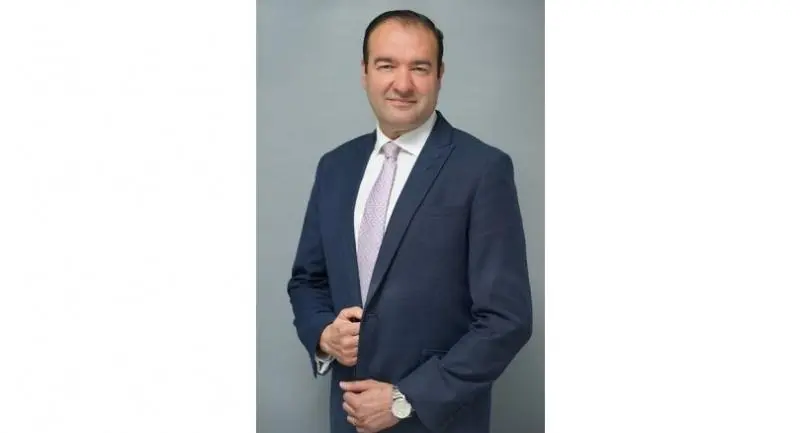


The Thai residential market is benefiting from investments made by a stream of foreign buyers, according to Knight Frank Thailand.
Frank Khan, executive director and head of residential projects for the real-estate consultancy, said that 2017 “stands as an outstanding year for foreign investors, with a new supply [of projects] with innovative designs, modern facilities and investment growth. An appealing investment climate like Thailand gives foreign investors the chance to capitalise on their investment without being affected by high taxes and stamp duties.”
He said 2017 also witnessed several listed developers being able to significantly capitalise on their market share due to the influx of foreign buyers.
“The Thai residential market has obviously received an additional investor stream from the Chinese, despite [China’s] imposition of stricter outbound investment.”
Investment from China tends to cluster in Bangkok metropolitan areas.
Several mid-priced condos in the capital had as much as 40 per cent Chinese uptake, said Khan. But the first half of the year was quite slow due to strict controls from the Bank of China on transferring money, he said.
Further expansion of marketing based on road shows throughout the Asia Pacific in 2017 could be expected in 2018, he said.
“And we foresee a healthy uptake from foreign investors across Asia Pacific.”
BTS lines remain the key influence on urban development choices as Thailand expands its mass transit system, said Marciano Birjmohun, associate director of international project marketing, Knight Frank Thailand.
“Mass Transportation is, in many ways, the most important factor of a community's infrastructure. In particular, interchange stations such as Bang Sue’s Grand Central Station that is currently under construction, have become a focal point for overseas investors,” said Birjmohun.
“More overseas investors are also aiming on the peripheral area of Bangkok, providing low entry levels of investment but benefiting from direct connection to the tourist and business districts. With the Tao Poon interchange completed and Samrong interchange station nearly complete, these areas have classified themselves as future hotspots.
“If we only look at the existing traffic at interchange stations like Asoke and Siam, we can be certain that Tao Poon and Samrong will become major transit stations by 2020,” he said.
