
DMCR tightens dugong safeguards across 12 Andaman areas
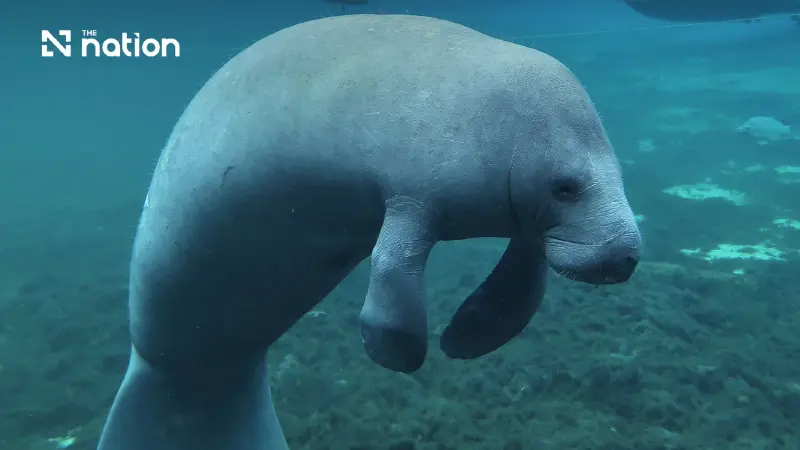


DMCR will control boat speeds and modify fishing gear across 12 risk areas in five Andaman provinces to eliminate human-caused dugong deaths.
Thailand’s Department of Marine and Coastal Resources (DMCR) is tightening boating and fishing controls in 12 high-risk areas across five Andaman provinces, with the goal of reducing dugong deaths caused by human activity to zero.
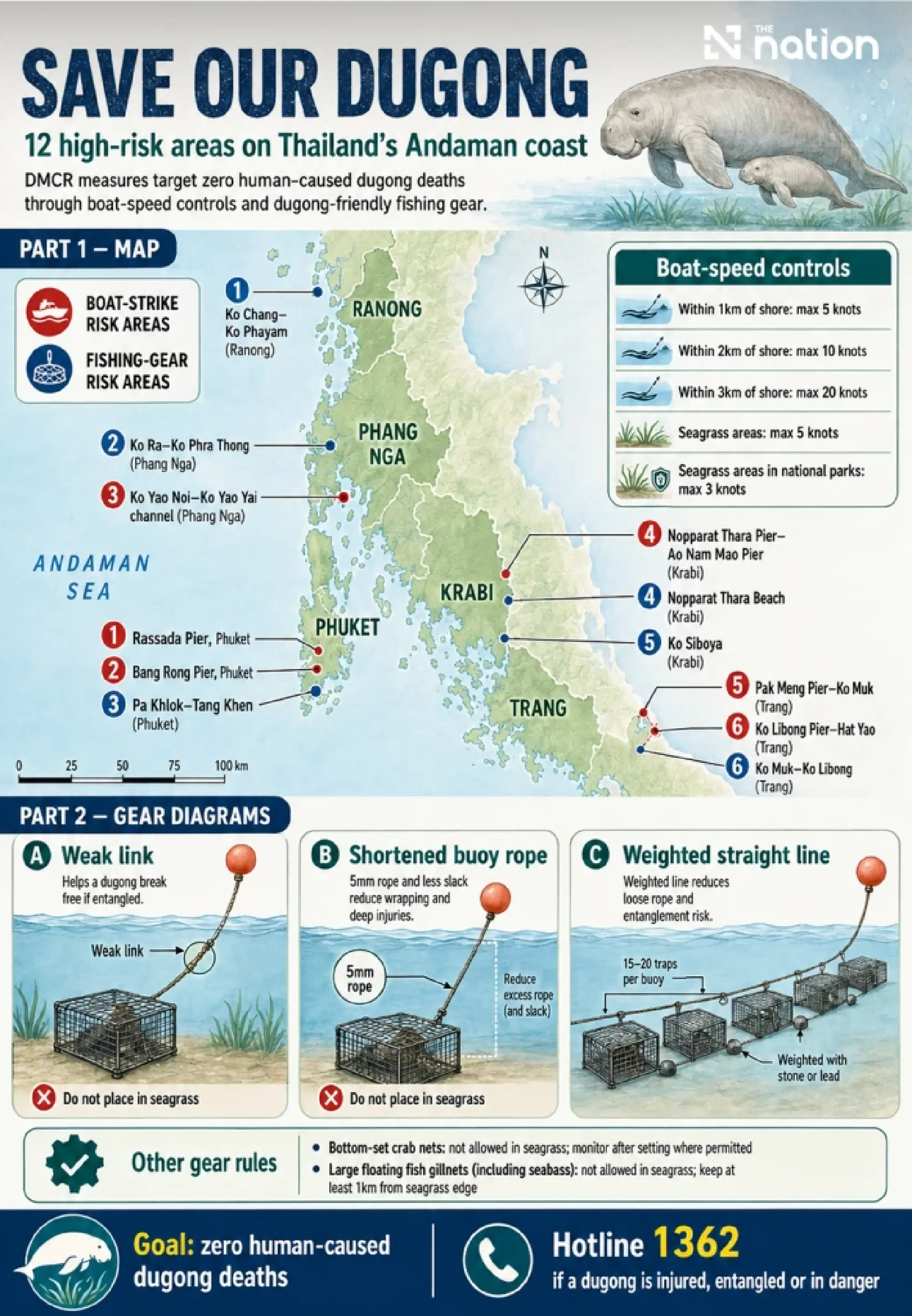
The “Save Our Dugong” measures cover six locations considered vulnerable to boat collisions and another six where dugongs are at risk of becoming entangled in fishing gear.
They include marked navigation routes, vessel speed limits and changes to crab traps, nets and buoy ropes. The department expects both sets of measures to be implemented within six months.
DMCR Director-General Pinsak Suraswadi said on Monday (August 17) that the programme was being advanced under the policy of Natural Resources and Environment Minister Suchart Chomklin, who has prioritised the conservation of rare and endangered marine species and the reduction of human impacts on marine ecosystems.

Boat speed controls planned for six routes
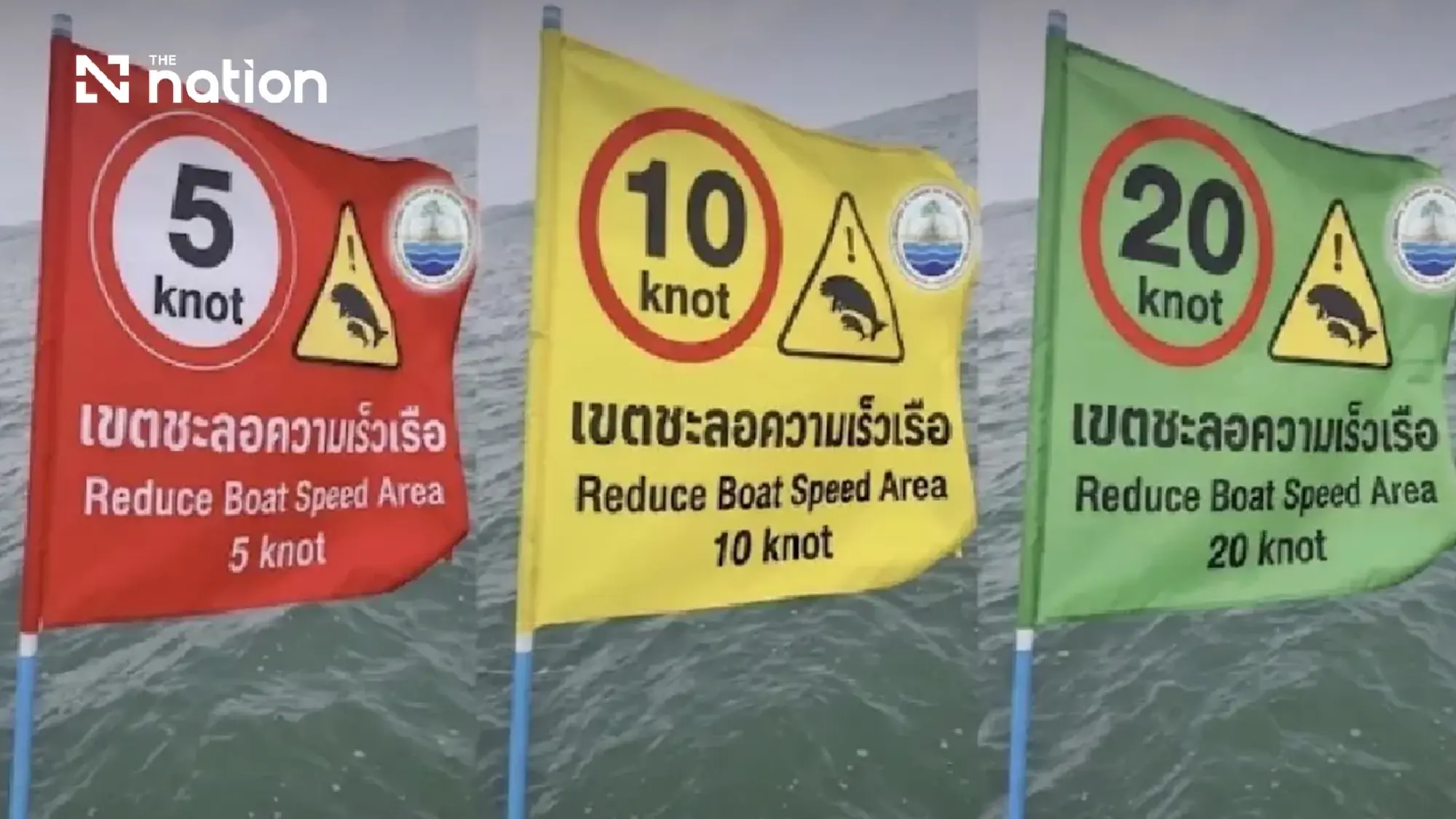
DMCR will organise navigation routes and introduce speed controls in six areas considered at risk from boat strikes.
They are Rassada Pier and Bang Rong Pier in Phuket; the Koh Yao Noi–Koh Yao Yai channel in Phang Nga; the Nopparat Thara Pier–Ao Nam Mao Pier route in Krabi; and the Pak Meng Pier–Koh Muk and Koh Libong Pier–Hat Yao routes in Trang.
Buoys or other markers will be installed to define navigation routes and boundaries.
The framework sets speed limits of no more than 5 knots at distances of up to one kilometre from shore, 10 knots at up to two kilometres and 20 knots at up to three kilometres.
A maximum speed of 5 knots will apply in seagrass habitats, falling to 3 knots in seagrass areas located within national parks.

Fishing gear to be modified in six risk areas
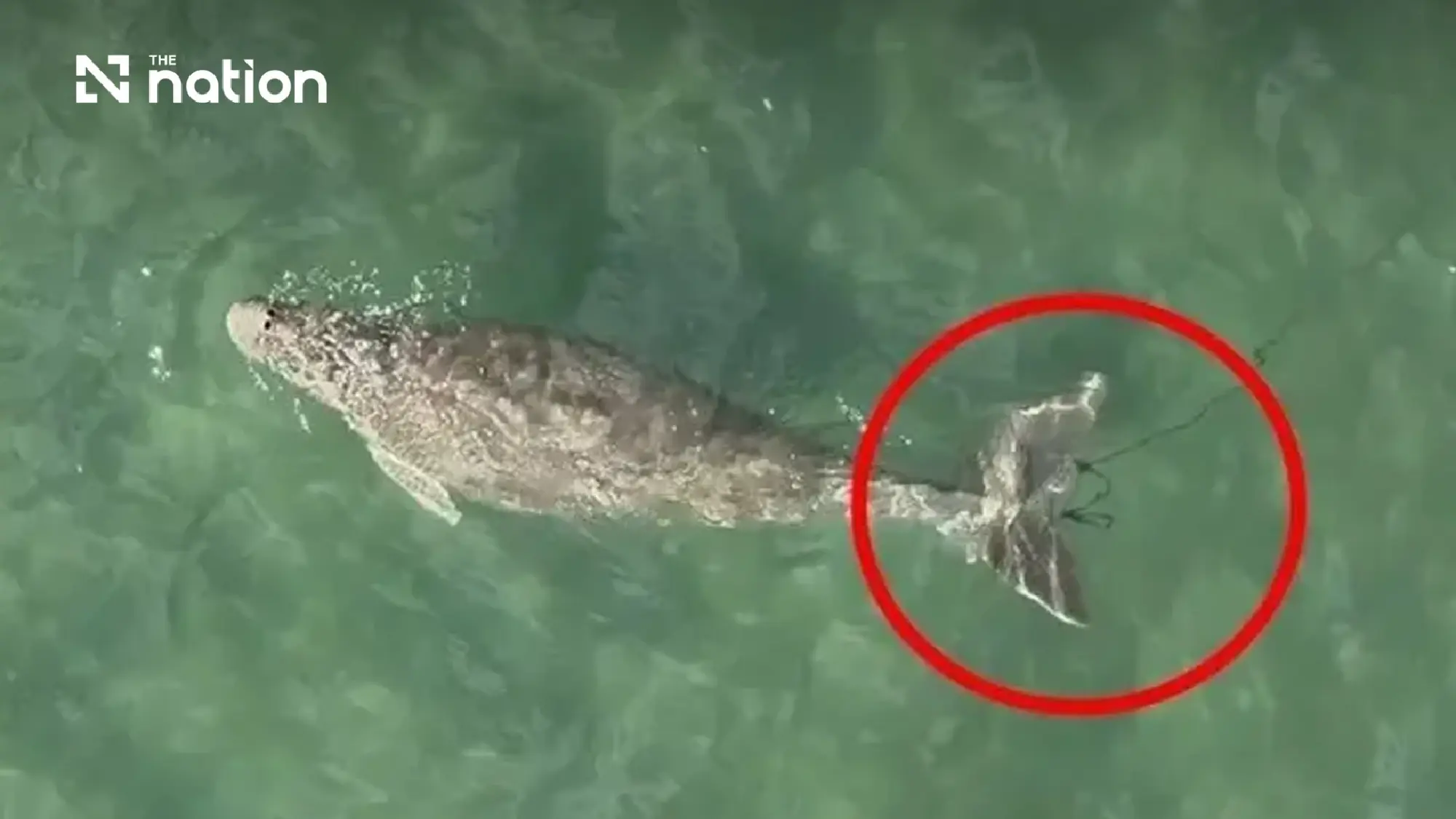
The second measure focuses on six locations where dugongs face a heightened risk of becoming caught or injured by fishing equipment.
The areas are Koh Chang–Koh Phayam in Ranong; Koh Ra–Koh Phra Thong in Phang Nga; Pa Khlok–Tang Khen in Phuket; Nopparat Thara Beach and Koh Siboya in Krabi; and Koh Muk–Koh Libong in Trang.
Single crab traps, with one trap connected to one buoy, will not be allowed in seagrass habitats. Their buoy lines will be replaced with 5mm-diameter rope intended to reduce entanglement and the risk of the line cutting deeply into a dugong’s muscles.
Weak links will be added at connection points to improve an entangled dugong’s chances of breaking free. Excess rope will also be shortened, particularly near the surface and along routes used by dugongs.

For linked systems of 15 to 20 crab traps per buoy, stones or lead weights will be used to keep the rope straight and reduce the risk of loose lines catching marine animals.
Bottom-set crab nets will also be prohibited in seagrass areas. Fishers using them in permitted locations will be required to monitor the nets after deployment to reduce the risk of dugongs becoming trapped.
Large-fish floating gillnets, including those used for seabass, must not be placed in seagrass habitats and will have to remain at least one kilometre from the edge of a seagrass area.

Measures designed to preserve coastal livelihoods
Pinsak said the programme was not intended to prevent fishing or restrict marine transport.
“The department’s goal is to reduce dugong deaths from human activities to zero,” he explained. “We are not seeking to restrict fishing or navigation, but to organise the use of marine areas so that safety and dugong conservation can proceed together.”
DMCR will work with boat operators, fishers and other stakeholders to explain the measures and support the transition to more dugong-friendly fishing equipment.
Both the navigation and fishing-gear measures are expected to be implemented within six months.
Human activity linked to 34 strandings in a decade
DMCR recorded 209 dugong strandings during the 10 fiscal years from 2017 to 2026.
The cause could not be determined in 78 cases. Among the remaining 131 strandings with known causes, 97 were attributed to natural factors and 34 to human activities.
Of the 34 human-related cases, 17 involved marine accidents, 16 involved fishing gear and one involved marine debris.

In fiscal 2026, 15 dugong strandings were recorded. Five were linked to human activity, comprising two marine accidents, two incidents involving fishing gear and one involving marine debris.
The department warned that, without effective measures to reduce threats, Thailand’s dugong population could fall below 100 by 2030 and below 50 by 2035 if the current rate of loss continues.
Such a decline would increase the long-term risk of the dugong population becoming locally extinct in Thailand.
Anyone who sees a dugong trapped in fishing gear, injured or in immediate danger is urged to contact officials through the 1362 hotline so that assistance can be provided promptly.
