
Champagne gets temporary 15% alcohol ceiling for 2026
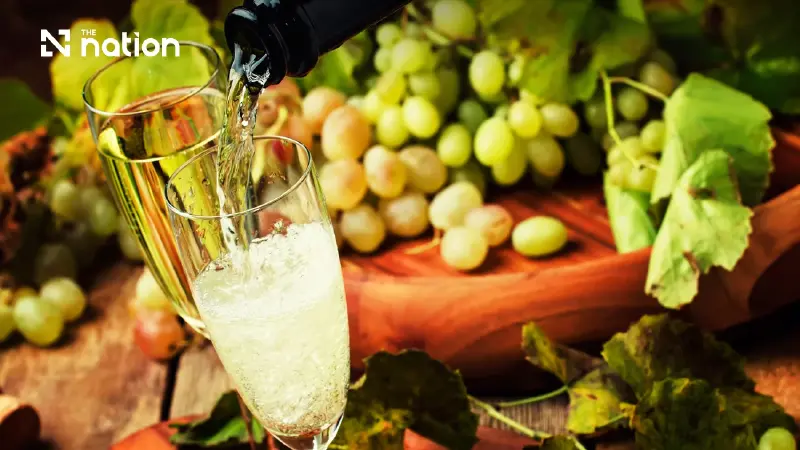


Champagne producers are considering blends and grape varieties to preserve freshness after France’s extreme summer heat in 2026.
- For the 2026 harvest only, Champagne's permitted alcohol ceiling has been temporarily raised to 15% to accommodate grapes with unusually high sugar levels caused by severe heatwaves.
- The increase is an exceptional measure for a small number of producers whose wines might slightly exceed the previous 13% limit, as the regional average potential alcohol remains below 12%.
- The change was prompted by the 2026 growing season's extreme weather, which concentrated grape sugars and led to higher potential alcohol, a phenomenon linked to climate change.
- Some producers worry that higher-alcohol Champagne could damage the brand's reputation and be less appealing to consumers who increasingly favor lower-alcohol beverages.
Champagne producers in France face a challenge that goes beyond bringing in the harvest: adapting to hotter summers without losing the freshness and balance associated with their wines. A temporary increase in the permitted alcohol ceiling to 15% for the 2026 harvest brings that challenge into focus, although Champagne Committee co-president David Chatillon says the exemption affects only a small proportion of producers.
Champagne’s 15% ceiling is a one-year exception
France’s National Institute of Origin and Quality (INAO), together with the Champagne Committee, approved the exceptional measure for the 2026 harvest. The change gives affected producers room to exceed the previous 13% ceiling after the second fermentation in the bottle.
Higher grape sugar levels are central to the problem. During fermentation, yeast converts the natural sugars in grape juice into alcohol, so more sugar means a higher potential alcohol level.
Chatillon said average potential alcohol across Champagne after the harvest remained below 12%. The exemption was therefore a response to exceptional cases, rather than a change affecting the entire region’s production.
For some particularly ripe plots, Chatillon explained, alcohol levels could edge above the previous ceiling to 13.1% or 13.2%, making additional legal headroom necessary.
Five heatwaves cut Champagne’s 2026 grape yields
France endured one of its most severe recorded heatwaves in summer 2026, with direct consequences for the wine industry. Champagne experienced one of its most unusual growing seasons, combining severe spring frosts, exceptionally early flowering and five separate summer heatwaves.
Drought began building in Champagne in early June, while critically low rainfall reduced the harvest. Actual grape yields fell to approximately 7,000 kilograms per hectare in 2026, compared with 9,900 kilograms per hectare in 2025.

Intense sunshine also pushed sugar concentrations in Champagne grapes to unprecedented levels, leaving producers to manage unusually ripe fruit alongside a smaller crop.
“This is the first year that the Mediterranean climate is moving northwards. It may not happen every year, but it will definitely happen again,” Stéphane Vignon, a Champagne producer in the village of Verzenay, told The Times.
Champagne producers consider blends and grape varieties
Vignon said most producers could bring alcohol levels down by blending wines from the 2026 harvest with older wines containing around 11% alcohol. Blending would allow producers to moderate the strength of the resulting wine rather than use the full headroom offered by the temporary exemption.
Charles Philipponnat, president and chief executive of Champagne Philipponnat, told The Drinks Business that the producer’s 2026 harvest had begun earlier than ever. Picking in the plots used for Clos des Goisses took just nine days.
“The grapes were beautiful and absolutely perfect. Fruit quality remained high despite the low yields. The only problem was the potential alcohol,” Philipponnat said.
In Champagne’s vineyards, vines stopped photosynthesising during the hottest part of the day to protect themselves. The response helped prevent sugar levels from rising out of control while allowing the fruit to retain its acidity.
Philipponnat is considering planting more Chardonnay to bring greater finesse to the wines. Longer-term adaptation also includes experimenting with Arbane, a rare historic grape variety whose naturally high acidity could help preserve freshness in future blends as the climate becomes hotter.
Stronger Champagne raises concerns over consumer appeal
Wine columnist and specialist Jane Anson warned that higher alcohol might not be a selling point for Champagne as consumers increasingly favour lower-alcohol drinks.
Didier Gimonnet, a third-generation producer from the village of Cuis, also raised concerns about the effect on the wine’s reputation. “The idea of Champagne at 14% or 15% alcohol will put a lot of people off and damage Champagne’s image,” Gimonnet said.
Maxime Toubart, co-president of the Champagne Committee, warned that extreme conditions and such early, rapid harvests could become the “new normal” within the next 10 to 15 years. Toubart urged the industry to reconsider how it would secure Champagne’s future as the climate changes.
The first Champagnes made using grapes from the 2026 harvest are expected to reach shops in 2028 at the earliest, following at least 15 months of ageing.
Source: Bangkokbiznews
