
Bangkok activates 50 district flood centres for heavy rain
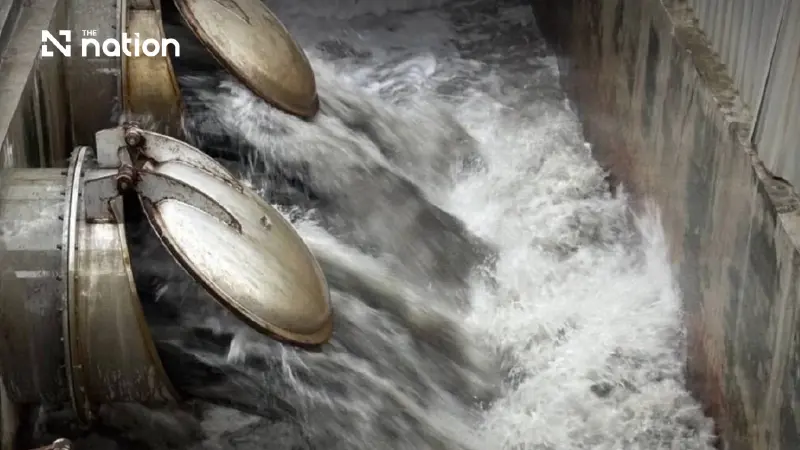


Bangkok is reinforcing flood defences across all 50 districts through round-the-clock monitoring and joint water management with nearby provinces.
- The Bangkok Metropolitan Administration (BMA) has established flood prevention and response command centres in all 50 of its district offices to prepare for heavy rain.
- These centres are mobilizing personnel and equipment to monitor flood-prone areas, clear drainage pipes, and ensure drainage systems are fully operational.
- The BMA is coordinating with the Royal Irrigation Department and neighbouring provinces to manage water levels and accelerate the discharge of water from the city.
- Emergency resources, including mobile pumping units, backup generators, and traffic management teams, are being prepared for rapid deployment to flooded areas.
The Bangkok Metropolitan Administration (BMA) has strengthened its preparations for heavy rain by establishing flood prevention and response command centres at all 50 district offices.
The city is also coordinating with government agencies, the Royal Irrigation Department and neighbouring provinces in the Bangkok metropolitan region to improve drainage operations and limit disruption to residents around the clock.
Narong Rueangsri, Deputy Permanent Secretary of the BMA, explained that the city’s 2026 flood prevention and response action plan was being implemented alongside an emergency response plan as rainfall was expected to increase.
Every relevant agency has been instructed to ensure that personnel, machinery and drainage systems are fully prepared.

Districts mobilise resources to monitor flood-risk areas
District offices and supporting agencies have been told to position staff, equipment and machinery so teams can be deployed immediately when flooding occurs.
Particular attention will be given to known flood-prone locations, low-lying areas, commercial districts, canal-side communities and major transport routes.
Drainage pipes are being cleared, while water inlets are being inspected to prevent rubbish from obstructing water flow. Patrol vehicles, Bangkok Emergency Service Team (BEST) personnel and municipal enforcement officers will also be deployed to manage traffic and assist motorists whose vehicles break down in flooded areas.

Drainage systems prepared for full operation as monitoring continues 24 hours
The BMA’s Flood Prevention System Control Centre will monitor weather radar, rainfall volumes, canal levels and the level of the Chao Phraya River 24 hours a day.
Bangkok’s drainage network currently includes 244 sluice gates, 207 pumping stations, five major drainage tunnels and 371 pumping wells.
Pumps, electrical systems, control systems and other machinery are being checked to ensure they remain operational. Water levels in canals and retention areas are also being lowered where necessary to create additional capacity for heavy rainfall.
Construction sites, particularly those connected with electric railway projects, have been instructed to keep drainage routes open, maintain temporary pipe systems and provide pumps at project locations.
The measures are intended to prevent construction activities from obstructing drainage during periods of intense rainfall.

Emergency plans prepared for flooding and power disruptions
For emergency operations, the city has prepared 12 mobile pumping units, together with cranes, reserve pumps, mobile generators and maintenance equipment that can be dispatched quickly to flooded areas.
The Drainage and Sewerage Department has also supplied 200 engine-driven pumps for distribution among Bangkok’s six district groups, increasing drainage capacity in areas considered vulnerable to flooding.
To reduce the risk of electricity disruptions, the BMA is working with the Metropolitan Electricity Authority to inspect power lines, trim tree branches and install equipment designed to prevent animals from damaging electrical systems.
Backup generators have also been prepared to keep pumping stations and drainage infrastructure operating during power failures.

Bangkok coordinates with irrigation authorities and neighbouring provinces on water management
Water management in areas bordering Bangkok will be coordinated with the Royal Irrigation Department, Regional Irrigation Office No. 11, surrounding provinces and other relevant agencies.
Joint decisions will take account of upstream water volumes, canal levels, high tides and the amount of water that each area can accommodate.
Sluice gates and pumps along major canals, including those at the Prem Tai, Nong Chok and Khlong Prawet Buri Rom pumping stations, will be operated according to jointly agreed criteria.
The aim is to accelerate the discharge of water from Bangkok without transferring the effects of flooding to neighbouring areas. Rainfall and water-level data will be shared continuously among participating agencies.

Public channels available for updates and emergency reports 24 hours a day
Residents can follow rainfall and flood information or request assistance through the Drainage and Sewerage Department’s website, the BMA’s public relations website, the BKK.BEST Facebook page, the @BKK_BEST account on X, the Traffy Fondue application and Bangkok’s 1555 hotline.
All channels are available 24 hours a day.

