
Income inequality widens marriage rates among Korean men
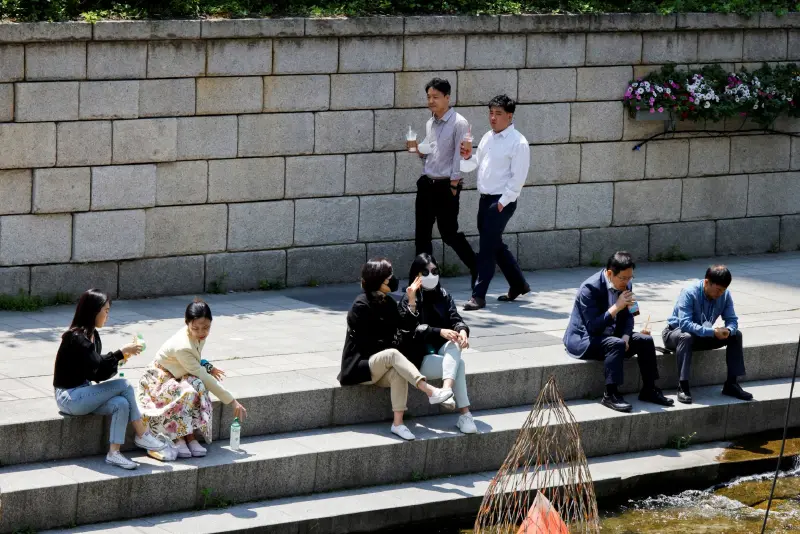


South Korean men in the top income quintile are likelier to be tying the knot, data showed Sunday, suggesting that income inequality could be a major factor in exacerbating marriage and childbearing rates.
According to data released by the Korea Labor Institute analyzing labour and fertility trends, men with higher economic status were less likely to be unmarried and childless than low-income men.
The finding came to light in research conducted from 2017 to 2019, which excluded variables related to Covid-19, which affected relationship statuses.
Men aged between 26 and 30 with earnings in the top 10 Percent showed higher marriage rates, with 29 % of men answering “yes” when asked if they had experienced marriage or were living in a partnership, while it was only eight per cent for men in the lowest 10 % income level.
Marriage rates continued to show an upward trend for high-earning males, with 76 % of those aged between 31 to 35 having been married or are married, while it stood at 31 % for the low-income group. Marriage rates among men aged 36 to 40 in the high-income group were 91 %, while it was 10 % for low-income earners.
Ninety-six per cent of men aged 41 to 45 with higher economic statuses have had the experience of marriage, while this figure was only 58 % for men with incomes at the bottom 10 %. The percentage stood at 98 % for the top 10 % of earners ages between 46 to 50, while it was 73 % for those in the lowest 10 %.
The report explained that those in the low-income category choose to live in one-person households due to financial reasons, adding that low-income men are more likely to be childless and have a low chance of meeting new partners.
“The average economic gains of men have increased compared to the past, and marriage rates are increasing. The results of this study can hopefully help solve the problem of declining birth rates,” said Kwak Eun-hye, an associate research fellow at KLI.
The Korean Herald
Asia News Network
