
Iceman Ötzi was most likely bald, new genome study reveals
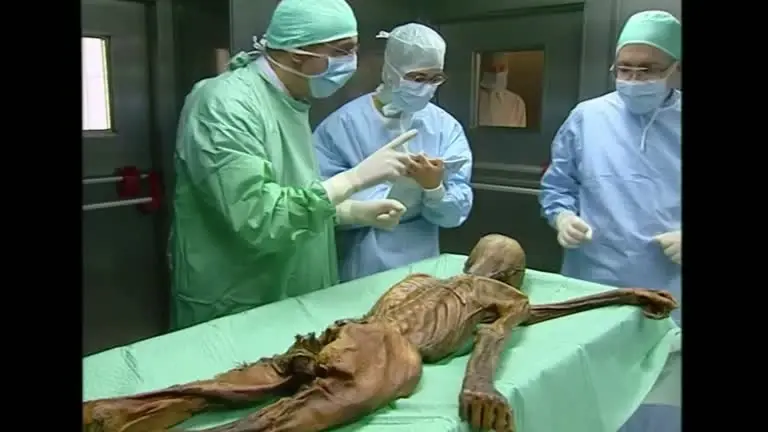


The Neolithic Iceman, known as "Ötzi," has undergone extensive studies in the past, yet the latest research involving the creation of a high-coverage genome has produced some unexpected revelations about his genetic heritage.
In a report released on Wednesday in the journal Cell Genomics, scientists show that Ötzi possessed characteristics that diverge significantly from earlier depictions. Notably, the analysis uncovered that Ötzi had a complexion of dark skin, dark eyes, and a receding hairline.
"We could confirm some things like he had brown eyes, but we found out that the skin colour is much darker than we thought," Albert Zink of Eurac Research, Institute for Mummy Studies in Bolzano, Italy, told Reuters.
"We found out that he was most likely bald, so he had that genetic predisposition to lose his hair."
Previous work suggested a genetic affinity between Ötzi and modern Sardinians. However, researchers now believe that these conclusions were reached prior to the availability of a broader spectrum of human genomes.
"The main difference was regarding his ancestry because we could on one hand confirm that he had this typical Anatolian ancestry that is typical for the Neolithic people that came from Anatolia and migrated to Europe at the time," Zink added.
The study showed over 92 % of Ötzi's genetic makeup originated from early Anatolian farmers. This finding casts a spotlight on the intricate migratory history of Europeans. The outcomes also indicate that the Alpine region served as a genetic barrier, limiting genetic exchange between the Iceman's population and communities situated north and west of the Alps.
Regarded as one of the most exceptionally preserved ice mummies, Ötzi was found by hikers in the Tyrolean Alps in 1991. Standing 160 centimetres tall (approx. 5 feet 2 inches), Ötzi was about 45 years old when he met his death from an arrow shot by an unknown assailant about 5,300 years ago.
He may yet reveal more secrets as technology evolves, with analysis of his gut microbiome potential aiding in our understanding of the health conditions of modern humans.
"We know today from modern studies this the microbiome is very important for our health, for allergies, for our diet. We want to explore whether there may be differences between him and our modern population," added Zink
Reuters
