
Thailand warns farmers over worsening melioidosis threat



The government has urged farmers and people exposed to soil and water to guard against soil fever after 23 deaths were recorded by April 16.
- The Thai government has warned farmers about a worrying melioidosis ("soil fever") outbreak, which has caused 732 cases and 23 deaths nationwide between January and April 2026.
- The disease is caused by bacteria in soil and water, and infection can occur through skin contact (especially with open wounds), inhaling contaminated dust, or consuming contaminated water.
- Farmers are urged to take precautions such as wearing rubber boots, covering wounds with waterproof plasters, bathing after work, and seeking immediate medical attention for symptoms like high fever.
Last week, the government warned the public, especially farmers, to be on alert for melioidosis, also known as soil fever, after outbreaks were reported in several areas.
Lalida Periswiwatana, deputy government spokesperson, said the Ministry of Public Health was closely monitoring the melioidosis situation after the outbreak trend remained worrying.
Data from January 1 to April 16, 2026, showed 732 cumulative cases nationwide and 23 deaths.
The Office of Disease Prevention and Control Region 7, Khon Kaen, reported 68 cumulative cases and two deaths in Health Region 7, with people aged 50 and above the most affected group.


What is melioidosis
Melioidosis, also known as soil fever, is caused by the bacterium Burkholderia pseudomallei.
It is commonly found in soil, water, rice fields, farmland, vegetable plots and rubber plantations across all regions of Thailand.
The bacteria can enter the body in three ways:
through contact with contaminated soil or water
by drinking water or eating food contaminated with the bacteria
by inhaling dust contaminated with the bacteria
Symptoms usually begin around 1 to 21 days after infection, although in some cases they may take years to appear, depending on the amount of bacteria involved and each person’s immunity.
Symptoms of melioidosis
The disease has no specific hallmark symptoms and can resemble many other infectious illnesses.
Symptoms may include a high fever, skin abscesses and respiratory problems.
Infection may remain localised, or it may spread throughout the body and become fatal.
Preventing melioidosis
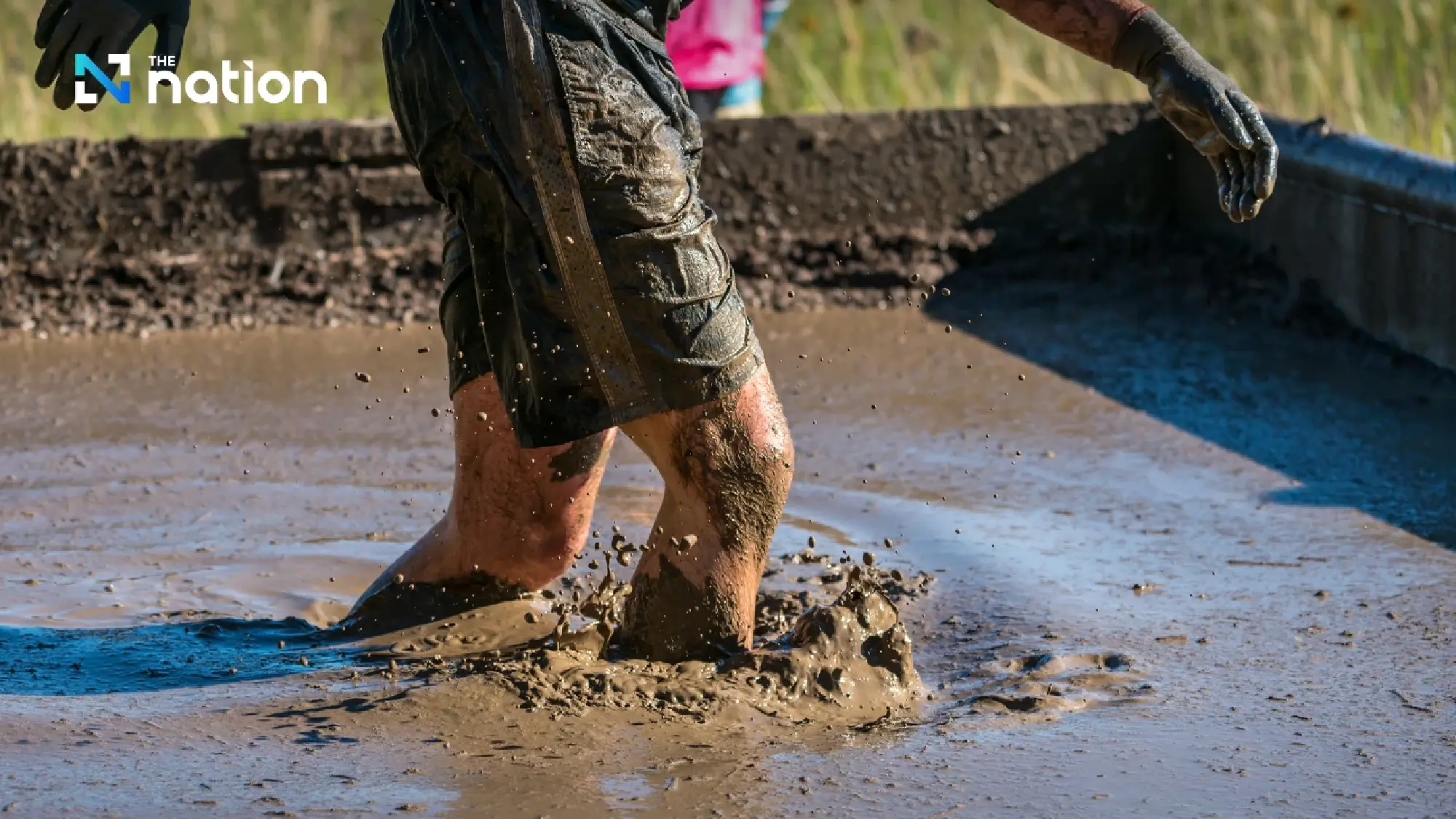
People should avoid wading through water, stepping in mud, or soaking in water for prolonged periods.
If this cannot be avoided, they should wear rubber boots or cover their shoes with plastic bags to prevent direct contact between their feet and the water.
If they have any wounds, they should cover them with waterproof plasters and bathe immediately after work or after wading through water.
They should also drink only clean or boiled water.
Anyone who develops a sudden high fever, headache or body aches should seek medical attention immediately and inform the doctor of any history of wading through water, so that diagnosis and treatment can begin promptly according to the symptoms and severity of the disease.
More information is available from the Department of Disease Control hotline at 1422.
