
Advancing Indo-Thai Bilateral Strategic Shift: Approaches to International Law and Security Cooperation
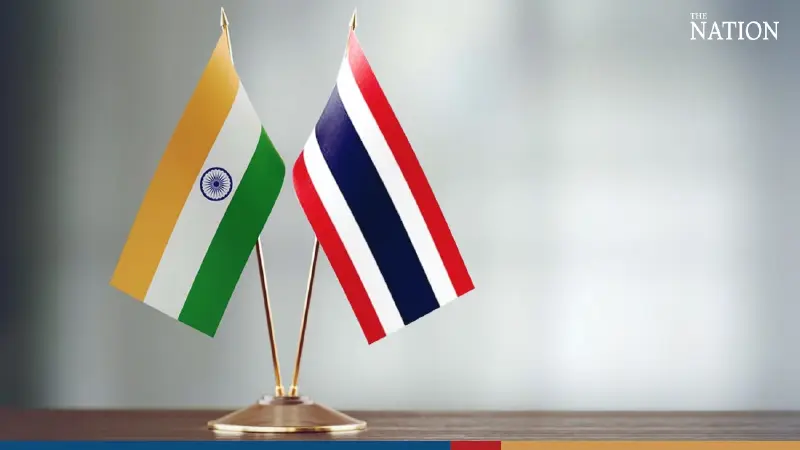


India's evolution from a middle power to a great power has captured the international community's attention. Its recent presidency of the G20, coupled with significant accomplishments in space exploration and skilful diplomatic manoeuvres, has positioned India as a potential global force.
Amidst this repositioning, it becomes paramount for India to cultivate deeper bilateral relationships, not only within its immediate neighbourhood but also with countries that hold strategic importance in the broader geopolitical landscape. Critically, the Indo-Thai bilateral relationship must emphasise the imperative of transcending traditional cultural, trade, and investment bonds. Specifically, it is essential to explore India's potential contribution to Thailand's national security through joint military exercises and a thorough examination of the intricate complexities of international law. Balancing alliances and navigating a polarised world presents multifaceted challenges for India in the years ahead.
The Shifting Paradigm of India's Foreign Policy
In recent years, India's foreign policy has undergone a significant transformation, moving away from its historical commitment to non-alignment and adopting a more pragmatic approach centred around the establishment of strategic partnerships and alliances. India's active participation in various regional and international forums, including BRICS, G20, QUAD, and SAARC, underscores its ambition to assume a pivotal role in shaping global affairs. Furthermore, it is crucial to highlight the significance of the Act East Policy in India's engagement with ASEAN. This policy encompasses various dimensions, including economic, strategic, cultural, and security aspects. It demonstrates India's recognition of ASEAN's importance in the evolving geopolitical landscape of the Indo-Pacific and its commitment to fostering a comprehensive and mutually beneficial partnership with ASEAN member nations.
In this recalibrated foreign policy landscape, Thailand emerges as a pivotal partner. Situated strategically in Southeast Asia, Thailand has been expanding its ties with major powers like the United States and China. While India has traditionally enjoyed warm cultural and trade relations with Thailand, the time has come to elevate this partnership to address the broader spectrum of security challenges.
Security Cooperation: A Holistic Approach
The security landscape in Southeast Asia is rapidly evolving, marked by territorial disputes, maritime security challenges, and increasing competition among major powers. India, with its substantial military capabilities and experience in conducting joint military exercises, holds the potential to play a pivotal role in enhancing regional stability.
One promising avenue to strengthen Indo-Thai bilateral relations is through national security cooperation. India can draw inspiration from successful models of military exercises conducted with countries like Singapore and consider similar agreements and exercises with Thailand. This approach can serve various strategic objectives.
National security cooperation can contribute to heightened security in the region. Joint military exercises between India and Thailand would not only enhance the defence capabilities of both nations but also contribute to the overall security and stability of Southeast Asia. These exercises could encompass a wide range of areas, including counterterrorism, maritime security, and disaster response, aligning with regional priorities.
Furthermore, military cooperation often plays a crucial role in building diplomatic trust and confidence. Through active participation in joint exercises, India and Thailand can strengthen their diplomatic ties and foster greater collaboration in addressing shared challenges. India and Thailand share a common interest in ensuring freedom of navigation in the Indo-Pacific region. Collaborative military initiatives can help align their strategic priorities and reinforce a rules-based international order.
In this evolving security landscape, adopting a holistic approach to security cooperation can bring India and Thailand closer, enhancing their roles in promoting regional stability and addressing common security concerns.
International Legal Framework – Joint Military Engagement
As India explores the possibility of deepening security cooperation and conducting joint military exercises with Thailand, it becomes evident that a thorough comprehension of international legal frameworks is indispensable. Within this context, there are several crucial considerations that merit critical analysis.
First and foremost, the principle of respecting each other's sovereign territorial rights emerges as a cornerstone of any potential cooperation. Both India and Thailand must adhere scrupulously to these rights when contemplating joint military exercises. The preservation of territorial integrity and the avoidance of interference in each other's internal affairs are pivotal not only to fostering trust but also to forestall the emergence of legal disputes that could undermine the collaboration.
In the multifaceted security landscape, particularly in the Indo-Pacific, adherence to international maritime law assumes paramount importance. The United Nations Convention on the Law of the Sea (UNCLOS) serves as the primary legal framework governing maritime issues. Both nations must diligently observe these regulations, which include respecting territorial waters and exclusive economic zones of neighbouring countries. Such adherence is vital to averting maritime disputes and upholding the rule-based order in the region.
Furthermore, in the context of joint military exercises, rigorous compliance with international human rights and humanitarian law standards is a moral and legal imperative. This entails ensuring the protection of civilians, strict adherence to the laws of armed conflict, and the humane treatment of detainees. Given the potential volatility of military exercises, unwavering commitment to these principles not only upholds ethical standards but also safeguards against potential violations that could have severe legal and diplomatic ramifications.
In essence, as India and Thailand contemplate advancing their bilateral relations through security cooperation and joint military exercises, meticulous adherence to international law becomes the bedrock of such endeavours. Respect for sovereign territorial rights, adherence to maritime law, and unwavering commitment to human rights and humanitarian principles are not only legally imperative but also essential for fostering trust, stability, and peace in the region. These considerations underscore the importance of a conscientious and legal approach as these two nations navigate the complexities of their evolving strategic alliance.
Balancing Alliances and Navigating a Polarised World
One of the foremost challenges confronting India in the foreseeable future is adeptly managing its multifaceted alliances and partnerships within an increasingly polarised global landscape. The Indo-Thai relationship should be perceived within this wider context. While fortifying connections with Thailand is vital, India must judiciously weigh its relationships with other regional and global powers.
In particular, India's engagement with the United States and China necessitates astute consideration. The United States stands as a strategic ally for India in the Indo-Pacific region, and India's participation in the QUAD underscores this alignment. However, India also maintains economic and diplomatic relations with China, despite profound strategic disparities.
To adeptly navigate this intricate terrain, India must pursue a nuanced and pragmatic foreign policy. Such a policy must safeguard its national interests while vigilantly avoiding unwarranted entanglements. Transparent and candid communication with its partners, including Thailand, is imperative to pre-empt and mitigate potential areas of discord.
On the whole, India's metamorphosis from a middle power to an emerging great power is punctuated by remarkable accomplishments and a proactive foreign policy. Within this context, the Indo-Thai bilateral relationship holds immense promise, transcending the realms of culture, trade, and investment. By contemplating avenues for national security cooperation and joint military exercises, India can substantially contribute to regional stability and amplify its strategic presence in Southeast Asia.
However, such endeavours must be undertaken with a nuanced understanding of international legal considerations, including respecting sovereign territorial rights, international maritime law, and adherence to human rights and humanitarian standards. Moreover, India must adroitly traverse a polarised global arena, skilfully managing its various alliances and partnerships to safeguard its national interests.
As India continues to assert its global influence, fostering deeper connections with critical regional partners like Thailand is not merely a pragmatic choice but an imperative for promoting peace and stability in the Indo-Pacific and beyond. The potential advantages of an enhanced Indo-Thai partnership reverberate far beyond bilateral ties, casting a meaningful impact on the broader security dynamics of the region.
Prem Singh Gill is an Adjunct Lecturer at the Faculty of Political Science, Chulalongkorn University and Thammasat University

