
Alien species invasion escalates as authorities miss the real issue
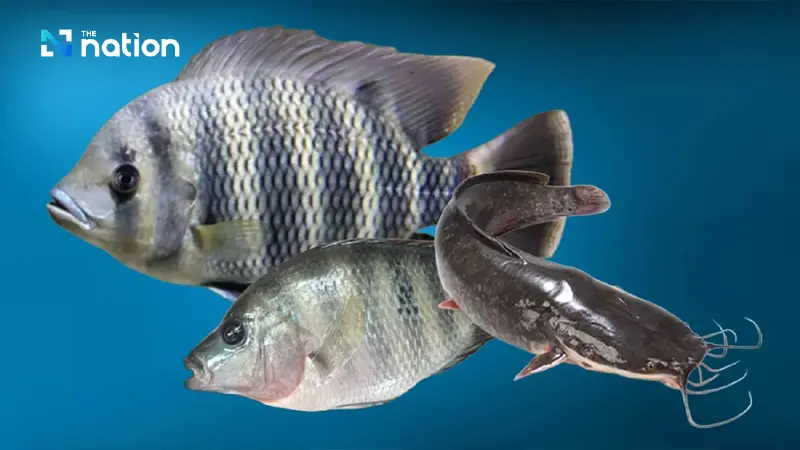


An environmental expert warns that the rapid spread of alien species is driven largely by illegal imports, a critical loophole that allows non-native aquatic animals to escape into natural waterways.
Environmental experts have raised alarms over the growing problem of illegal imports of non-native aquatic species, warning that Thailand is facing a surge in alien species escaping into natural waterways and spreading at a pace that is increasingly damaging local ecosystems.
They stress that illegal imports remain the biggest loophole driving the crisis, one that the state must close at the source rather than continuing to respond only after outbreaks occur.
Recent reports show that several non-native fish species, including butter cichlids, Mayan cichlids, sucker fish and arowana, have been found in multiple water bodies nationwide over recent months. Although the Department of Fisheries has introduced urgent control measures, officials admit that manpower limitations make it difficult to enforce proper surveillance across all regions.
Chaiphak Janwilai, president of the “Voices from the Forest” network, explained that scientifically, alien species refer to any non-native plants or animals introduced into an area. While many are imported legally for research or economic purposes, the most severe impacts on natural ecosystems stem primarily from illegal imports, he said.
“Field data clearly show that illegal importation is the core of the problem. Without proper inspection processes, there is no record of origin or holding locations. Once these species escape or are released, they reproduce rapidly,” Chaiphak said, adding that the Department of Fisheries faces an overwhelming task similar to drug-suppression efforts, requiring cooperation from multiple agencies.
The network’s assessments indicate that up to 50% of alien aquatic species found have no import documentation, strongly suggesting illicit entry. Chaiphak said this is a serious warning sign that the government must urgently address by tightening controls and closing regulatory gaps.
Addressing an issue currently trending online, the so-called black chin tilapia, Chaiphak noted that much of the information circulating is inaccurate. Contrary to claims that it is a predatory threat, scientific evidence and FAO reports show that the species is not a hunter but belongs to the Cichlidae family, feeding mainly on organic detritus, algae and plankton.
“The teeth and digestive system of the black chin tilapia are not those of a predator. They function more like filter-feeders and decomposers, often playing a role in brackish or polluted ecosystems,” he said, urging the public to rely on scientific data when discussing ecological issues.
Experts emphasise that long-term solutions must begin with stricter controls and complete traceability for all aquatic imports and exports, as well as expanded tools and personnel for the Department of Fisheries to strengthen nationwide monitoring.
Chaiphak warned that despite the economic value of certain alien species, Thailand’s biodiversity faces long-term, potentially irreversible damage if illegal imports continue unchecked.
“Managing the problem at its origin is the most essential step we must take now,” he said.
