
Japan ruling, opposition parties split over inflation relief
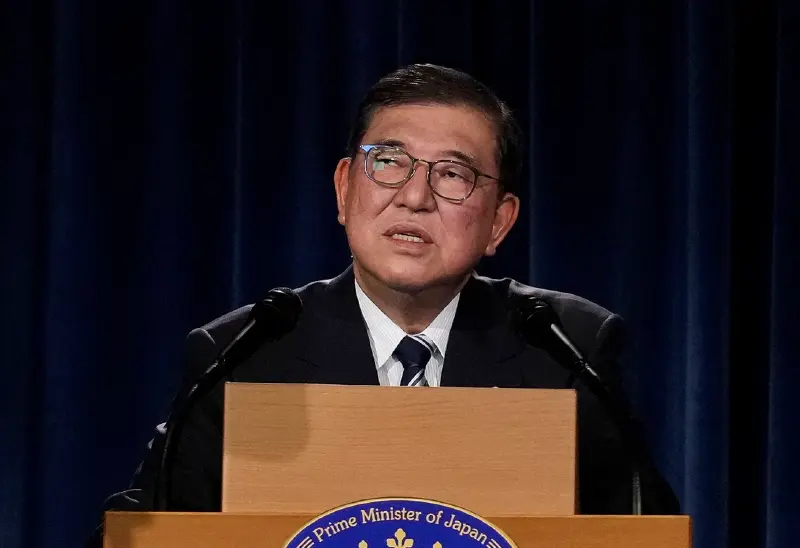


Leaders of Japan's ruling coalition called for cash handouts to cushion the impact of higher prices on households. At the same time, those of the opposition parties sought a consumption tax cut during a televised debate on Tuesday.
The debate took place ahead of the July 20 election for the House of Councillors, the upper chamber of parliament.
Prime Minister Shigeru Ishiba, who leads the governing Liberal Democratic Party, touted the ruling bloc's proposal to provide 20,000 yen to 40,000 yen in benefits per person, saying this will serve as a "quick and intensive" relief measure.
The cash handout program will not tap into the financial resources set aside for social security measures, Ishiba said, warning against opposition calls for a consumption tax cut.
Tetsuo Saito, leader of Komeito, the LDP's coalition partner, said that revenues from the consumption tax finance social security measures and the levy "should not be used for temporary inflation relief."
Yoshihiko Noda, leader of the main opposition Constitutional Democratic Party of Japan, which pledged to make food exempt from the consumption tax temporarily, said the exemption would not take effect at least until next April if it is enacted.
Noda called for a blanket handout of 20,000 yen per person to reduce the impact of higher food prices.
Hirofumi Yoshimura, leader of Nippon Ishin no Kai (Japan Innovation Party), said that food should be exempt from the consumption tax for two years. He also pledged to lower social insurance premiums.
Yuichiro Tamaki, leader of the Democratic Party for the People, called for a temporary cut in the consumption tax rate to 5 per cent from the current 10 % and an income tax reduction.
Japanese Communist Party chief Tomoko Tamura also advocated a consumption tax rate reduction to 5 per cent.
Taro Yamamoto, leader of Reiwa Shinsengumi, proposed stimulating consumption through cash handouts and tax cuts. Sanseito leader Sohei Kamiya proposed a gradual abolition of the consumption tax.

[Copyright The Jiji Press, Ltd.]
Photo by Reuters
