
Trump hits H-1B visas with $100k blow to global talent
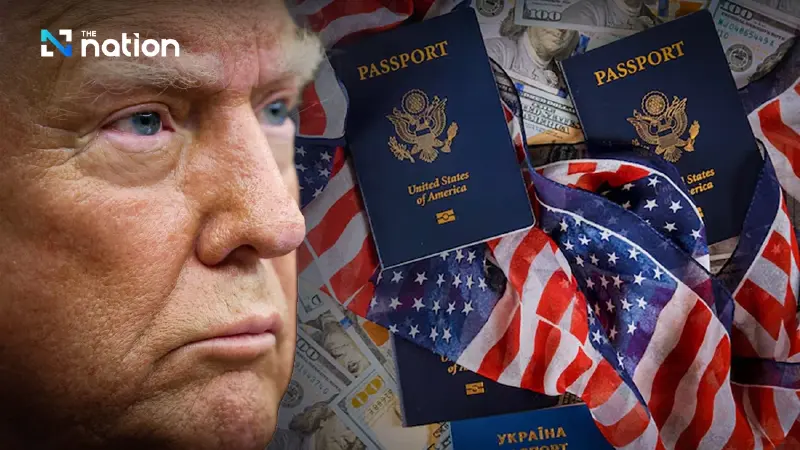


The Trump administration announced on Friday ( September 20) a plan to impose a fee of $100,000 per year on companies hiring foreign workers through the H-1B visa programme, a move expected to hit the technology sector that depends heavily on talent from India and China.
Since returning to office in January, Trump has advanced a sweeping immigration crackdown, with the H-1B overhaul marking his most prominent attempt to reshape temporary work visas.
“If you’re going to train someone, train recent graduates from our universities. Train Americans. Stop bringing in people to take our jobs,” Commerce Secretary Howard Lutnick declared.
The proposal has set up a clash with the tech industry, which contributed significantly to Trump’s campaign. Critics of the programme argue it suppresses wages and sidelines U.S. workers, while backers, including Tesla CEO Elon Musk, who once held an H-1B visa himself, say it supplies essential skills that keep firms competitive.
Trump signed an executive order on Friday formalising the new policy. The order cited evidence that employers had used the programme to undercut salaries, noting that foreign-born STEM workers more than doubled between 2000 and 2019, even as total STEM jobs grew just 44.5%.
Innovation at risk
The new fee structure could add millions in costs for employers, hitting start-ups and smaller tech firms especially hard. “It creates a disincentive to bring in the world’s brightest minds,” said Deedy Das of Menlo Ventures. Analysts warned the change may push companies to move high-value work abroad, undermining the U.S. in its race with China on artificial intelligence.
“In the short term, Washington may cash in; in the long run, America risks taxing away its innovation edge,” said Jeremy Goldman of eMarketer.
Heavy reliance on India
India remains the largest source of H-1B workers, making up 71% of approvals last year. China followed at 11.7%. In early 2025, Amazon and AWS secured over 12,000 approvals, while Microsoft and Meta each received more than 5,000.
Lutnick insisted major corporations supported the new rules. “All the big companies are on board,” he claimed. However, most firms, along with the Indian and Chinese embassies, declined to comment. Shares of Cognizant dropped nearly 5% on Friday, while Infosys and Wipro also fell between 2% and 5%.
Legal questions and alternatives
Immigration experts questioned whether the administration had the authority to impose such steep fees. “Congress has only allowed the government to set fees to cover application costs,” said Aaron Reichlin-Melnick of the American Immigration Council.
The H-1B system currently allocates 65,000 visas annually, plus 20,000 for those with advanced degrees. At present, employers pay only a few thousand dollars in total fees for each visa, typically valid for three to six years.
In a separate measure, Trump also unveiled a “gold card” residency option, offering permanent status to anyone able to pay $1 million.
Reuters
