
Congress approves deal to end US government shutdown
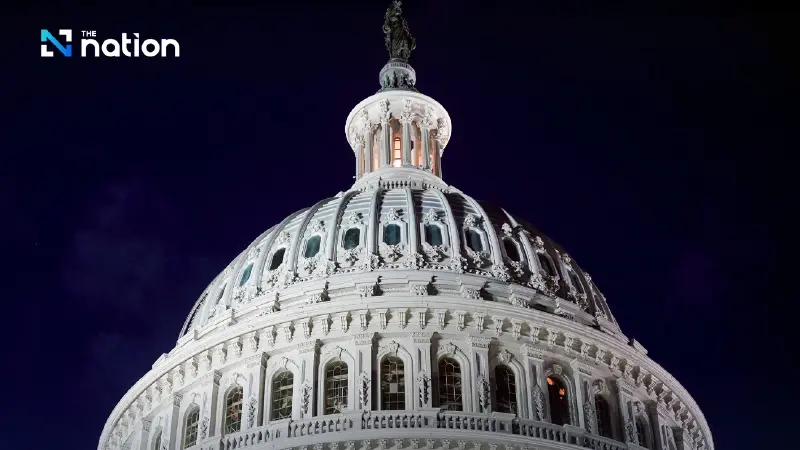


Congress passed a deal on Wednesday ( November 12) to end the longest government shutdown in US history, following a vote in the House of Representatives. The agreement aims to restore food assistance programs, pay federal workers, and revive a disrupted air traffic control system.
The Republican-controlled House approved the bill with a vote of 222-209, with President Donald Trump's backing helping maintain party unity, despite strong opposition from House Democrats. The Democrats expressed frustration that a prolonged standoff led by their Senate colleagues failed to secure a deal for extending federal health insurance subsidies.
The Senate had already passed the bill, and the White House confirmed that President Trump would sign it into law later on Wednesday, officially ending the shutdown. The deal extends funding through January 30, 2026, and is expected to add about US$1.8 trillion to the nation’s US$38 trillion debt.
Republican Representative David Schweikert of Arizona described the shutdown as a "Seinfeld episode," saying, “We just spent 40 days and I still don’t know what the plotline was.” He had expected a brief, 48-hour dispute but was surprised by the lengthy standoff.
Healthcare Subsidies Still Uncertain
Despite the passage of the deal, healthcare subsidies remain uncertain. The bill sets up a vote in December on extending these subsidies in the Senate, but Speaker Mike Johnson made no similar promises in the House.
Democratic Representative Mikie Sherrill, who will resign next week after being elected as New Jersey's next governor, strongly opposed the bill in her final speech on the House floor. She urged her colleagues not to let the House become a "ceremonial red stamp" for an administration that cuts food assistance and healthcare.
No Clear Winner in the Shutdown
While the shutdown is over, neither party seems to have emerged victorious. A Reuters/Ipsos poll found that 50% of Americans blamed Republicans for the shutdown, while 47% blamed Democrats. The shutdown was also tied to the Republican-controlled House's return from a long recess, which had been intended to pressure Democrats.
Additionally, the House is now facing a vote on releasing unclassified records related to Jeffrey Epstein, the late convicted sex offender. Speaker Johnson and Trump have resisted this release, but Democratic Representative Adelita Grijalva’s election has now enabled a push for a vote on the issue.
The funding bill also includes provisions allowing eight Republican senators to seek damages for alleged privacy violations related to the investigation of the January 6, 2021, attack on the US Capitol by Trump supporters. It retroactively makes it illegal to obtain a senator’s phone records without disclosure, enabling those affected to sue for damages.
Reuters
