
Lights, camera, action: China's livestream shopping craze breeds competition, professionalism


Just months after beginning her full-time career as a livestream sales host, Zhang Jinyu, a former model and blogger with a Master's degree in fashion management has already clocked hundreds of hours of broadcasting time and worked with luxury brands like YSL Beauty.
A day in the life of a live-streaming host like Zhang can include more than six hours of talking almost non-stop, not including time spent on hair, make-up, and additional hours for post-broadcast debriefs with her crew.
"I like performance, I like the camera, I like expression. I hope to stand in front of the camera every day," said the 28-year-old host.
In spite of the workload, Zhang is one of the millions of young Chinese people attempting to break through to become livestream sales success stories on platforms such as Alibaba's Tmall and Taobao and Bytedance's Douyin - TikTok's Chinese sister site.
While super hosts who promote everything from toilet paper to home appliances at large discounts remain powerful as they dominate about half of live streaming sales on Alibaba's platforms, niche influencers like Zhang stand out with their ability to sell premium goods at their original prices.
"Especially for the international brands we serve, we pay more attention to the daily sales. We are basically maintaining our strategy of normalising the original price as the selling price," said Livestream agency Romomo Vice President Shining Li.
Beyond just the act of promoting products on camera, live stream hosts have their work cut out for them at a time when consumers have become more discerning about their purchases.
“As long as you can communicate well… you become almost like friends. Only then will they build that trust with you. And that relationship will encourage the consumer to arrive at a transaction, said another livestream host Shi Jianing.
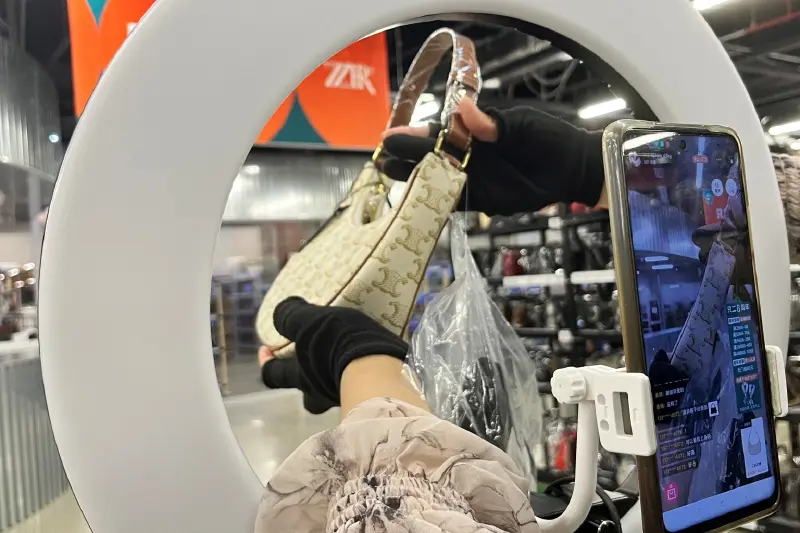
With the convenience of online shopping also comes impulse-buying behaviour, a challenge that second-hand luxury goods marketplace ZZER has had to face after viewers on a third-party livestream platform placed orders without a proper understanding of the items they purchased.

The company later cut its use of third-party platforms, keeping the live streaming service to its own app. Since then, their goods-return rate has dropped from 40 % to 5 % in three months.
“By doing well in aspects such as product introduction, instead of paying too much attention to the recommendations made by live broadcasters that create sales volume, it helps," said Zhu Tainiqi, founder of ZZER.
Livestreaming generated $480 billion worth of sales in China last year, a figure that is likely to jump 30% this year, says research firm eMarketer, showing the industry's resilience even in a difficult economy.
With the industry already employing 1.23 million hosts as of 2020 according to iResearch, the industry is expected to become more competitive as livestreamers vie for eyeballs.
Rita Huang, who spends at least an hour every day going through live streams, said: "I have even watched some live broadcasts using dance moves to sell goods, and I find it very interesting. Those new things will make me place an order.”
Reuters
