
Huawei eyes 250% jump in consumer trade


Play
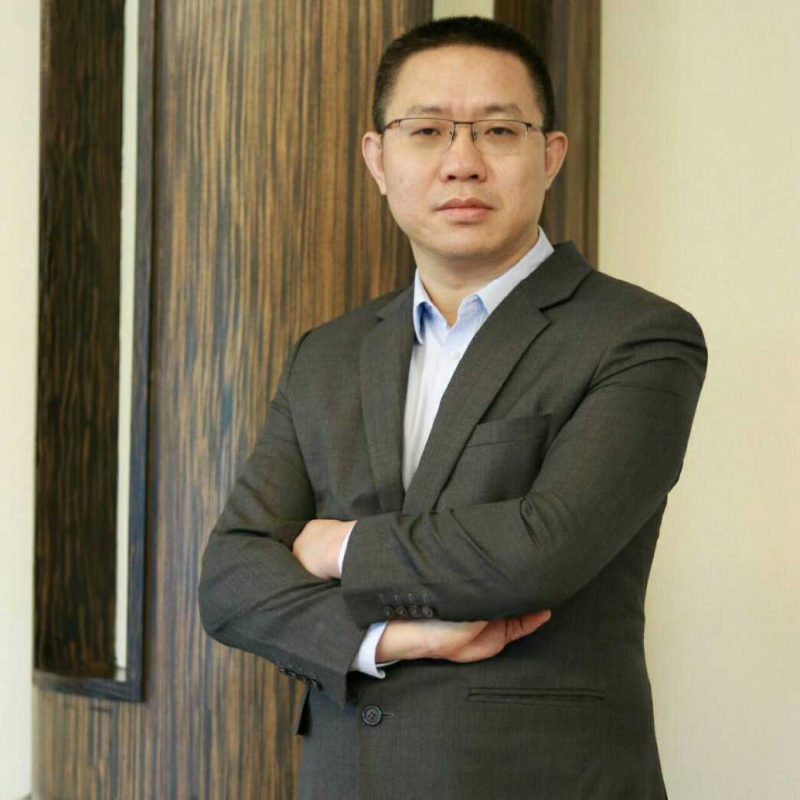
THANKS to a big rise in mobile-handset sales, Chinese telecommunications and technology company Huawei expects revenue from its consumer-products segment to grow by 250 per cent to US$100 million (Bt3.5 billion) in Thailand this year, said Wang Yifan, Hua
Huawei Technologies (Thailand) operates in three business segments – consumer products, enterprise business and the carrier segment. The consumer segment will post the highest growth this year, while the enterprise segment will grow by 50 per cent. Overall revenue growth is targeted at 20 per cent.
Wang did not provide a growth estimate for the carrier segment, which supplies equipment to telecom companies.
Thailand ranks third among the 12 markets in Asia outside mainland China that generate the most revenue for the company. No 1 is India.
Wang said Huawei had been focusing more on the market for high-end mobile phones, especially its P9 smartphone, which is expected to increase the company’s market share.
Huawei is expected to secure at least 5 per cent of the total mobile-phone market share in Thailand this year, as it already holds 4 per cent. Wang expects the company to have 10 per cent of the Thai mobile-phone market within two years, many of them high-end models.
He said the company had budgeted $2 million to set up another 10 mobile-phone customer service centres nationwide, bringing the total to 13 by the end of this year.
Last week, Huawei participated in the “Startup Thailand Pitching Grand Challenge” in Phuket, which was held in line with the “Startup Thailand & Digital Thailand 2016” initiative of the ministries of Science and Technology and Information and Communications (since renamed the Ministry of Digital Economy and Society).
The Startup Thailand Pitching competitions have also been held in Bangkok, Chiang Mai and Khon Kaen. In each of those events, Huawei awarded a grand prize of a three-day “technology innovation trip” to the company’s headquarters in Shenzhen, China.
A total of 15 teams from Thailand will the join the trip to China. The company spent Bt5 million on the project.
The competition was held to encourage the creation of scientific, innovative and technological start-ups and to emphasise the important role that small, young enterprises could play to help Thailand become the digital hub of Asean, Huawei says.
Huawei recently inaugurated a Customer Solution Innovation and Integration Experience Centre and a new Training Centre in Bangkok. These two state-of-the-art facilities are open to information and communications technology entrepreneurs and could be instrumental in teaching young minds how to create, validate and build ICT solutions and applications, it says.
“Huawei also has plans to launch the first open lab in Thailand, to accelerate innovation and the industry’s ecosystem. This will drive innovations including the Internet of Things, cloud computing and big data, in order to build safer and smarter cities,” Wang said.
