
Srettha Thavisin’s economic vision for Thailand published in Financial Times
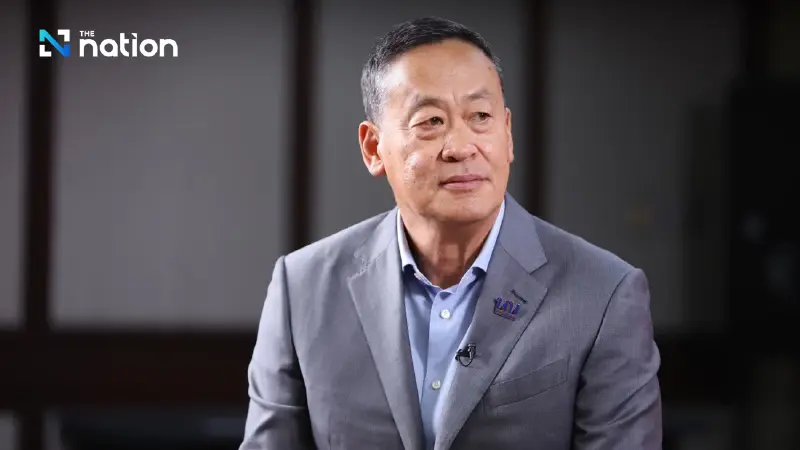


Former Prime Minister Srettha Thavisin’s proposal for Thailand’s economic recovery was featured in the Financial Times, gaining international recognition for his approach to tackling the country’s challenges.
Srettha Thavisin, former Prime Minister of Thailand and founder of Sansiri, received international attention when his insights into Thailand’s economic recovery were published in the Financial Times on February 11, 2026. In the article, titled “A former PM offers a cure for Thailand’s economic ills”, Srettha outlined his vision for revitalising the Thai economy.
Srettha agreed with the Financial Times' diagnosis of Thailand’s economic struggles but suggested that the proposed solutions missed key opportunities for long-term growth. He emphasised that to restore consumer confidence, Thailand must break the vicious cycle of household debt, which has plagued the economy for years.
In his proposal, Srettha argued that past stimulus measures, such as cheque handouts, had been ineffective because they did not address the root causes of the debt crisis. Instead, he called for a “big reset”—using asset management companies to buy up non-performing loans (NPLs), which would allow indebted households breathing space and help stimulate domestic consumption once again.

Infrastructure and regulation for future growth
Srettha also highlighted the need for a comprehensive two-pronged infrastructure strategy to boost Thailand’s place in the global economy. His vision included developing hard infrastructure, such as a north-south railway system and a land bridge linking the Andaman Sea to the Gulf of Thailand, which would enhance trade flows significantly.
Furthermore, he advocated for updating regulatory frameworks, particularly in green energy, by introducing direct power purchase agreements. This, he argued, would enable global investors to buy green energy directly and overcome barriers related to environmental, social, and governance (ESG) criteria, creating opportunities for technology companies to invest in Thailand’s growing clean energy sector.
Srettha also mentioned Thailand’s “go cloud first” policy, which has already helped secure investments in data centres and semiconductors—sectors poised to drive an AI-powered productivity boom in the country.
A shift in tourism and business climate
On tourism, Srettha pointed out that Thailand should focus on quality, not just quantity, urging the country to evolve its tourism industry beyond its reputation for beaches. He believed that a more diversified leisure sector could help reverse the downturn in tourism numbers.
Finally, he stressed the importance of improving the ease of doing business in Thailand. This, he said, is a long-term issue, but necessary steps must begin now to make the country more investor-friendly.
Despite the challenges, Srettha remained optimistic, noting that Thailand still possesses strengths in affordability, climate, tourism, food, medical services, and wellness. With the right reforms, he believed Thailand could regain its place as a crucial partner in the global economy, transforming the “sick man” into a thriving economy once again.
