
Fuel prices to rise from March 18 as diesel and petrol adjusted
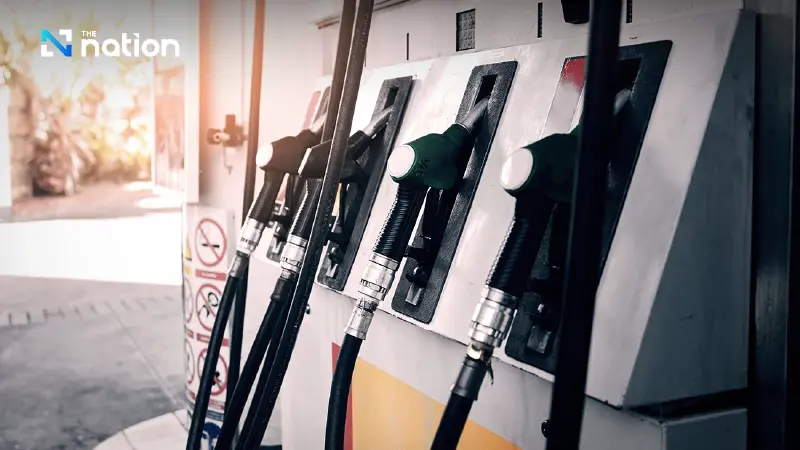


Fuel prices are set to rise from March 18, with diesel increasing by 50 satang a litre and petrol by Bt1, while E20 will be cut by 79 satang a litre.
Energy Minister Auttapol Rerkpiboon said after a meeting of the Joint Management and Monitoring Centre for the Situation in the Middle East that the government had been closely monitoring global energy prices and found that continued increases had made it necessary to adjust domestic oil prices after they had been capped for a full 15 days, effective Wednesday (March 18).
For diesel, the government will raise the price cap from no more than 30 baht per litre to 33 baht per litre, a ceiling similar to those of neighbouring countries such as Malaysia.
However, the adjustment will be implemented gradually, with the first increase of 50 satang per litre taking effect on March 18.
As for petrol prices, gasohol 91 and 95 will both be increased by 1 baht per litre, while E20 will be reduced by 79 satang per litre, making it 5 baht per litre cheaper than standard petrol. The government is therefore encouraging the public to switch to E20 more widely.
The price of E85 will meanwhile be reduced by 2 baht per litre.

Auttapol said that the 50-satang increase in diesel prices would help reduce losses incurred by the Oil Fuel Fund by about 35 million baht per day.
He added that requiring the reporting of ex-refinery and oil depot prices would allow authorities to monitor volumes and prices throughout the supply chain right up to consumers.

Auttapol also asked the public not to panic over the situation, stressing that Thailand still had sufficient oil reserves and that efforts were under way to resolve transport problems.
However, he noted that current fuel demand from motorists was running far above normal. He said that if people could help conserve fuel, it would extend the use of existing reserves and also save money in their own pockets.
