
Anutin apologises over fuel turmoil, unveils broader energy relief plan
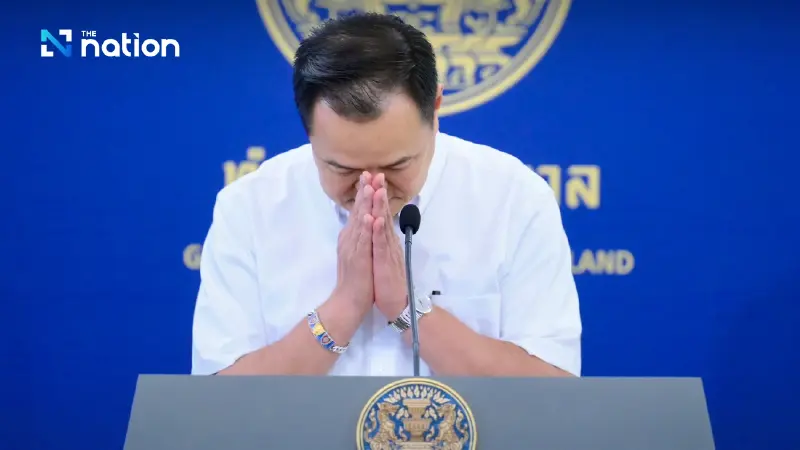


PM Anutin apologised for fuel price volatility, admitted the government misjudged the conflict and outlined new energy, subsidy and cost-of-living measures.
PM apologises over fuel price volatility
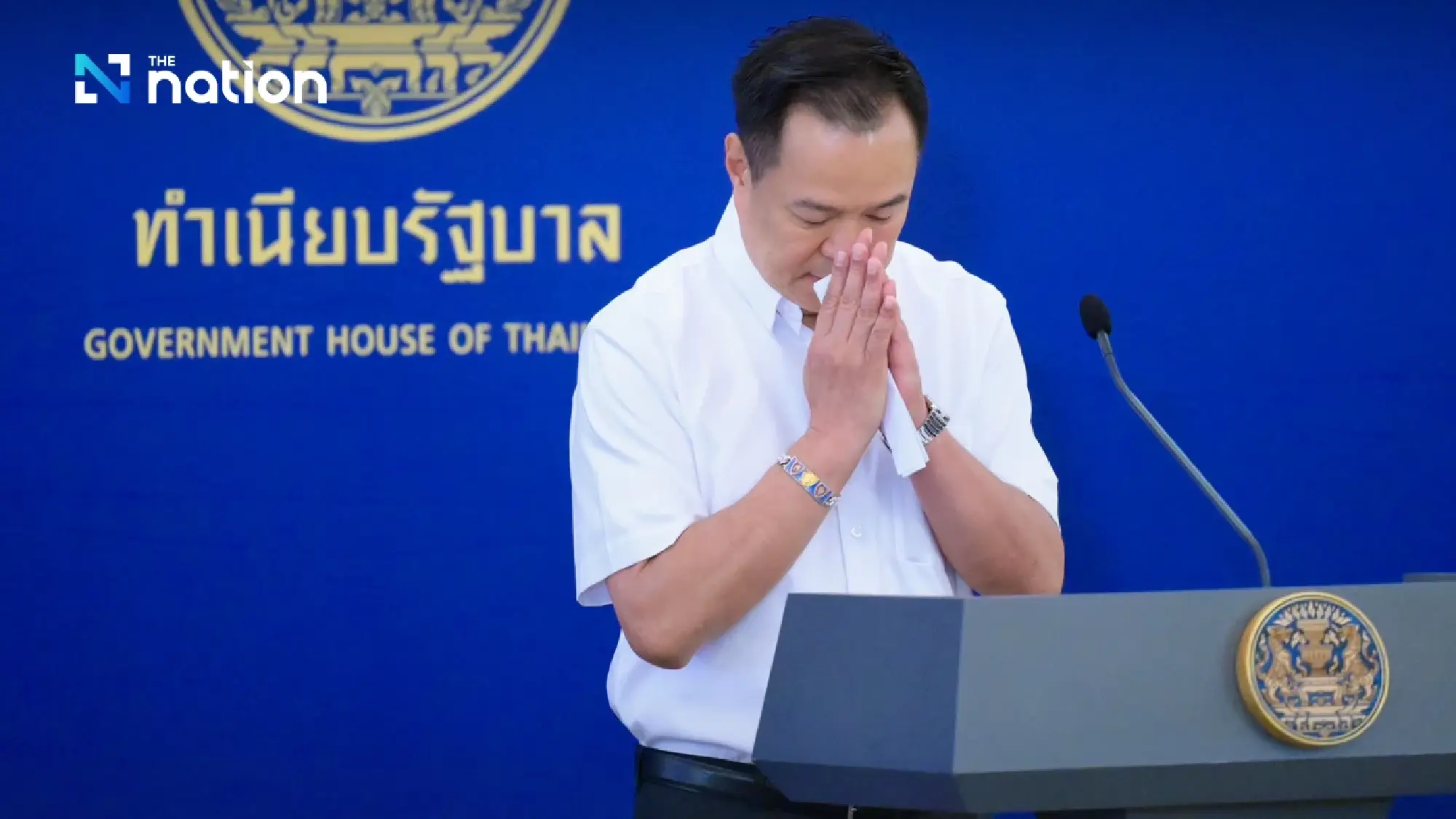
Prime Minister Anutin Charnvirakul on Friday apologised to the public over fuel price volatility in the first half of March, admitting that the government had misjudged the situation as it initially expected the international conflict to ease in the short term.
Speaking at a Meet the Press session at Government House titled “One month of global crisis: Thailand’s response in a changed world”, Anutin said the government had chosen to maintain price support measures during the first 15 days of the month in an effort to soften the impact on the public, particularly farmers and the transport sector.
However, with the conflict dragging on longer than expected and no clear end in sight, he said the government had been forced to accelerate a major overhaul of its energy policy, including fuel stock management, subsidies and cost-of-living relief.
“I must apologise to the people for the turmoil caused by the management of oil prices,” Anutin said, while stressing that protecting vulnerable groups remained the government’s top priority.
Government shifts strategy as crisis proves longer than expected
Anutin said the administration had initially assessed that the fighting would not last long, but had since had to adjust its approach to reflect a more prolonged crisis.
He said the government would focus on measures to cushion the impact on low-income groups and sectors hit hardest by higher energy costs, including agriculture, transport, fisheries and industry.
The broader response, he said, would combine energy security measures with targeted support to help households cope with rising living expenses.

Oil reserves raised to 100 days
Anutin said the government had stepped up efforts to strengthen Thailand’s energy security as the global crisis intensified.
He said one key development was negotiations with Iran to keep oil transport routes through the Strait of Hormuz operating safely, helping to reduce the risk of major supply disruption.
At the same time, the government has accelerated oil release and replenishment into the system, increased transport cycles and actively managed strategic reserves. As a result, Thailand’s oil reserves have risen from 62 days to 100 days in a short period, which he described as the highest level in several years.
He said the state also had legal authority to manage private-sector reserves if necessary for the public interest.
That new figure marks a notable increase from the roughly 90 to 95 days of reserves officials said Thailand had earlier expected to have available through April under its contingency planning.
Semi-floating pricing introduced to curb leakage
On fuel pricing, Anutin said the government had decided to move away from full subsidies and towards a semi-floating system, allowing domestic prices to more closely reflect global market conditions.
He said the adjustment followed findings that subsidies had at one point reached as high as 24 baht per litre, creating incentives for fuel to be smuggled across borders and sold in neighbouring countries.
Although support has been reduced, he said Thai retail fuel prices still remain lower than those in many countries in the region. The new pricing approach is intended to reduce pressure on the Oil Fuel Fund, close loopholes that encourage cross-border leakage and preserve budget space for further economic relief.
More goods to come under price controls
To help offset the impact of higher energy prices on consumers, Anutin said the Commerce Ministry was preparing to expand the list of controlled goods from 66 items to 76.
He added that the Thong Fah and Thai Chuay Thai programmes would begin on April 1, offering goods at prices up to 25% below normal market rates in an effort to reduce pressure on household budgets.
‘One family, one litre’ campaign launched
Anutin also called on the public to join an energy-saving drive under the slogan “one family, one litre”.
He said that if 10 million households cut oil use by just one litre a day, Thailand could reduce oil imports by up to 10 million litres daily.
According to the prime minister, that would cut the government’s subsidy burden by more than 200 million baht a day, while reducing household spending by more than 400 million baht daily.
He added that governors in all 77 provinces had been instructed to prepare plans to manage fuel demand during the Songkran holiday period and prevent local shortages.
Cabinet list nearly complete
On the political front, Anutin said the coalition’s Cabinet list had now been completed and was undergoing final qualification checks, with submission for royal endorsement expected next week.
He said the new government would then move quickly to deliver its policy statement to Parliament, adding that continuity should be smooth because many ministers were returning from the previous administration.
Background: 6-baht fuel price rise last week
Thailand raised retail fuel prices by 6 baht per litre from March 26 after the Oil Fuel Fund Management Committee approved cuts to subsidies for both diesel and petrol, citing surging global oil prices and growing pressure on the fund’s finances. Officials had earlier said the government would hold diesel at 29.94 baht a litre for 15 days before reassessing the situation as the Middle East conflict worsened.
