
BOT warns 400bn-baht loan plan could push public debt near ceiling


The Bank of Thailand says the 400-billion-baht borrowing plan could lift GDP this year but push public debt close to the 70% ceiling within two years.
Borrowing plan may boost growth but raise fiscal risk
The Bank of Thailand has warned that the government’s 400-billion-baht emergency borrowing plan could help lift economic growth this year but may push public debt close to the 70% of GDP ceiling within two years, sharply reducing fiscal space for future crises.
Speaking at the first Monetary Policy Forum of 2026, senior BOT officials said the loan decree, designed to tackle the energy and cost-of-living crises, would provide short-term support to the economy. However, they cautioned that the additional borrowing must be used efficiently and targeted at those most affected.
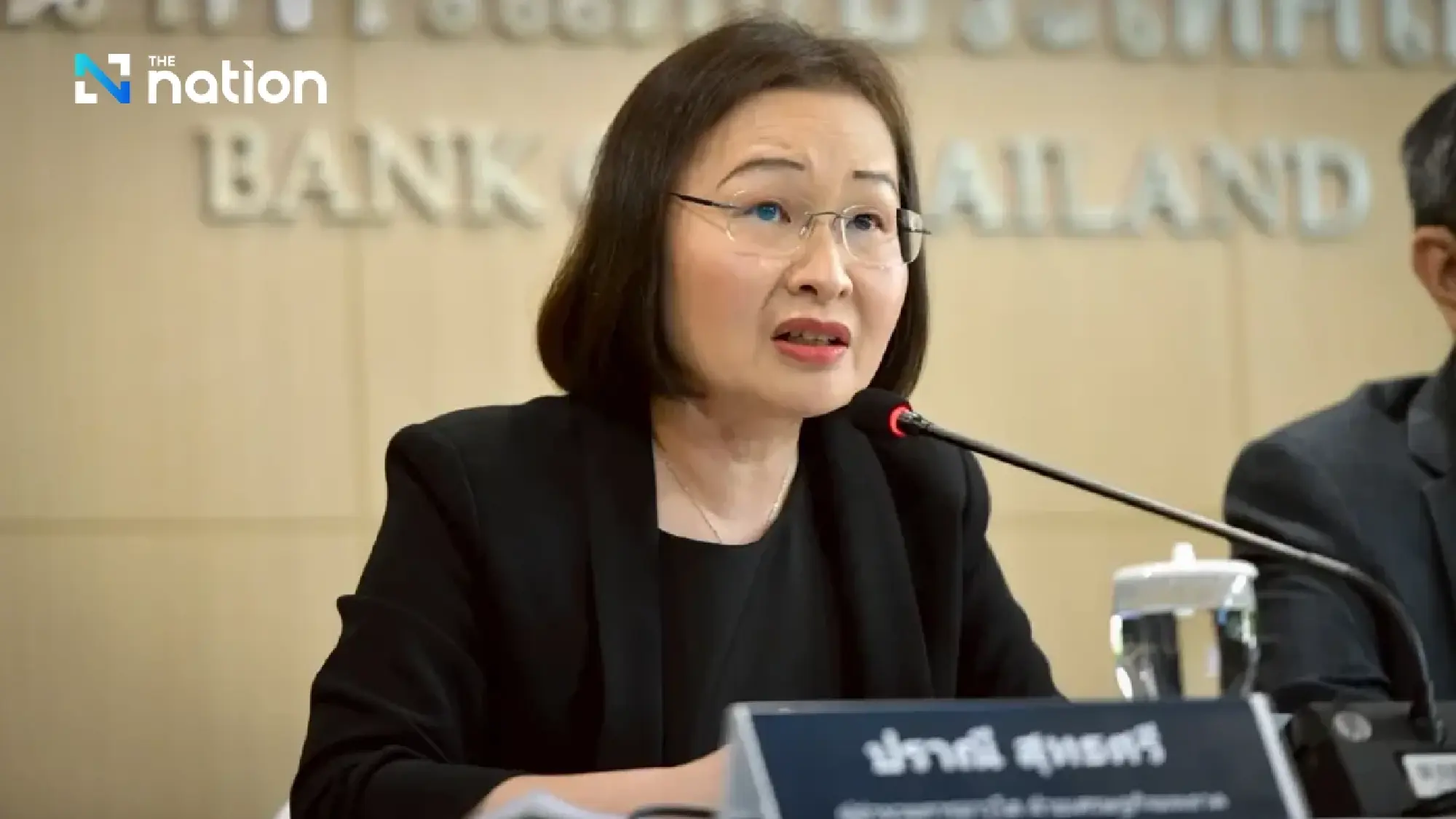
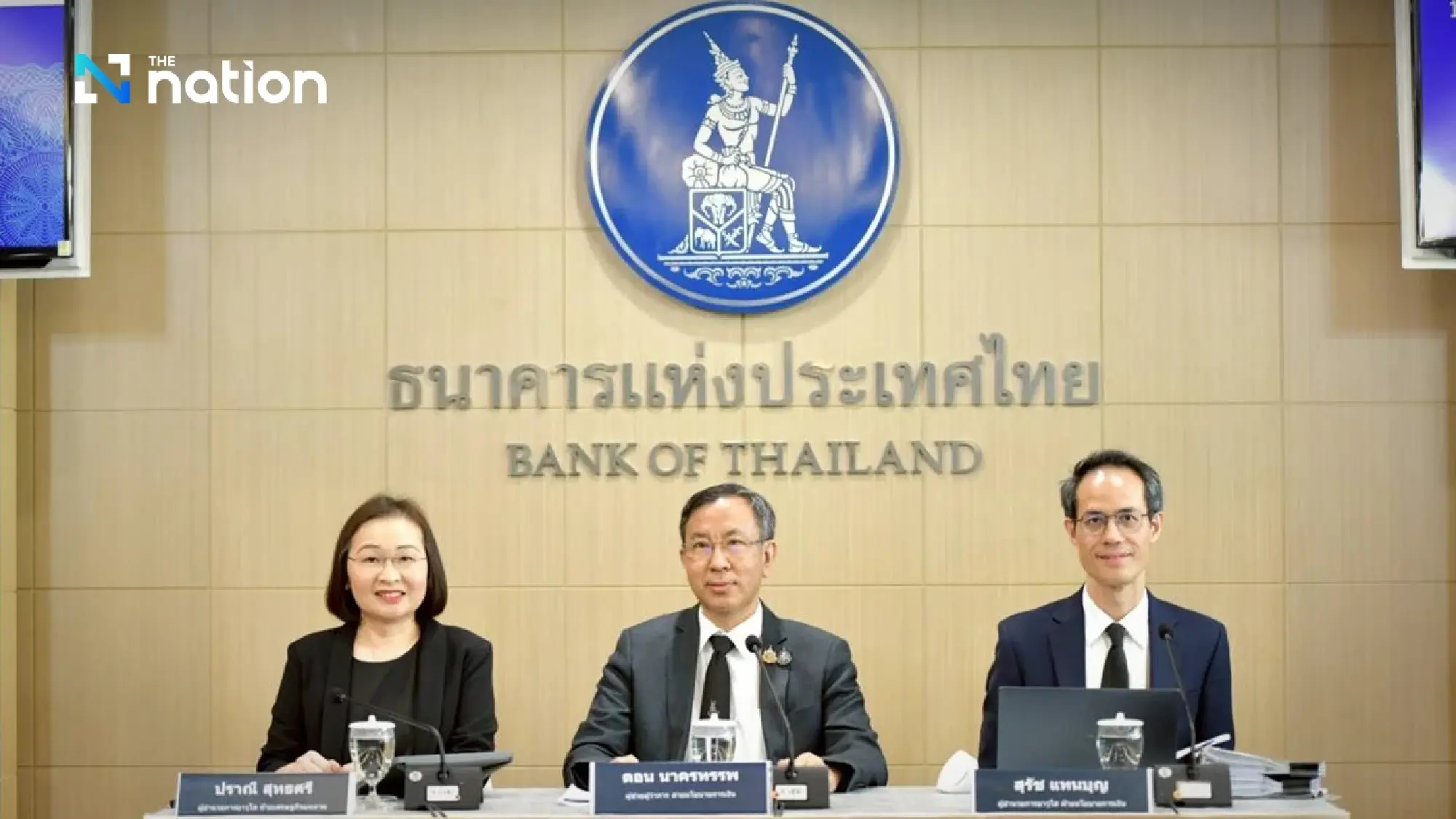
Pranee Sutthasri, senior director of the BOT’s Macroeconomic Department, said the 400-billion-baht emergency loan decree was expected to add 0.6 percentage point to GDP growth this year, from a baseline forecast of 1.5%.
She said the first 200 billion baht in borrowing had already factored in the impact of the Thai Chuay Thai Plus scheme and the Khon La Khrueng Plus co-payment programme.

Public debt could approach 70% ceiling
However, the Monetary Policy Committee is concerned that the new borrowing could push Thailand’s public debt close to the 70% of GDP ceiling over the next two years.
The BOT said this would leave the government with much less room to use fiscal policy if the economy faces unexpected shocks in the future.
Officials stressed that spending under the decree must therefore be carefully prioritised, efficient and directed at specific target groups, rather than spread too broadly.

Inflation expected to rise temporarily
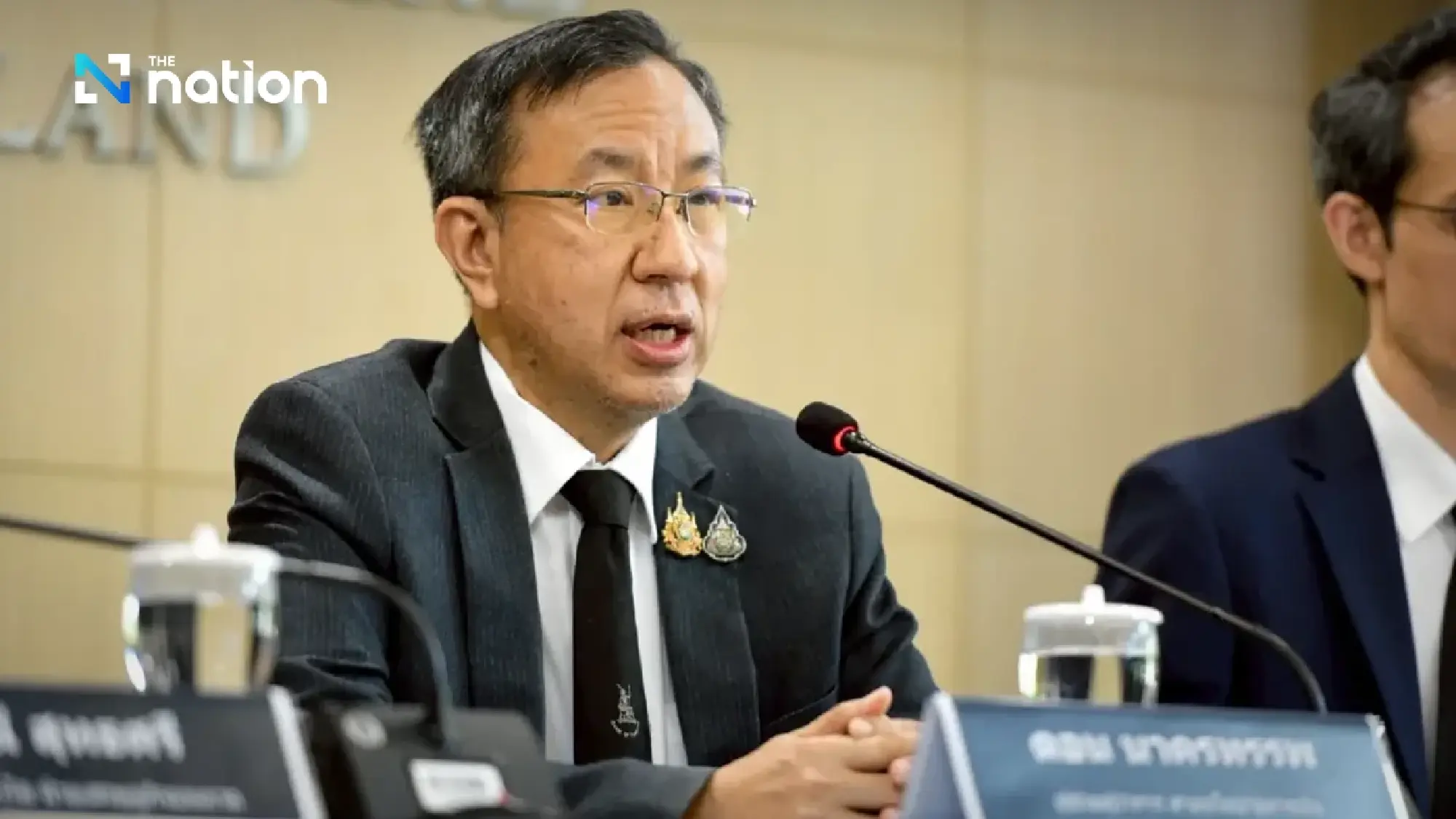
Don Nakornthab, assistant governor of the BOT’s Monetary Policy Group, said Thailand’s inflation rate was likely to remain high for some time, with headline inflation expected to stay at around 4-5% for the rest of this year.
He said signs of rising inflation had become clearer since April, largely due to energy-related pressures.
However, the central bank believes the increase will be temporary and will not remain elevated for more than a year. The BOT expects headline inflation to average 2.9% this year before slowing to 1.5% in 2027.

BOT sees no stagflation risk
Despite the possibility that inflation could touch 5% while economic growth remains weak, Don said the BOT had not seen signs of stagflation.
He said the current inflation level was still lower than during the Russia-Ukraine war period, when inflation surged to 7-8%.
“In the worst-case scenario, even if the Middle East conflict is prolonged or GDP growth falls below 1%, it would still not be considered stagflation as long as inflation expectations remain anchored,” Don said.
Policy rate seen as appropriate at 1%
On monetary policy, the BOT said the current policy rate of 1% remained appropriate and consistent with Thailand’s economic conditions.
Don said Thailand was in a position to wait longer than many other central banks before raising interest rates because inflation had started from below the target range.
However, he acknowledged that the 1% rate was already relatively low and close to the limits of what monetary policy could do. Supporting the economy from now on would therefore require fiscal policy and structural reforms to work alongside monetary policy.

Surach Tanboon, senior director of the BOT’s Monetary Policy Department, said headline inflation was likely to remain above the 1-3% target range for another three to four quarters, in line with energy prices.
However, he said the BOT did not expect a second-round effect, as household purchasing power remained weak. Thailand’s labour market structure also made a wage-price spiral unlikely, while medium-term inflation expectations remained anchored within the target range.
Exports and tourism remain key engines
The BOT expects Thai export value to grow by 8.1% this year, driven partly by technology products linked to demand from data centres. Export growth is expected to slow in 2027 due to a high base.
Tourism will also remain a major growth engine, with the BOT forecasting 33 million foreign tourist arrivals this year, rising to 35.5 million next year.
On the currency front, the baht has weakened by just over 2% since the beginning of 2026, a level the BOT still considers normal.
