
Thailand pivots to targeted aid, green investment as it readies IMF meet
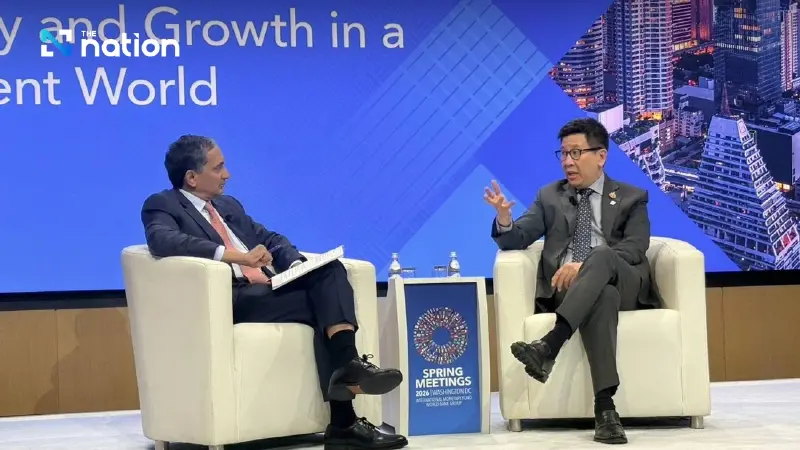


Finance Minister Ekniti says Thailand will shift to targeted fiscal support and long-term green and digital investment ahead of hosting IMF–World Bank meetings in Bangkok.
Thailand is pivoting away from broad-based subsidies towards targeted support and long-term investment, Finance Minister Ekniti Nitithanprapas said, as the country prepares to host the IMF–World Bank Annual Meetings in Bangkok this October.
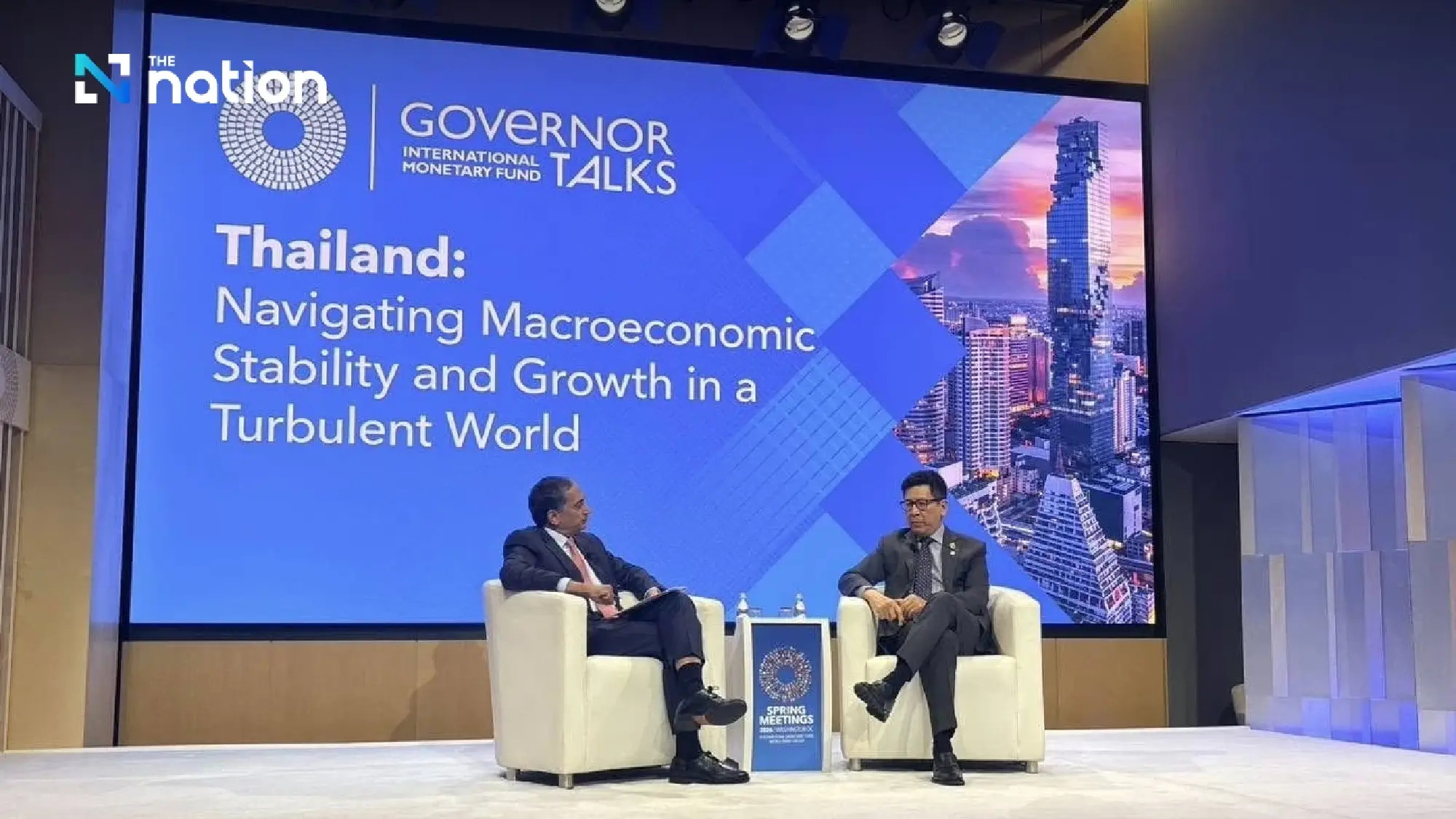
Speaking at the IMF Governor Talks during the Spring Meetings in Washington, DC, Ekniti signalled a clear shift in economic strategy — from short-term relief measures to building resilience through green, digital and infrastructure investment.
Thailand signals policy shift from subsidies to strategic investment
Ekniti said future fiscal policy would move away from blanket spending programmes towards targeted assistance for vulnerable groups, while reallocating resources to sectors that can strengthen long-term competitiveness.
The strategy reflects growing pressure on fiscal space, as Thailand faces structural challenges including subdued investment levels, energy price volatility and global geopolitical uncertainty.
“Thailand is repositioning its policy focus — not just to support the present, but to invest in future growth,” he told the forum.
Investment-led strategy at core of economic overhaul
The government has made investment upgrading the centrepiece of its national strategy, with plans to accelerate spending on infrastructure, digital technology and artificial intelligence, alongside human capital development.
At the same time, regulatory reforms — described as a “guillotine” approach to cutting red tape — are being pursued to unlock productivity and attract new investment.

‘4T’ framework to tackle energy and geopolitical risks
To address energy price swings and rising geopolitical risks, the Finance Ministry has introduced a “4T” policy framework:
- Target — focused support for vulnerable groups
- Transition — shifting towards clean energy
- Transformation — restructuring the economy
- Together — mobilising cross-sector cooperation
Under this approach, Thailand will accelerate the development of energy infrastructure, including smart grids, while promoting direct power purchase agreements to support the expansion of renewable energy.
Bangkok to host IMF–World Bank Annual Meetings
Ekniti also formally announced Thailand’s readiness to host the 2026 IMF–World Bank Annual Meetings in Bangkok, positioning the country as a platform for global economic dialogue.
The meeting will be held under the theme “Thailand’s New Horizons: Empowering People, Building Resilience”, with a focus on sustainable growth, the green and digital transition, and strengthening Asean’s role as a key engine of the global economy.
Southeast Asia seen as stabilising force in fragmented world
In his closing remarks, Ekniti said that amid a more fragmented global landscape, Southeast Asia — including Thailand — has the potential to act as a stabilising anchor for the global economy.
The shift in Thailand’s policy direction, he suggested, is aimed at ensuring the country is not only resilient to shocks, but also better positioned to compete in a rapidly changing global environment.
